What a Brake Lining Does and When to Replace It
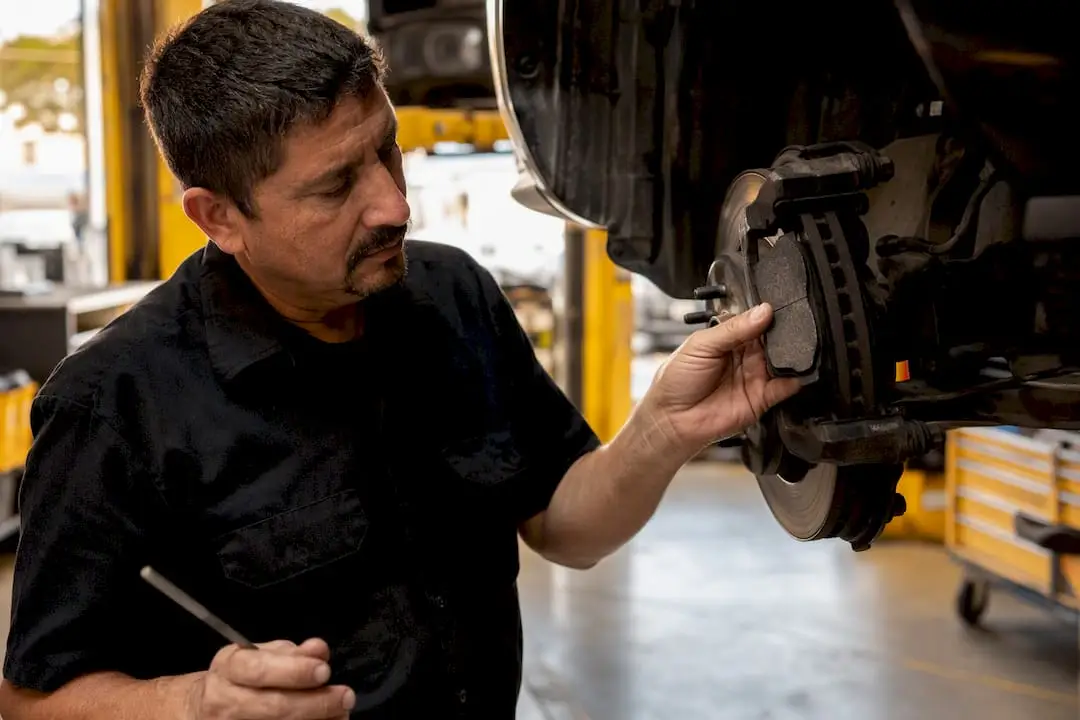
A brake lining is the sacrificial friction material bonded or riveted to a brake shoe or pad that presses against a drum or rotor and turns your vehicle’s motion into heat. Once that lining wears thin, stopping power drops and metal-on-metal contact becomes a real risk to you and everyone on the road with you.
Here’s why that matters right now: your linings are part of the same wear system as your brake pads, and most drivers never look at them until something sounds wrong. Two quick checks tell you a lot before you ever pull a wheel:
- Listen for a squeal or grinding noise when you brake at low speed. That high-pitched sound is often a built-in wear indicator doing its job.
- Feel for vibration in the pedal or steering wheel during braking. A pulse usually means uneven wear, glazing, or a warped surface underneath the lining.
Key Takeaways
Brake linings are the consumable friction material that must stay within safe thickness and stay free of glazing or contamination to deliver reliable stopping power.
| Point | Details |
|---|---|
| Lining vs. pad terminology | A lining is the friction material; a pad is the full disc-brake assembly it’s bonded to, and mixing the terms causes ordering errors. |
| Watch for the big four symptoms | Squealing, grinding, pedal vibration, and longer stopping distances signal it’s time for an inspection. |
| Friction coefficient matters | Standard pad materials run a dynamic μ around 0.35 to 0.42, balancing stopping power against rotor wear. |
| Replace in matched pairs | Always replace linings on both wheels of an axle together to avoid uneven braking and pulling. |
| Get a professional inspection | Kwik Kar Oil Change & Auto Care’s ASE-certified technicians check lining thickness, rotor condition, and contamination together during every visit. |
Table of Contents
- What Is a Brake Lining and How Does It Work?
- Why Did Brake Linings Move Away From Asbestos?
- What Are the Different Types of Brake Linings?
- How Do I Know If My Brake Linings Are Bad?
- How Much Does It Cost to Replace Brake Linings?
- How Do I Choose the Right Brake Lining?
- What Causes Glazing and How Do Technicians Check for It?
- What Owners Get Wrong About Brake Linings
- Get Your Brakes Inspected the Right Way
- Sources
- FAQ
What Is a Brake Lining and How Does It Work?
A brake lining’s job is simple in concept and demanding in practice: clamp against a spinning drum or rotor with enough consistent friction to slow a two-ton vehicle without cooking itself in the process. In a drum brake, the lining is riveted or bonded to a curved shoe that presses outward against the inside of a drum. In a disc brake, the lining is bonded to a steel backing plate, and that whole assembly is what most people call a “pad.” The lining is the friction surface; the pad or shoe is the carrier it rides on.
That terminology mix-up trips up more buyers than you’d think. As the fitment guide from CertiSpares points out, pads belong to disc systems while linings, in the strict engineering sense, describe the friction material on drum shoes. Order the wrong part under the wrong name and you can end up with a shop scrambling to fix a fitment error before your car goes back on the lift.
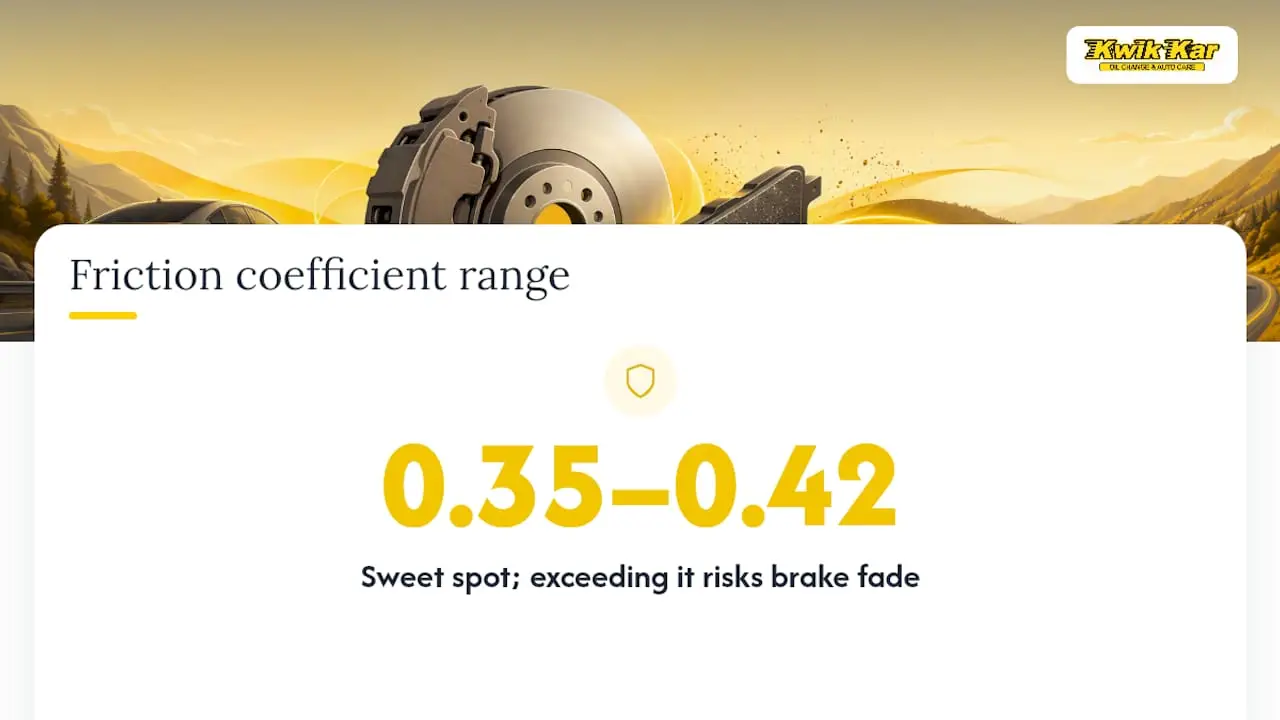
The engineering constant behind all of this is friction coefficient, written as μ. Standard organic and semi-metallic pad materials typically deliver a dynamic μ somewhere in the 0.35 to 0.42 range, which is the sweet spot for predictable stopping without excessive rotor wear. Push past that range with the wrong compound and you risk brake fade, that sinking feeling when the pedal goes soft after repeated hard stops on a long downhill grade.
Why Did Brake Linings Move Away From Asbestos?
Early brake linings used woven cotton and leather, materials that wore out fast and handled heat poorly. Herbert Frood’s development of molded asbestos-based friction material in the early 1900s changed that, giving mechanics a lining that could survive real heat cycles for the first time.
- Early 1900s: Leather and woven fiber linings dominate, wearing quickly and fading under sustained heat.
- 1900s to 1908: Herbert Frood pioneers asbestos-based composite linings, setting the industry standard for decades.
- Mid to late 20th century: Occupational health data links asbestos dust to mesothelioma and other pulmonary disease, and manufacturers shift to aramid fibers, ceramics, and synthetic composites.
Research documented in occupational medicine literature tied prolonged asbestos exposure in brake work to serious lung disease, which is exactly why breathing in brake dust from any era of lining, old or new, is never something to shrug off. Most manufacturers today build asbestos-free linings using aramid fiber, glass, and ceramic compounds instead.
What Are the Different Types of Brake Linings?
Modern linings fall into four broad families, and each one trades off differently between noise, dust, heat tolerance, and how gently it treats your rotors or drums.
- Organic (non-asbestos organic, or NAO): Quiet and easy on rotors, but they wear faster and lose bite under sustained heavy braking.
- Semi-metallic: Blend organic material with copper or steel fibers for stronger heat tolerance and stopping power, at the cost of more brake dust and occasional noise.
- Ceramic: Run cleaner and quieter with less dust, and they hold up well for daily commuting, though they can cost more upfront.
- Aramid/fiber composite: Built for high-heat durability, common in performance and heavy-duty applications where fade resistance matters more than a whisper-quiet stop.
Pro Tip: If you tow a trailer or drive mountain grades often, prioritize heat tolerance over noise and dust control. A lining that fades under sustained braking is a far bigger risk than one that squeaks occasionally.
Old linings, especially anything manufactured before the 1980s, may still contain asbestos fibers. Dispose of removed brake components through a shop equipped to handle that material properly rather than tossing them in household trash, since dust released during improper handling carries the same health risk documented in decades of occupational studies.
How Do I Know If My Brake Linings Are Bad?
The most reliable warning signs are a squeal or metallic grinding when you brake, a pulsing or vibrating pedal, longer stopping distances than usual, and your vehicle pulling to one side. According to GEICO’s maintenance guidance, these five symptoms, squealing, clicking, brake fade, pulling, and pedal vibration, cover nearly every real-world lining failure a driver will notice before a shop inspection confirms it.
A few checks you can do yourself with help from a trusted mobile brake inspection and repair service:
- Look through the wheel spokes. Less than a quarter inch of visible lining material generally means it’s time to schedule service.
- Feel for a soft or spongy pedal combined with a longer stop, which often signals fade rather than a simple hydraulic issue.
- Note any grinding sound, since that usually means the lining has worn down to bare metal and is now contacting the rotor or drum directly.
Not every one of these symptoms points straight to the lining, though. A pulsing pedal can also come from a warped rotor or worn suspension bushing, and a pull to one side sometimes traces back to uneven tire pressure rather than a sticking caliper. If the noise or feel changes after a wash, contamination or glazing is often the culprit, not outright wear.
How Much Does It Cost to Replace Brake Linings?
Brake lining or pad replacement typically runs from a modest per-axle job to a more involved repair, and the price swings mainly on vehicle type, material choice, and what shape your rotors or drums are in. A straightforward pad swap with quality organic or semi-metallic material sits at the lower end. Add rotor resurfacing, ceramic material, or a wear-sensor replacement and the total climbs noticeably. Drum systems that need new shoes and drum machining land toward the higher end of that range, especially on older or heavier vehicles.
A few things reliably push cost up: scored or heavily worn rotors that need resurfacing or full replacement rather than simple cleanup, drum brakes needing hardware kits alongside new shoes, and electrical wear-indicator sensors that must be replaced along with the lining itself.
- DIY is reasonable if you have torque specs, a service manual, and comfort bleeding or adjusting a brake system correctly.
- Professional service is the safer call when you notice grinding, uneven rotor wear, ABS warning lights, or if you’ve never done a full brake job before.
- Always replace linings in matched pairs on the same axle. Uneven friction levels side to side cause pulling and inconsistent stopping, a point confirmed by brake engineering references covering proper service practice.
How Do I Choose the Right Brake Lining?
Matching the right lining starts with your vehicle’s specification, not the cheapest box on the shelf. Manufacturer recommendations, your typical driving style, and warranty terms all factor into a decision that affects both stopping performance and how often you’re back in the shop.
- Match OEM friction specs for your make and model before considering aftermarket alternatives.
- Factor in driving style. Commuters can lean organic or ceramic; towing or mountain driving calls for semi-metallic or aramid composite.
- Check rotor or drum condition first. New linings on damaged rotors accelerate wear and can reintroduce the same vibration problem you just paid to fix.
- Confirm warranty terms on both parts and labor before signing off.
- Verify wear-indicator compatibility, especially on newer vehicles with electronic sensors tied to the dash warning light.
Ask your shop directly: what material are you installing, is rotor or drum work included in the quote, and does the warranty cover parts and labor together? For fleet or multi-vehicle buyers, confirming pad-versus-lining terminology with your supplier upfront, as CertiSpares recommends for commercial procurement, prevents a wrong-part order from delaying a whole vehicle out of service.
What Causes Glazing and How Do Technicians Check for It?
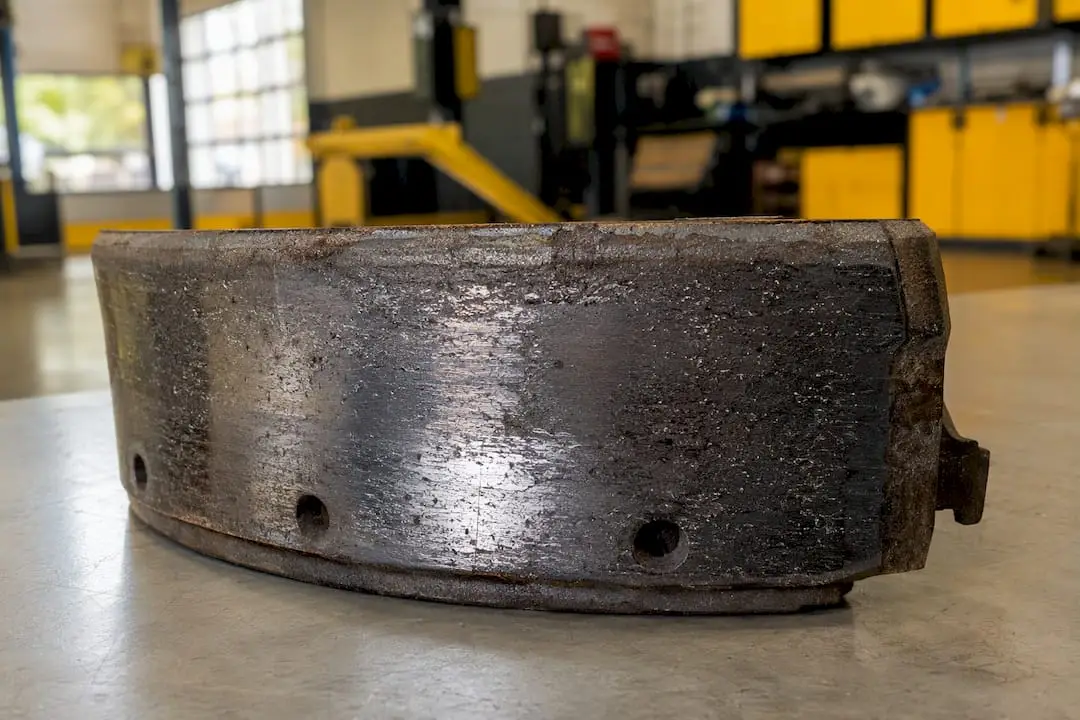
Glazing happens when heated resin from the lining smears unevenly across the rotor surface, usually from riding the brakes downhill or repeated hard stops without cooldown time, and it’s a leading cause of that pulsing pedal feel drivers report. Contamination from oil, brake fluid leaks, or road grime does something similar by reducing and unevenly distributing friction across the lining surface.
A tech evaluating your brakes during an estimate typically runs through:
- Lining or pad thickness measured against minimum spec.
- Rotor or drum runout checked for warping or scoring.
- Visible contamination from fluid, grease, or road debris.
- Wear-indicator function, both mechanical tangs and electronic sensors.
Pro Tip: Avoid prolonged light braking on long descents. Downshift instead and let engine braking do more of the work. That single habit change extends lining life more than almost anything else you can do behind the wheel.
What Owners Get Wrong About Brake Linings
Most drivers treat “brake pads” and “brake linings” as interchangeable, and honestly, in casual conversation that’s fine. But when you’re standing at a parts counter or approving a repair estimate, that fuzziness costs you. A lining is the friction material itself; a pad is the whole disc-brake assembly it’s bonded to. Get that wrong when ordering commercial parts and you’ve got a truck sitting idle while the correct part ships.
What I’d push back on is the instinct to shop lining material purely on price. Cheap organic compounds feel fine on a test drive and fail exactly when you need them most, on a hot downhill grade with a full load. Inspection intervals matter more than most owners assume, too. Don’t wait for a warning light. A visual check every oil change catches thinning linings before they turn into a grinding noise. Kwik Kar Oil Change & Auto Care’s ASE-certified technicians measure lining thickness and rotor condition at every visit, which catches problems long before they become expensive ones.
Get Your Brakes Inspected the Right Way
Kwik Kar Oil Change & Auto Care gives you something a generic quick-lube counter can’t: ASE-certified technicians who diagnose lining wear, rotor condition, and contamination together instead of guessing at one symptom in isolation.
Every inspection comes with transparent digital reporting, so you see exactly what’s worn, what’s borderline, and what can wait, with straightforward pricing and warranty coverage backing the parts and labor. That matters most on drum-and-shoe vehicles and older rotors, where a lining swap done without checking the mating surface just brings you back in a few months later. Whether you drive a daily commuter or tow regularly, our team matches lining material to your actual driving pattern instead of defaulting to whatever’s cheapest on the shelf. If you’ve noticed a squeal, a pulsing pedal, or it’s simply been a while since anyone looked, schedule a brake inspection with Kwik Kar Oil Change & Auto Care and get a straight answer on what your linings actually need.
Sources
These sources ground this guide’s technical claims in real engineering references, occupational health research, and practical fitment guidance:
- Brake linings – Wikipedia
- Brake Pad Replacement: 5 Warning Signs & Maintenance Tips | GEICO
- NCBI / PMC article (relevant to occupational exposure risks)
- Truck Brake Pads vs Brake Linings: What’s the Difference | CertiSpares
FAQ
What Does Brake Lining Do?
A brake lining is the friction material that presses against a rotor or drum to convert your vehicle’s kinetic energy into heat, which is how the vehicle actually slows down and stops.
How Much Does It Cost to Replace Brake Linings?
Cost varies with vehicle type, material choice, and whether rotors or drums also need resurfacing or replacement, with drum-brake jobs and ceramic materials generally landing at the higher end.
How Do I Know If My Brake Linings Are Bad?
Squealing or grinding noise, a vibrating pedal, longer stopping distances, and the vehicle pulling to one side are the most reliable signs, and any of these warrants a prompt inspection.
Are Brake Linings and Pads the Same?
Not exactly. A lining is the friction material itself, while a pad is the complete disc-brake assembly, backing plate and lining together, that most drivers replace as a single unit.