Richardson: 5 Questions to Avoid Surprise Engine Diagnostic Costs
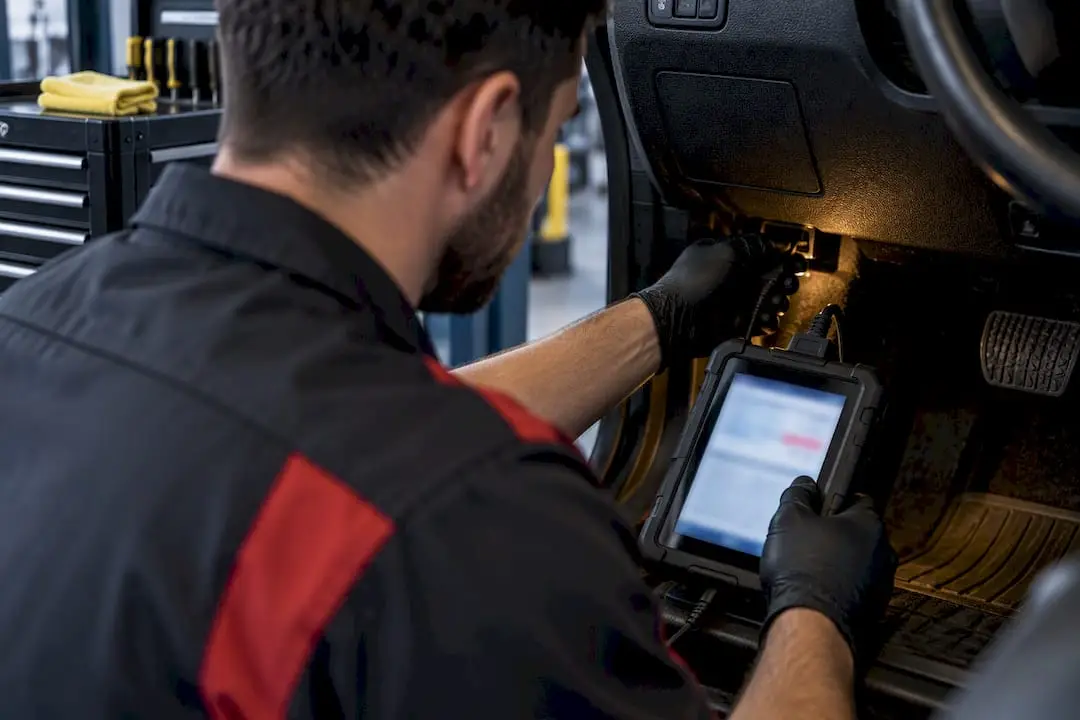
Most drivers pay somewhere between $70 and $160 for a professional engine diagnostic, with dealerships often running higher. A basic OBD2 code check is sometimes free, but a full diagnosis with live-data testing and a written scope of work is what you actually need before authorizing repairs. If your check engine light is flashing, stop driving and get it looked at right away.
TL;DR:
- A full engine diagnosis typically costs between $90 and $160 at independent shops, with dealerships charging more due to specialized software and tools.
- A basic OBD2 code scan is often free, but it only provides trouble codes; a comprehensive diagnosis includes visual inspections, live-data analysis, and detailed reporting.
- Diagnosing intermittent electrical faults costs more because they often require extended live testing and can take longer to identify.
- Clarifying diagnostic billing methods upfront, such as flat-rate versus hourly, can prevent unexpectedly high repair costs when troubleshooting complex issues.
- The total repair cost after diagnosis varies widely, from about $150 to $400 for simple fixes like ignition coils, but it increases significantly for more involved repairs like fuel injectors or wiring harnesses.
Table of Contents
- How Much Does Engine Diagnostics Cost?
- OBD2 Code Scan vs. a Full Diagnosis: What’s the Difference?
- What Drives Diagnostic Prices Up or Down?
- How Do You Get a Fair Diagnostic Estimate?
- What Kwik Kar Richardson Does for Engine Diagnostics
- What’s the Total Cost Once Repairs Are Included?
- Our Take: The Diagnostic Fee Isn’t the Real Cost Question
- Book an Engine Diagnostic With Kwik Kar Richardson
- Sources
- FAQ
How Much Does Engine Diagnostics Cost?
The price you pay depends heavily on who’s doing the work and what tools they’re using. Think of it less as one fee and more as three different service tiers, each built around a different combination of equipment, labor rate, and convenience.
Mobile mechanics tend to sit at the lower end of the market, typically charging a moderate fee for an on-site diagnostic visit. Many will roll that fee into the repair invoice if you approve the work on the spot, which softens the sting of paying twice.
Independent shops are the most common stop for this service, and pricing commonly lands in the $90 to $160 range. Consumer Reports notes that a shop diagnosis often runs around $90, which tracks with what most Richardson-area shops quote for a standard visit. That fee usually covers:
- A full OBD2 scan pulling every stored trouble code, not just the one triggering the light
- Basic sensor and component tests tied to the code
- A short road test to try to reproduce the symptom
- A written estimate outlining what repair the diagnosis points to
Dealerships sit at the top of the range, sometimes charging noticeably more than independent shops for the same code scan. That premium usually buys manufacturer-specific software, brand-trained technicians, and access to technical service bulletins that generic scan tools can’t pull. Motor1 reported on why some dealer diagnostics carry a higher price tag, largely tied to the cost of specialized equipment dealers are required to carry.
Here’s the catch: the exact same symptom, say a rough idle, can land in any of these three bands depending on which door you walk through and how much troubleshooting the technician has to do before finding the cause.
OBD2 Code Scan vs. a Full Diagnosis: What’s the Difference?
A code scan and a full diagnosis are not the same service, and confusing them is where most sticker shock comes from. The scan is step one. The diagnosis is everything that comes after.
An OBD2 scan plugs into your car’s computer and pulls whatever trouble codes are stored. Codes have existed on every vehicle built since 1996 under a standardized system, and they point a technician toward a system or circuit, not a specific broken part. A code reading “P0301: Cylinder 1 Misfire” doesn’t tell you if the culprit is a spark plug, an ignition coil, a fuel injector, or something wiring related.
That’s why AAA’s guidance on car diagnostics is clear that a scan is only the starting point. A full diagnostic workflow typically includes:
- Visual inspection of hoses, wiring, and vacuum lines near the flagged system
- Live-data analysis while the engine runs, watching sensor readings in real time instead of just the stored code
- Actuator or component tests to confirm a part is actually failing, not just suspected
- Wiring and connector checks for corrosion or damage, especially on intermittent faults
- Compression or leak-down testing when the symptom points toward internal engine wear
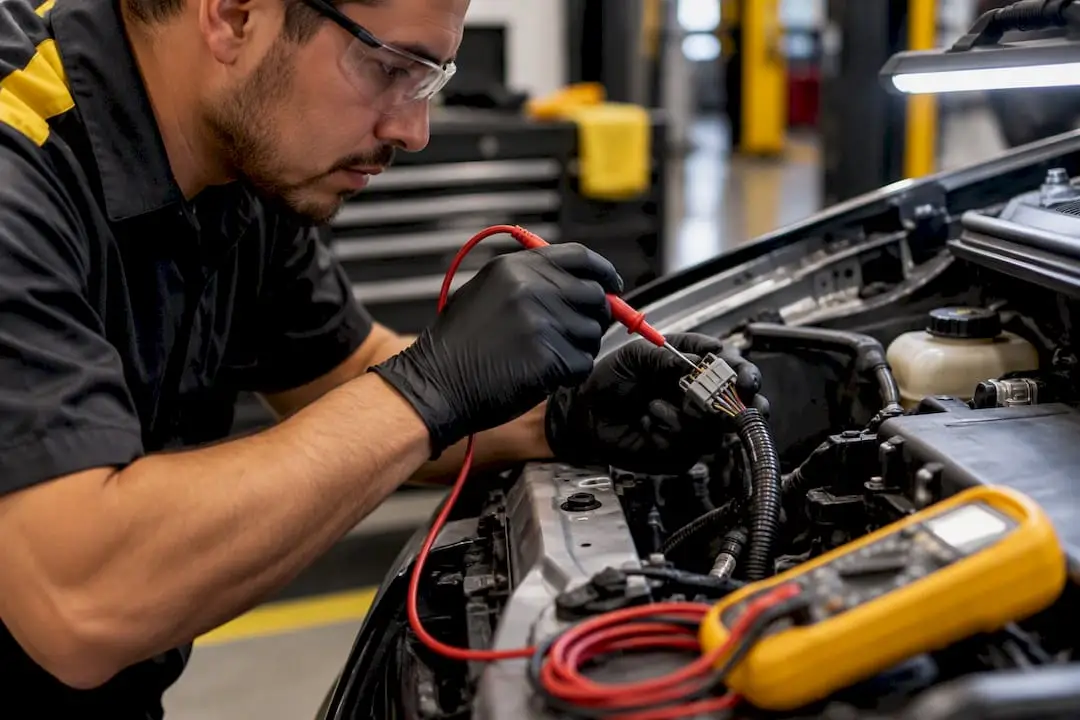
Intermittent electrical faults are consistently the most expensive diagnoses to run, because a technician can’t test what isn’t currently misbehaving. A wire that only loses connection over bumps might take an hour of live monitoring to catch in the act.
What Drives Diagnostic Prices Up or Down?
Diagnostic pricing isn’t arbitrary. A handful of variables explain why two shops can quote wildly different numbers for the same symptom.
- Labor rate and flat-rate billing. Many shops cap included diagnostic time (often around an hour) and bill extra past that point, because troubleshooting time is far less predictable than a standard repair like a brake job.
- Electrical and intermittent problems. Chasing a short or a loose ground sometimes takes longer than the repair itself, since finding the fault is the hard part, not fixing it.
- Vehicle type. Luxury vehicles, hybrids, and EVs often need manufacturer-specific scan tools and software access that not every shop carries, and that access isn’t free for the shop to maintain.
- Shop type. Mobile mechanics trade convenience for a lighter toolkit, independent shops balance cost and capability, and dealers carry the deepest tooling at the highest hourly rate.
RepairPal’s cost estimator shows real vehicle-based variance, with certain models running moderate to higher fees for a diagnosis and luxury vehicles typically being more expensive. A failing ignition coil is a good example of a diagnosis that sounds simple but can require multiple tests to confirm before a technician recommends replacement.
Pro Tip: Ask upfront whether the shop uses flat-rate or hourly diagnostic billing. A flat-rate quote protects you from an open-ended bill if the fault turns out to be tricky to isolate.
How Do You Get a Fair Diagnostic Estimate?
Getting an honest quote starts before the car ever reaches the lift. What you tell the service advisor at drop-off shapes how quickly the technician can narrow things down.
- Describe the exact conditions. Note whether the problem happens on a cold start or after the engine’s warm, at idle or under acceleration, and whether the check engine light is steady or flashing.
- Ask if the fee is credited toward repair. Plenty of shops apply the diagnostic charge to the final bill if you approve the fix, but it’s not universal, so confirm it before you drop the car off.
- Ask about the time cap. Find out how many hours of diagnostic work the quoted fee covers and what the rate is if the technician needs more time.
- Request a written scope. Get the diagnostic findings in writing, including any live-data readings or inspection notes, before you approve parts or labor.
- Get a second opinion if something feels off. If a shop recommends an expensive repair without showing you the test results that led there, it’s reasonable to ask another technician to confirm the finding.
Jotting down quick diagnosis steps before you call, like when the symptom started and what you were doing when it appeared, saves the shop time and saves you money.
What Kwik Kar Richardson Does for Engine Diagnostics
Kwik Kar Oil Change & Auto Care runs engine diagnostics with ASE-certified technicians and dealership-level scan tools, so Richardson drivers get manufacturer-grade diagnostic depth without a dealership drive across town.
Here’s what that looks like in practice:
- Transparent, itemized pricing before any repair work is approved
- Digital vehicle inspection reports so you can see exactly what the technician found, not just what they’re telling you
- Warranty coverage backing diagnostic-related repairs
- Special pricing consideration for military and first responders
When you bring your car in, plan to describe your symptoms the same way outlined above: when it happens, under what conditions, and whether any warning light is steady or flashing. You’ll leave with a written diagnostic breakdown explaining the findings before any repair estimate is finalized.
What’s the Total Cost Once Repairs Are Included?
The diagnostic fee is only the first line item. Once a technician identifies the actual problem, the total bill depends entirely on what’s broken and how labor-intensive the fix is.
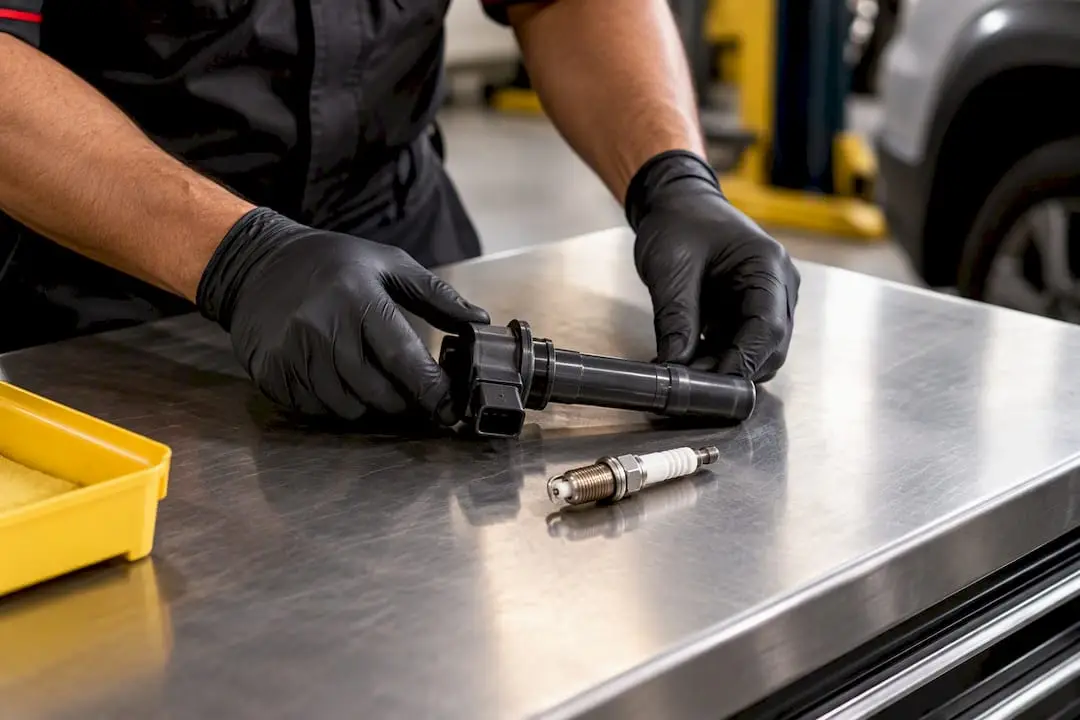
A simple fix like replacing a single ignition coil or spark plug might add $150 to $400 on top of the diagnostic fee, parts and labor combined. A failing sensor, like an oxygen sensor or a mass airflow sensor, often falls in a similar range. Move into more involved territory, like a fuel injector replacement or a wiring harness repair for an intermittent electrical fault, and the total climbs considerably higher because both parts and labor hours increase.
This is exactly why the diagnostic step matters so much: it tells you which category you’re in before you commit to anything. A driver who skips diagnosis and lets a shop guess at parts often ends up paying for a sensor that wasn’t actually the problem, then paying again for the real fix. The diagnostic fee, credited toward repair or not, is almost always cheaper than a guess that misses.
Our Take: The Diagnostic Fee Isn’t the Real Cost Question
The conventional advice around engine diagnostics obsesses over the fee itself: is $90 fair, is $150 too much, should it be free like the code scan at a parts store. That’s the wrong question. The real cost question is whether you’re getting a full diagnosis or a code readout dressed up as one.
A five-minute scan that hands you a code number and a guess isn’t worth much regardless of price. A diagnosis that includes live-data, a visual inspection, and a written explanation of what the technician actually tested is worth paying for, even at the higher end of the range, because it prevents the far more expensive mistake of replacing the wrong part twice.
Prioritize the shop that shows you the test results over the one that quotes the lowest number. Price matters, but transparency about what that price bought you matters more.
— Kwik Kar
Book an Engine Diagnostic With Kwik Kar Richardson
If your check engine light has been on for more than a day, or it’s flashing right now, waiting costs more than the diagnostic fee ever will. Kwik Kar Oil Change & Auto Care gives Richardson drivers dealership-level diagnostic tools and ASE-certified technicians without the dealership wait time or markup, backed by transparent pricing and a digital inspection report you can actually read.
Before you call, jot down when the symptom started, whether it happens cold or warm, and whether the light is steady or flashing. That handful of details helps the technician narrow the diagnosis faster and keeps your visit efficient. Schedule your engine diagnostic appointment online or explore the full range of auto repair services available at the Richardson location, including battery, brake, and A/C work if your visit turns up more than one issue.
Sources
- AAA: Car maintenance & diagnostics guidance
- Consumer Reports: What does the check engine light mean?
- RepairPal estimator: vehicle-specific diagnosis cost examples
- EPA overview of OBDII and its role in diagnosis
FAQ
How much does it cost to diagnose a car engine?
Most drivers pay between $70 and $160 for a professional engine diagnostic, depending on whether it’s a mobile mechanic, independent shop, or dealership. Consumer Reports puts the typical shop diagnosis around $90, though dealership and luxury-vehicle diagnostics often run higher.
Does AutoZone do a free engine diagnostic?
Auto parts retailers commonly offer a free basic code scan that reads what trouble code triggered your check engine light. That free scan is not the same as a full diagnosis, since it doesn’t include the live-data testing, visual inspection, or actuator tests a technician runs to confirm the actual cause.
Is a $200 diagnostic fee normal?
A diagnostic fee above $150 is on the higher end but not unusual, especially at a dealership or for a vehicle needing manufacturer-specific software. RepairPal shows diagnostic costs climbing past $150 for certain vehicle types, so it’s worth asking what testing that fee covers before assuming it’s overpriced.
Is a car diagnostic worth it?
Yes, a proper diagnostic is almost always worth the fee because it prevents paying to replace parts that weren’t actually the problem. Skipping diagnosis and guessing at repairs typically costs more in the long run than the diagnostic fee itself.
Can I get engine diagnostics done at Kwik Kar Richardson?
Yes, Kwik Kar Oil Change & Auto Care offers engine diagnostics using ASE-certified technicians and dealership-level tools. You can view service details or book an appointment online for current pricing and availability.