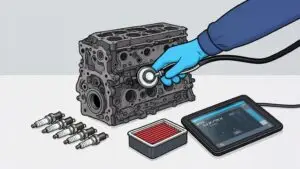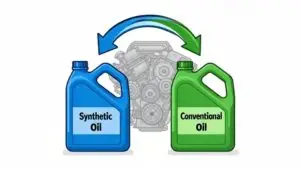

Preventive vehicle maintenance is defined as proactive, scheduled servicing designed to identify and correct wear before it causes a breakdown. Most car owners think about their vehicle only when something goes wrong. That reactive mindset costs far more than it saves. Unperformed maintenance accounts for $50 billion in neglected auto care annually across the U.S., raising both repair costs and safety risks. The industry term for this practice is “scheduled preventive maintenance,” and it follows manufacturer-defined intervals based on mileage, time, or operating conditions. Understanding this system is the first step toward protecting your vehicle and your wallet.
What is preventive vehicle maintenance, and what does it include?
Preventive maintenance covers every service task performed on a schedule, before symptoms appear. Oil changes, fluid checks, tire rotations, brake inspections, and battery tests all fall under this umbrella. Each task targets a specific failure mode and stops it before it becomes expensive.
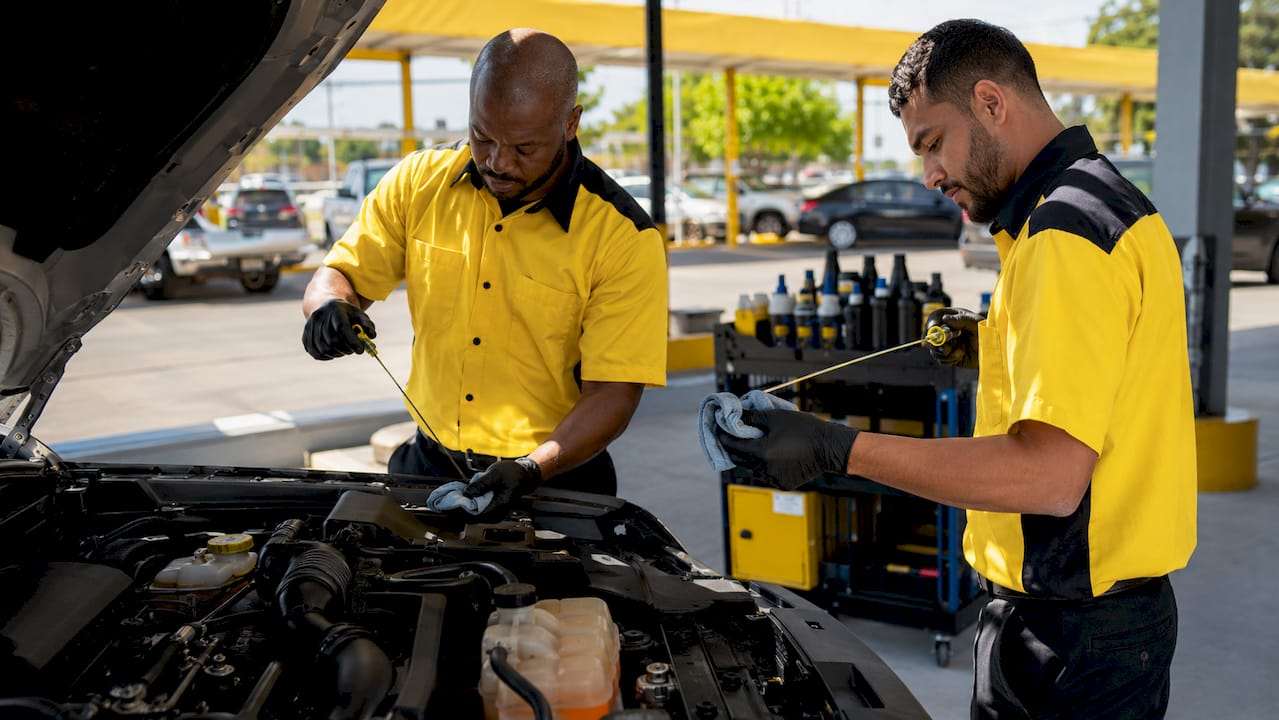
The cost difference between prevention and repair is stark. A $50 oil change can prevent engine failure that costs $4,000–$10,000 to fix. That ratio alone makes the case for staying on schedule.
Here is a quick reference for the most critical maintenance items:
- Oil and filter change: Keeps the engine lubricated and free of sludge. Neglect leads to accelerated wear and, eventually, engine seizure. Follow your owner’s manual for interval guidance, typically every 5,000–7,500 miles for conventional oil.
- Tire rotation and pressure checks: Uneven wear shortens tire life and reduces handling. Rotating tires every 5,000–7,500 miles extends tread life and improves fuel economy.
- Brake pad inspection: Brake pad replacement costs $150–$300. Ignoring worn pads damages rotors and doubles or triples the repair bill. Check pads every 12,000 miles or at each tire rotation.
- Fluid checks: Coolant, transmission fluid, brake fluid, and power steering fluid all degrade over time. Low or contaminated fluid causes component failure.
- Battery test: Most batteries last 3–5 years. A simple load test catches a failing battery before it leaves you stranded.
- Air filter replacement: A clogged air filter forces the engine to work harder, burning more fuel and reducing power.
Pro Tip: Never skip a brake inspection just because the brakes feel fine. Brake wear is often silent until the rotors are already damaged. Schedule a brake pad check at every oil change.
How do driving habits and conditions affect your maintenance schedule?
Your driving conditions determine how fast your vehicle wears out. Manufacturers publish two sets of intervals: standard and severe duty. Most car owners assume they fall into the standard category. Most are wrong.
Severe driving conditions include frequent short trips under five miles, stop-and-go traffic, extreme heat or cold, towing, and dusty environments. Severe conditions require 40–50% shorter service intervals than standard driving. That means an oil change interval of 7,500 miles under normal conditions may drop to 4,000–5,000 miles if you commute daily through heavy traffic in Texas summer heat.
| Driving condition | Standard interval | Severe duty interval |
|---|---|---|
| Oil change | 7,500 miles | 4,000–5,000 miles |
| Transmission fluid | 60,000–100,000 miles | 30,000–50,000 miles |
| Coolant flush | 5 years | 2–3 years |
| Air filter | 15,000–30,000 miles | 10,000–15,000 miles |
| Brake inspection | 12,000 miles | 6,000–8,000 miles |
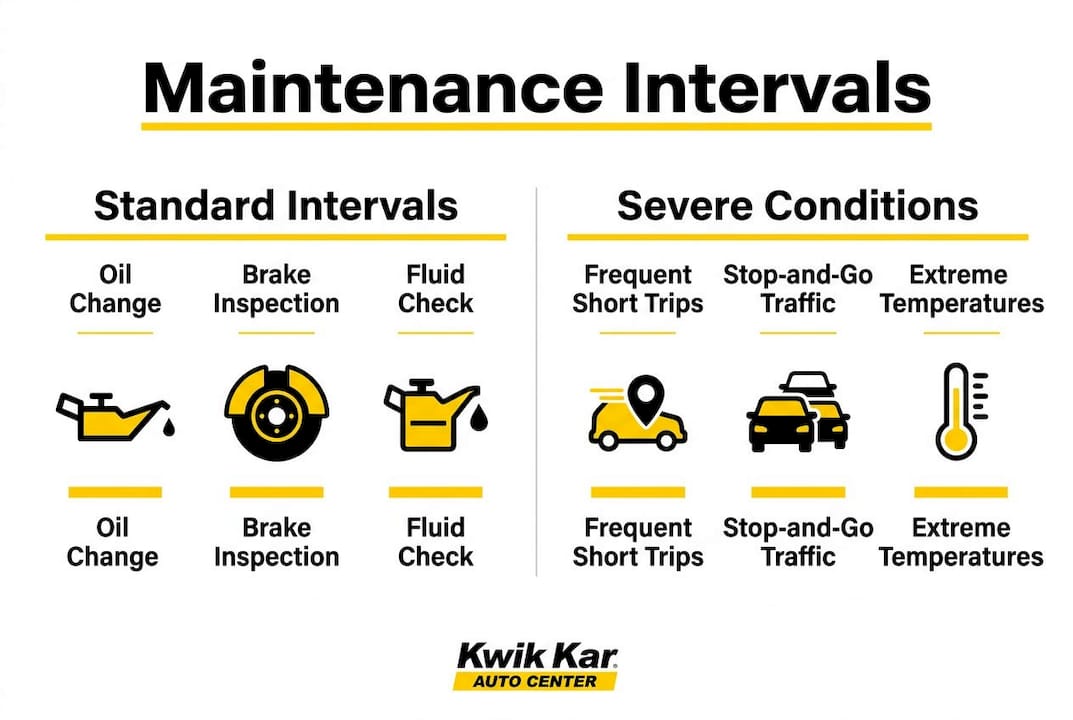
One of the most persistent misconceptions in auto care involves “lifetime” fluids. Many manufacturers label transmission fluid as lifetime, implying it never needs changing. A transmission fluid drain at 60,000–100,000 miles prevents failures that can cost several thousand dollars. “Lifetime” means the life of the fluid under ideal conditions, not the life of your vehicle under real-world use.
Your owner’s manual is the definitive guide for your specific vehicle. Following the owner’s manual beats any quick-lube sticker, which may suggest arbitrary intervals unrelated to your car’s actual engineering requirements.
Pro Tip: Track your driving habits for one month. Note trip length, traffic conditions, and climate. If most trips are under 10 miles or involve heavy idling, treat yourself as a severe-duty driver and shorten your service intervals accordingly.
What are the financial and safety benefits of preventive maintenance?
Consistent preventive care delivers two returns: lower long-term costs and a safer vehicle. These are not abstract promises. They show up in real numbers every time a scheduled service catches a problem early.
“Waiting for symptoms before servicing leads to higher costs, reduced efficiency, and loss of reliability. Proactive care saves money and protects vehicle performance. Experts warn that reactive maintenance is the most expensive approach a driver can take.”
Modern vehicles’ electronic systems make preventive care more critical than ever. Sensors, modules, and computer-controlled components are far more sensitive to neglected fluids and worn parts than older mechanical systems. A single ignored coolant flush can trigger a cascade of failures across multiple systems.
The safety case is equally direct. Maintained brakes stop your car reliably. Properly inflated tires hold the road in wet conditions. Fresh brake fluid resists vapor lock under hard braking. Each of these factors directly affects your ability to avoid an accident.
Preventive maintenance also improves fuel economy by preventing issues like dirty air filters, low tire pressure, and worn spark plugs. A poorly maintained vehicle burns more fuel for the same distance. Over a year of driving, that adds up to a meaningful cost.
The key benefits, ranked by impact:
- Avoided catastrophic repairs: Oil changes prevent engine failure. Brake service prevents rotor damage. Fluid flushes prevent transmission failure.
- Improved safety: Maintained brakes, tires, and fluids reduce accident risk directly.
- Better fuel economy: Clean filters, fresh oil, and correct tire pressure reduce fuel consumption.
- Higher resale value: Maintenance records boost resale value by proving consistent upkeep to buyers.
- Extended vehicle lifespan: Vehicles that receive regular care routinely outlast those that do not by many years.
How do you build an effective auto maintenance schedule?
An effective schedule starts with your owner’s manual, not a generic chart from the internet. Manufacturer intervals are engineered for your specific engine, transmission, and operating tolerances. Use them as your baseline, then adjust for your actual driving conditions.
A car maintenance checklist for most vehicles should include these core components:
- Oil and filter change (per manufacturer interval, adjusted for driving conditions)
- Tire rotation and pressure check (every 5,000–7,500 miles)
- Brake pad and rotor inspection (every 12,000 miles or at each tire rotation)
- Battery load test (annually after year three)
- Coolant, transmission, brake, and power steering fluid checks (at every oil change)
- Air filter inspection (every 15,000–30,000 miles, sooner in dusty climates)
- Spark plug replacement (per manufacturer schedule, typically 30,000–100,000 miles depending on plug type)
- Cabin air filter replacement (every 15,000–25,000 miles)
Tracking your service history matters as much as performing the service. A written log or a simple app entry after each visit creates a record that tells any technician exactly what has been done and what is due. Accurate maintenance records also streamline diagnostics when something does go wrong, cutting diagnostic time and labor costs.
Best practices for sustaining your routine:
- Set calendar reminders tied to mileage milestones, not just dates.
- Keep a physical folder or digital file with every service receipt.
- Ask your technician to flag upcoming services at each visit.
- Review your 60K, 90K, and 120K mile service requirements before you reach those milestones.
- Partner with a certified shop that tracks your history and reminds you proactively.
The goal is a system that runs in the background of your life. When maintenance becomes automatic, vehicles last longer and repair bills stay predictable.
Key Takeaways
Preventive vehicle maintenance is the single most cost-effective action a car owner can take to protect vehicle safety, extend lifespan, and avoid expensive emergency repairs.
| Point | Details |
|---|---|
| Prevention beats repair every time | A $50 oil change prevents engine failures costing $4,000–$10,000. |
| Severe conditions shorten intervals | Stop-and-go traffic and extreme heat require 40–50% more frequent service. |
| “Lifetime” fluids are not truly lifetime | Transmission fluid should be changed at 60,000–100,000 miles to prevent failure. |
| Records protect your investment | Documented service history raises resale value and speeds up diagnostics. |
| Modern vehicles demand more care | Electronic systems fail faster when maintenance is neglected compared to older models. |
The mindset shift that actually keeps cars on the road
At Kwik Kar Oil Change & Auto Care, we see the same pattern constantly. A car owner comes in with a problem that started quietly months ago. A fluid that was overdue. A brake pad that had been metal-on-metal for weeks. An oil that had turned to sludge. The repair bill is always larger than the maintenance would have been, and the frustration is always the same: “I didn’t know it was that bad.”
The uncomfortable truth is that most owners do not neglect their vehicles out of laziness. They neglect them because nothing feels wrong. Cars are engineered to mask early wear. The engine runs. The brakes stop the car. The fluids look fine at a glance. By the time a symptom appears, the damage is already done.
The mindset shift that actually works is treating maintenance as a subscription, not a reaction. You pay your insurance premium every month whether or not you have an accident. Maintenance works the same way. The payment is small and regular. The protection is real and continuous.
We also see owners over-rely on dashboard warning lights as their maintenance trigger. Warning lights are last resorts, not early warnings. Your oil pressure light does not come on until the engine is already starved. Your brake warning light does not appear until pads are critically thin. The importance of vehicle upkeep lies in acting before those lights ever have a reason to turn on.
Build a relationship with a shop you trust. Bring your records. Ask questions. A good technician will tell you what is due, what can wait, and what to watch. That conversation, repeated every few months, is worth more than any single repair.
— Kwik Kar
Kwik Kar Oil Change & Auto Care: your Richardson, TX maintenance partner
Kwik Kar Oil Change & Auto Care serves Richardson, TX drivers with the full range of preventive services your vehicle needs to stay reliable and safe.
Our ASE-certified technicians handle oil changes, brake service, battery testing, fluid flushes, and engine diagnostics under one roof. Every visit includes a multi-point inspection so nothing gets missed. Kwik Kar Oil Change & Auto Care is recognized by CARFAX and RepairPal, and we offer special discounts for military members and first responders. Whether you are due for a routine oil change or a full auto repair service, our team tracks your history and keeps your schedule on point. Schedule your next service with Kwik Kar Oil Change & Auto Care and keep your vehicle running the way it should.
FAQ
What is preventive vehicle maintenance?
Preventive vehicle maintenance is scheduled, proactive servicing based on mileage, time, or operating conditions to address wear before it causes a failure. Common tasks include oil changes, fluid checks, brake inspections, and tire rotations.
How often should I follow a vehicle maintenance checklist?
Most maintenance items follow mileage-based intervals set by the manufacturer. Oil changes typically occur every 5,000–7,500 miles, while other services like transmission fluid changes may extend to 60,000–100,000 miles under normal conditions.
Does preventive maintenance really save money?
A single oil change costing around $50 can prevent engine failure that runs $4,000–$10,000 to repair. Consistent preventive care also improves fuel economy and protects resale value.
What counts as severe driving conditions?
Severe driving includes frequent short trips under five miles, stop-and-go traffic, towing, extreme heat or cold, and dusty environments. Severe conditions require 40–50% shorter service intervals than standard driving.
How do I track my auto maintenance schedule?
Keep a written log or digital record of every service, including the date, mileage, and work performed. Accurate records help technicians diagnose problems faster and prove consistent upkeep to future buyers.