AC Compressor Trouble? Six Owner Checks That Prevent a $1,200 Repair
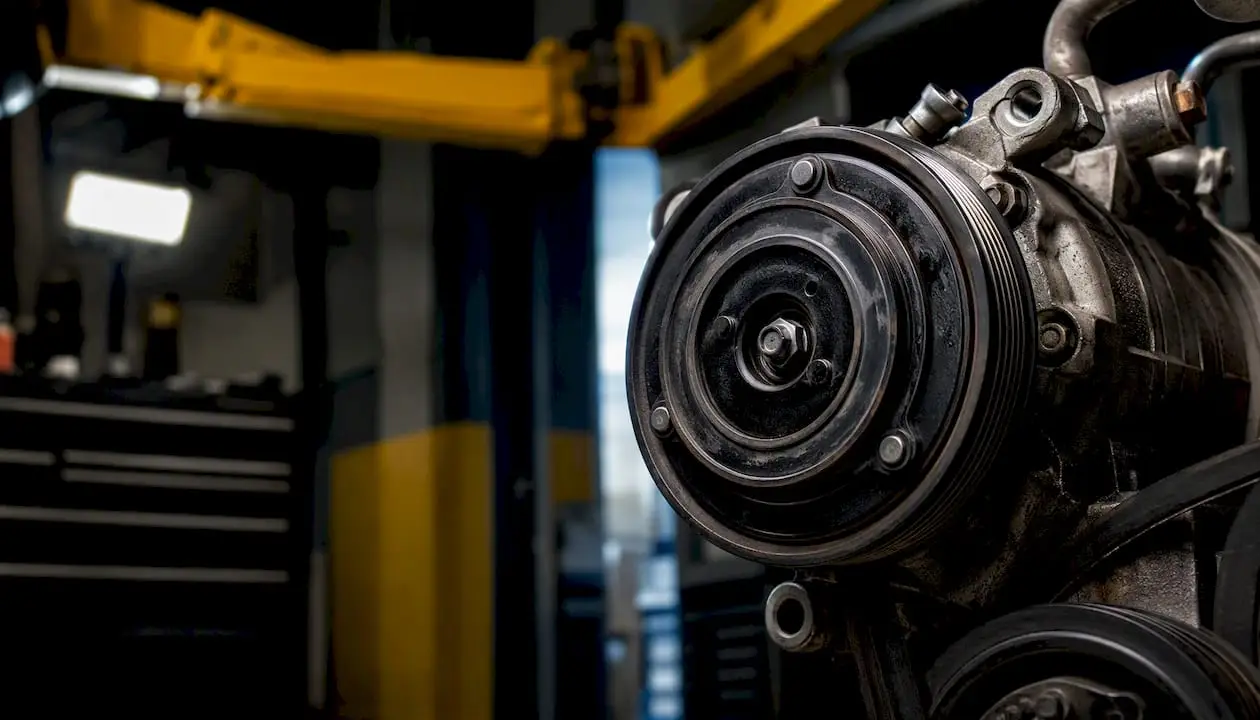
If your vents are blowing warm air and you hear grinding under the hood while the compressor clutch refuses to engage, you’re likely looking at a failing AC compressor, not just a low refrigerant charge. Add oily residue near the compressor or hoses, and the case gets stronger. Low refrigerant alone can mimic warm air, so the diagnostic checks below matter before anyone reaches for a wrench.
TL;DR:
- Most compressor failures are caused by oil loss due to refrigerant leaks, which leads to internal wear and ultimately seizing of the compressor.
- Symptoms like grinding noises, clutch engagement issues, oily residue, and rapid cycling indicate imminent or ongoing compressor failure and require prompt diagnostic checks.
- Conducting pressure tests, clutch inspections, and leak detection is essential before replacing the compressor, as many issues stem from electrical faults, belt problems, or refrigerant leaks.
- Using system flushes, replacing the receiver/drier, and sealing leaks are critical repair steps to prevent debris from damaging new compressors and to ensure system longevity.
- Cost varies depending on the compressor type, additional parts needed, and labor; a professional diagnosis with proper steps is crucial to avoid recurrent failures.
Table of Contents
- Ac Compressor Failure Symptoms Every Owner Should Recognize
- Is It the Compressor, or Something Else Entirely?
- Why Compressors Actually Fail (and How to Prevent It)
- What to Do Next and What Repair Actually Costs
- The Kwik Kar Standard for Lasting AC Repairs
- Why Most AC Diagnoses Get the Order Wrong
- Get Your AC Diagnosed Before a Small Leak Becomes a Seized Compressor
- Where to Read More on AC Diagnostics
- Sources
- FAQ
Ac Compressor Failure Symptoms Every Owner Should Recognize
A failing compressor rarely dies without warning. It usually announces itself through a set of observable symptoms that build over days or weeks: warm air, strange noises, clutch problems, leaks, and inconsistent cooling. Catching them early keeps a $150 diagnostic from turning into a $1,200 repair.
Here’s how to read each one, ranked roughly by how urgently it demands attention.
-
Warm or hot air from the vents. A gradual warming over weeks often points to a slow refrigerant leak. Air that goes from cold to useless in a day or two, especially paired with noise, usually means the compressor itself has quit pumping refrigerant through the system.
-
Grinding, squealing, or rattling noises. Grinding under the hood when the AC is on suggests worn or seized internal bearings, which can also be diagnosed in detail with the help of resources like My Brakes Are Squeaking, But Is It Really Because of Your Brake Pads or Brake Rotors? – AAA Frictions. A squeal is more often the clutch or serpentine belt slipping. A rattle or knock can mean loose internal components or debris bouncing around inside the compressor housing.
-
The compressor clutch isn’t engaging. With the engine running and the AC switched on, you can safely glance at the pulley in the center of the compressor. A spinning outer pulley with a stationary center hub means the clutch has failed to engage; a completely motionless pulley points to electrical or belt trouble instead.
-
Oily residue or a hissing sound near the compressor. Refrigerant carries oil through the system, so a visible oily film around fittings, hoses, or the compressor shaft seal usually confirms a refrigerant leak. A hissing noise right after the AC is switched on can indicate a pressurized leak at a fitting or seal.
-
Rapid on/off cycling or uneven vent temperatures. A compressor that clicks on and off every few seconds, or vents that alternate between cold and warm air, often signals internal wear or a system that’s lost the correct refrigerant charge.
-
Visible rust, physical damage, or a scorched clutch. Rust on the compressor housing, a cracked pulley, or a clutch face that looks burnt or discolored are signs of a compressor nearing the end of its service life, even if it’s still technically running today.
Pro Tip: A noisy compressor often warns you before it fails completely — treat grinding or bearing noise as a deadline, not a background annoyance.
Is It the Compressor, or Something Else Entirely?
Before you assume the compressor is toast, a few quick checks separate a genuine compressor failure from cheaper, more common culprits.
- Watch the clutch pulley with the engine running and AC on. If the whole assembly spins together, the clutch is engaging fine and your problem likely lies elsewhere in the system.
- Note when the noise happens. A grinding sound only when the AC is switched on points to the compressor or its clutch bearing. A noise that’s present with the AC off, too, is more likely a belt, tensioner, or another accessory.
- Look for oil patterns. Check the shaft seal, hose fittings, and connections for an oily film, since refrigerant leaks almost always carry oil with them and leave visible tracks.
- Run a manifold gauge pressure test. Readings that fall outside the manufacturer’s specified range on the high or low side suggest either compressor inefficiency or a blockage, not simply a low charge.
- Rule out electrical faults. A blown fuse, a failed relay, or a tripped low-pressure cutout switch can make a perfectly good compressor look dead. A shop will check these before condemning the compressor itself.
Never attempt to open refrigerant lines or vent refrigerant yourself. Federal regulations require certified equipment and training to handle automotive refrigerant safely and legally, which is exactly why this step belongs to a professional technician, not a driveway repair.
Why Compressors Actually Fail (and How to Prevent It)
Most compressor deaths trace back to one root problem: lost lubricant. Refrigerant and oil travel together through the AC loop, so any leak that drains refrigerant also starves the compressor of the lubrication it needs to survive. Loss of oil is the single biggest reason compressors fail, followed by contamination and overcharging.
Once a compressor grinds itself apart internally, it scatters metal shavings and sludge, sometimes called “black death,” throughout the hoses, condenser, and orifice tube. Skip the flush and install a fresh compressor anyway, and that debris will kill the new one within weeks. That’s why a proper repair always includes flushing the circuit and replacing the receiver/drier and orifice tube.
A few prevention habits go a long way:
- Run the AC for a few minutes weekly, even in winter, to keep seals lubricated and the clutch cycling.
- Have refrigerant recharges done by weight, not by “feel” or guesswork on a gauge.
- Fix small leaks the moment you notice them instead of topping off refrigerant repeatedly.
- Ask your shop to replace the receiver/drier any time the system is opened for service.
Overcharging deserves its own mention. Many drivers assume more refrigerant means colder air, but excess refrigerant raises head pressure and stresses internal seals and bearings, often shortening compressor life rather than improving cooling.
What to Do Next and What Repair Actually Costs
If you hear loud grinding or smell burning rubber, stop driving and shut the AC off immediately. A seized compressor can lock up and snap the serpentine belt, which may also power your alternator and water pump, turning a $600 AC repair into a roadside breakdown.
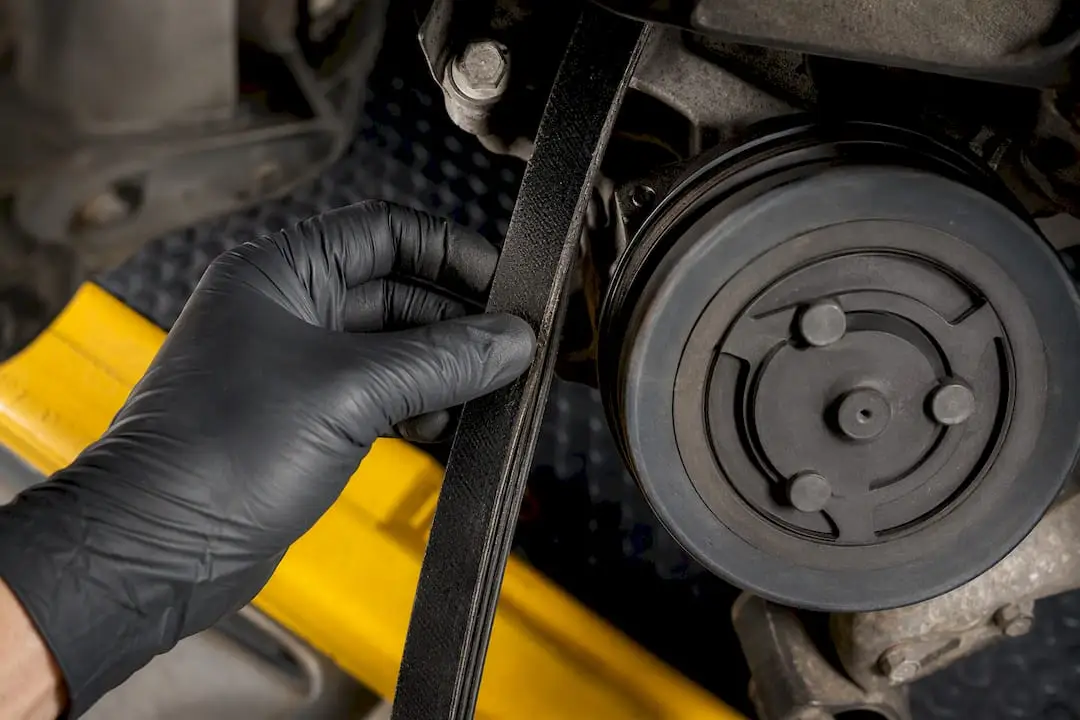
At the shop, expect a workflow that starts with diagnostics: clutch checks, pressure testing, and a leak inspection. If the compressor is confirmed bad, the technician will flush the entire system, replace the drier or orifice tube (and sometimes the condenser if contamination is heavy), install the new compressor, pull a vacuum to remove moisture, and recharge by weight.
Cost varies based on:
- New versus remanufactured compressor
- Whether the condenser or drier also needs replacing
- Labor time, which differs significantly by vehicle platform
- Refrigerant type and quantity required
Before authorizing repair, ask whether the shop performed pressure testing, flushed the lines, replaced the receiver/drier, and matched refrigerant oil to your system’s specifications. Skipping any of those steps is the most common reason a “new” compressor fails again within months.
The Kwik Kar Standard for Lasting AC Repairs
ASE-certified technicians at Kwik Kar Oil Change & Auto Care diagnose AC failures with clutch inspection, manifold pressure testing, and visual leak checks rather than guesswork. When a compressor needs replacement, the standard repair includes flushing the lines, swapping the receiver/drier and orifice tube, verifying the correct refrigerant oil type, and recharging by weight after a full vacuum cycle. That process is why the shop carries recognition from RepairPal and CARFAX for reliable auto repair services.
Why Most AC Diagnoses Get the Order Wrong
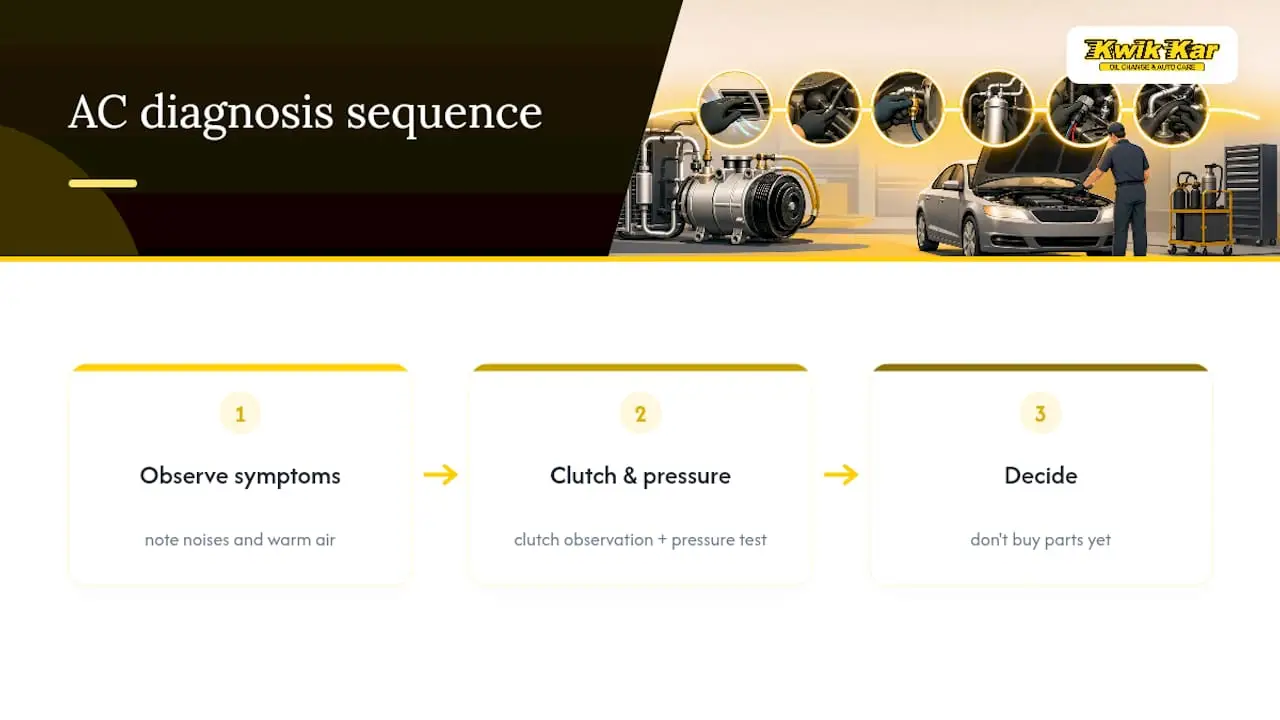
Most advice online treats compressor failure like a coin flip: replace it and hope. That’s backward. The evidence points to a clear sequence: observe symptoms, run the clutch and pressure checks, then decide.
Conventional wisdom overweights refrigerant top-offs. A DIY recharge kit might mask a symptom for a week, but if oil is leaking out with the refrigerant, you’re accelerating the compressor’s death, not preventing it. The real gap is that most owners skip the leak inspection entirely and jump straight to “add more Freon.”
Prioritize the clutch observation and the pressure test before spending a dollar on parts. Those two checks, done in under twenty minutes, tell you more than any symptom alone. A grinding noise plus a stationary clutch hub is close to diagnostic certainty. Warm air by itself is not. That distinction is where most misdiagnoses, and most wasted repair money, actually happen.
— Kwik Kar
Get Your AC Diagnosed Before a Small Leak Becomes a Seized Compressor
A DIY recharge can might buy you a few cool days, but it can’t tell you whether you’re losing oil, running low pressure, or facing a clutch on its last cycle. Kwik Kar Oil Change & Auto Care runs a full diagnostic that combines clutch inspection, manifold pressure testing, and visual leak checks so you get a straight answer instead of a guess.

Every technician on staff is ASE-certified, and the shop carries recognition from both RepairPal and CARFAX for consistent, transparent repair work. Military members and first responders receive a discount on service. If your vents are blowing warm or you’ve noticed any of the noises covered above, schedule a diagnostic through Kwik Kar’s auto repair services and get a clear, written estimate before any work begins.
Where to Read More on AC Diagnostics
For deeper technical detail, the ASE HVAC test prep guide and HELLA’s compressor replacement walkthrough cover flushing and oil-matching procedures. Always pair reading with a hands-on inspection from a certified technician.
Sources
- ASE P2 Test Prep: Hvac
- Top AC Compressor Failure Causes and How to Prevent Them — Ricks Free Auto Repair Advice
- Changing the air conditioning compressor | HELLA
- How to tell if a car air-conditioning compressor is bad — J.D. Power
FAQ
What happens when an AC compressor fails?
The system stops circulating refrigerant properly, so vents blow warm air, the clutch may stop engaging, and you may hear grinding or notice oily residue from an internal leak.
What’s the average cost to replace an AC compressor?
Cost depends heavily on whether you use a new or remanufactured unit, the vehicle platform’s labor time, and whether the condenser or drier also needs replacing, so getting a written shop estimate is the only reliable way to know your number.
What is the average lifespan of a car AC compressor?
There’s no single fixed lifespan, since it depends on refrigerant leaks, oil loss, and how consistently the AC gets used, but running the AC periodically and having recharges done by weight helps it last longer.
Will the AC still run with a bad compressor?
It may still turn on, but a failing compressor typically produces warm air, inconsistent cooling, or rapid cycling rather than the steady cold airflow a healthy system delivers.
Can a bad AC compressor damage other parts of the car?
Yes. A seized compressor can snap the serpentine belt, which often also drives the alternator and water pump, so grinding noise or a smoking belt means you should stop driving and have it checked immediately.