Most car owners have sat across from a service advisor wondering whether the work being recommended is genuinely necessary or just a well-packaged upsell. Understanding the real examples of dealership-level auto care cuts through that uncertainty. It tells you what quality service actually looks like, what separates a thorough job from a mediocre one, and how to recognize when you’re getting the standard your vehicle deserves. This knowledge directly protects your car’s reliability, your wallet, and your safety on the road.
Table of Contents
- Key takeaways
- 1. What actually defines examples of dealership-level auto care
- 2. Routine maintenance performed at a dealership standard
- 3. Advanced diagnostics and major repairs that reflect dealership standards
- 4. Dealership-level service versus independent shop service: key differences
- 5. My perspective on what dealership-level service really means
- Get dealership-quality care without dealership markups in Richardson
- FAQ
Key takeaways
| Point | Details |
|---|---|
| Diagnostics define quality | Factory-grade scan tools and OEM software separate dealership-level care from generic auto maintenance. |
| Transparency builds trust | Photo and video inspections increase service approval rates and protect you from unnecessary repairs. |
| Warranties stay intact | Per the Magnuson-Moss Warranty Act, independent shops don’t void warranties as long as required maintenance is documented. |
| Upsells are predictable | Knowing what your owner’s manual actually requires helps you spot inflated service packages before you approve them. |
| Certification matters most | ASE-certified technicians with brand-specific training can deliver dealership-quality work outside a franchise setting. |
1. What actually defines examples of dealership-level auto care
Not every shop that calls itself “premium” delivers premium work. Dealership-level auto care is defined by a specific set of standards, tools, and practices. When you know what those are, you can evaluate any shop’s actual capability rather than relying on their marketing.
Here is what genuinely separates this tier of service:
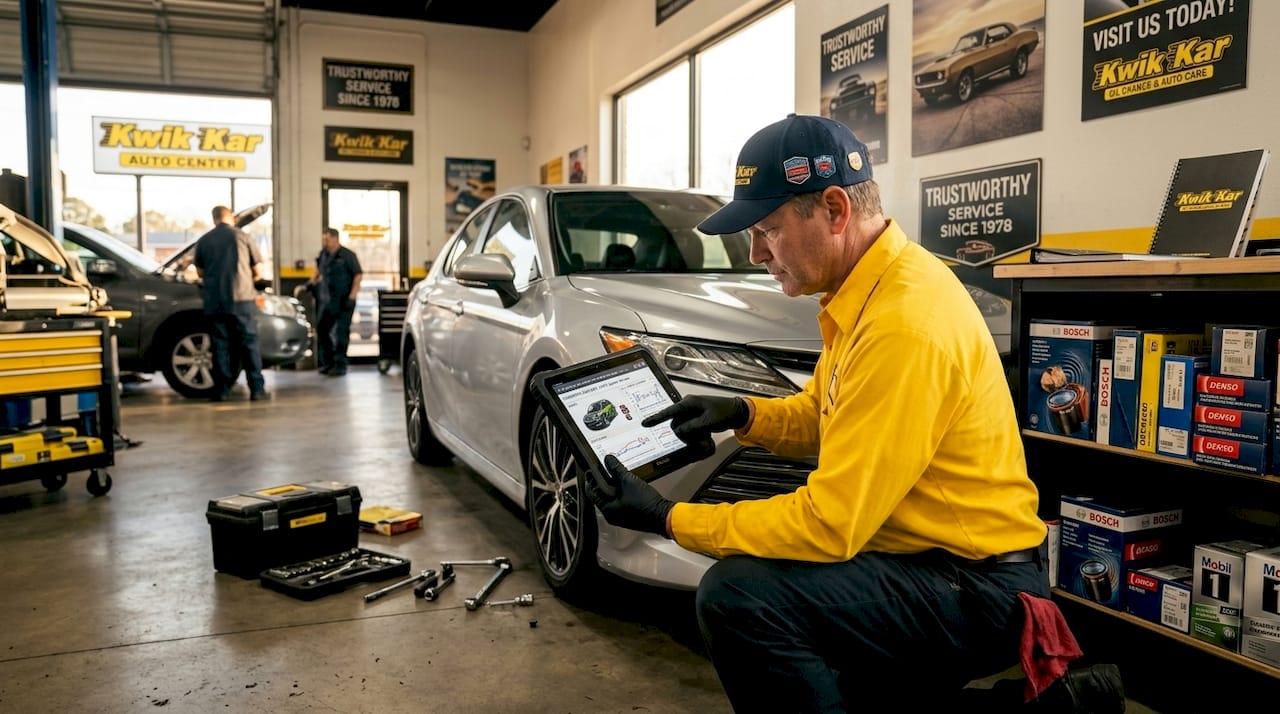
- Factory-grade diagnostic equipment: Dealerships use OEM scan tools that read manufacturer-specific fault codes invisible to generic code readers. These tools access every module in your vehicle, including transmission, ABS, airbag, and body control systems.
- Certified technicians with brand-specific training: ASE certification is a baseline. True dealership-level technicians receive ongoing training tied to specific vehicle makes, keeping them current on technical service bulletins and software updates.
- OEM or manufacturer-approved parts and fluids: The right oil viscosity, the correct transmission fluid specification, and brake pads designed for your vehicle’s weight and brake system. Generic substitutions can compromise performance and longevity.
- Structured multi-point inspections: Every visit includes a documented inspection of safety-critical systems, not just the service you came in for. This is how problems get caught before they become breakdowns.
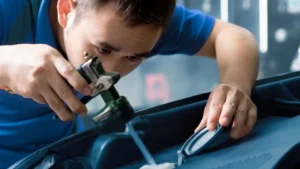
- Digital transparency tools: High-performing dealerships use photo and video inspections to show customers exactly what technicians find. This increases consumer trust by 53% and upsell acceptance rates by over 40%. When a shop shows you a photo of a cracked serpentine belt, you make decisions based on evidence, not pressure.
Pro Tip: Ask any service center before you book whether their technicians are ASE-certified and whether they use OEM or manufacturer-approved parts for your vehicle’s make and model. A quality shop will answer without hesitation.
One important caveat worth knowing: dealers sometimes quote dramatically more than the factory actually requires. A 30,000-mile service that costs $200 to $350 by the owner’s manual can appear on a dealer invoice as $2,038. Dealership-level standards describe the quality of work, not automatically the fairness of pricing.
2. Routine maintenance performed at a dealership standard
These are the services most car owners get regularly. The difference at a dealership level is not what gets done but how thoroughly it gets done and with what materials.
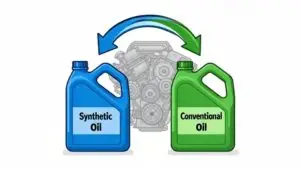
- Oil changes with manufacturer-specified oil and filter: This means the correct viscosity rating and oil type for your engine, not whatever is cheapest. A multi-point inspection runs alongside every oil change at this service tier, checking fluid levels, tire pressure, lights, belts, and hoses.
- Brake service with OEM-grade parts: Dealership-level brake work includes measuring rotor thickness, inspecting caliper function, and checking brake fluid condition. Brake pads matched to your vehicle’s specific weight and braking profile reduce stopping distance and prevent premature wear.
- Tire services with precision alignment sensors: Alignment checked via computerized alignment equipment, not a visual eyeball. Proper alignment extends tire life by thousands of miles and prevents uneven wear patterns that eventually affect steering stability.
- Battery testing and replacement: A dealership-level battery test measures cold cranking amps, reserve capacity, and charging system output simultaneously. Replacing with an OEM-spec battery matters because modern vehicles use battery sensors that must be recalibrated after replacement.
- Air conditioning diagnostics and repair: Dealer-grade AC service uses refrigerant recovery and recharge equipment that meets EPA standards, identifies leaks electronically, and checks compressor and condenser operation as a system rather than simply topping off refrigerant.
You can explore the full range of local auto care services available in your area to understand how these standards apply beyond a franchise setting.
3. Advanced diagnostics and major repairs that reflect dealership standards
This is where the gap between average shops and genuine dealership-level care becomes most visible. Complex diagnostics and major repairs require equipment, training, and repair data that not every shop invests in.
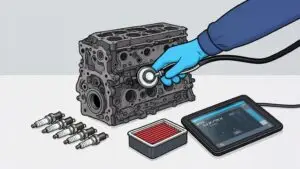
- Check engine light diagnostics with factory scan tools: A generic OBD-II reader gives you a code. A factory scan tool gives you live sensor data, freeze frame information, and the ability to run system tests. That difference is what separates a correct diagnosis from a guess.
- Engine performance diagnostics using OEM software: Issues like misfires, fuel trim anomalies, or variable valve timing faults require software that communicates directly with the engine control module. Brand-specific diagnostic workflows define dealership-level service, and they are not exclusive to franchise shops. Independent specialists with the right tools can match this capability.
- Transmission service with manufacturer-recommended fluid: Transmission fluid specification matters more than most drivers realize. The wrong fluid in a modern automatic transmission with adaptive shift programming can cause long-term damage. Dealership-level service uses the exact fluid grade listed by the manufacturer.
- Steering and suspension repairs with precision alignment: After any suspension component replacement, a four-wheel alignment on a calibrated rack is non-negotiable at this service tier. It protects the new parts and confirms the repair was executed correctly.
- Warranty recall and software updates: Recalls and technical service bulletin updates must be performed using OEM diagnostic software and factory procedures. This is one area where the dealership has a genuine structural advantage, since only authorized service centers receive direct manufacturer software updates and recall parts.
Pro Tip: Before approving any major diagnostic repair, ask the technician to show you the live scan data or print the diagnostic report. A shop confident in their diagnosis will welcome this request.
For a closer look at car trouble diagnosis processes that reflect this standard, your own research before any service appointment puts you in a stronger position.
4. Dealership-level service versus independent shop service: key differences
Understanding why dealership-level service at an independent shop is possible requires looking at both options honestly. Customers frequently hold cost misperceptions about dealership service, and the right choice genuinely depends on what your vehicle needs.
| Service Area | Dealership | Independent Shop |
|---|---|---|
| Diagnostic tools | OEM factory scan tools | Professional-grade tools; quality varies by shop |
| Parts quality | OEM or dealer-approved | Aftermarket range varies; quality shops use OEM-spec |
| Technician training | Brand-specific, manufacturer-updated | ASE certification; shop-dependent specialization |
| Transparency | Varies; digital inspection tools rising | Best shops use photo/video documentation |
| Pricing | Higher labor rates; upsell tendency | Generally lower; depends on shop integrity |
| Recall and warranty work | Authorized for manufacturer recalls | Cannot perform official recalls |
| Customer experience | Structured; service dept. dispatch systems used | Relationship-based; often more personalized |
The takeaway here is direct: for recalls, warranty claims, and software updates tied to your manufacturer, the dealership is the only authorized option. For everything else, a well-equipped independent shop staffed by certified technicians can match or beat dealership standards while offering more transparent pricing and a more personal experience. Seventy percent of customers are more likely to repurchase after a positive service experience, which means the best shops of either type compete on trust just as much as technical skill.
5. My perspective on what dealership-level service really means
I’ve watched car owners walk away from perfectly capable independent shops because they assumed the franchise logo on a dealer’s sign meant superior work. What I’ve learned from working with vehicles across the full service spectrum is that the logo doesn’t do the repair. The technician and the tools do.
In my experience, the cases where a dealership is genuinely the right call are narrow but real. Recall work must go to the dealer. Warranty repairs under a manufacturer’s coverage must be dealer-authorized. Complex software calibrations tied to newer driver-assist systems often require manufacturer-specific flash tools that independent shops simply don’t yet have access to.
Everything else? A certified independent shop with the right equipment and honest pricing is often the better choice for your day-to-day auto care services. The uncomfortable truth about dealer upsells is that service advisors frequently operate on commission, which creates structural pressure to recommend services beyond what your owner’s manual requires. Knowing your factory maintenance schedule before you walk in is your single best protection.
What actually defines dealership-level care is a commitment to the right diagnostic process, the right parts, and honest communication. Those qualities are not owned by any single type of shop. They’re earned.
— Kwik Kar
Get dealership-quality care without dealership markups in Richardson
At Kwik Kar Oil Change & Auto Care in Richardson, TX, the work is performed by ASE-certified technicians who use professional-grade diagnostic tools and manufacturer-approved parts across every service. From oil changes and brake inspections to engine diagnostics and full multi-point inspections, the service standards align with what you’d expect from a franchise dealership, at pricing that’s transparent from the start.
Kwik Kar is recognized by both CARFAX and RepairPal, which means the quality isn’t self-reported. It’s verified. Special discounts are available for military personnel and first responders. Whether you need routine maintenance or a more complex repair diagnosis, visit Kwik Kar’s auto repair services to schedule your appointment or speak directly with a service advisor who will tell you exactly what your vehicle needs and why.
FAQ
What are the most common examples of dealership-level auto care?
Dealership-level auto care includes oil changes with OEM-specified fluids, brake inspections using manufacturer-grade parts, factory scan tool diagnostics, battery testing with system recalibration, and multi-point safety inspections performed at every visit.
Why choose dealership-level service at an independent shop?
Independent shops with ASE-certified technicians and professional diagnostic equipment can deliver the same service quality as a franchise dealership, often with more transparent pricing and a more personalized experience for routine and complex repairs.
Does using an independent shop void my car’s warranty?
No. Per the Magnuson-Moss Warranty Act, manufacturers cannot void your warranty simply because you chose an independent shop, as long as you follow factory maintenance requirements and keep dated service records.
How do digital inspection tools improve auto care quality?
Shops using photo and video documentation during inspections give you visual evidence of any issues found. Visual documentation makes customers nearly 50% more likely to approve recommended services because decisions are based on what you can see, not what you’re told.
When is going to a franchise dealership the right call?
Manufacturer recall work, warranty repairs under active coverage, and software calibrations for newer vehicle systems are best handled at an authorized dealership, since only franchise locations have direct access to manufacturer-issued recall parts and proprietary flash tools.