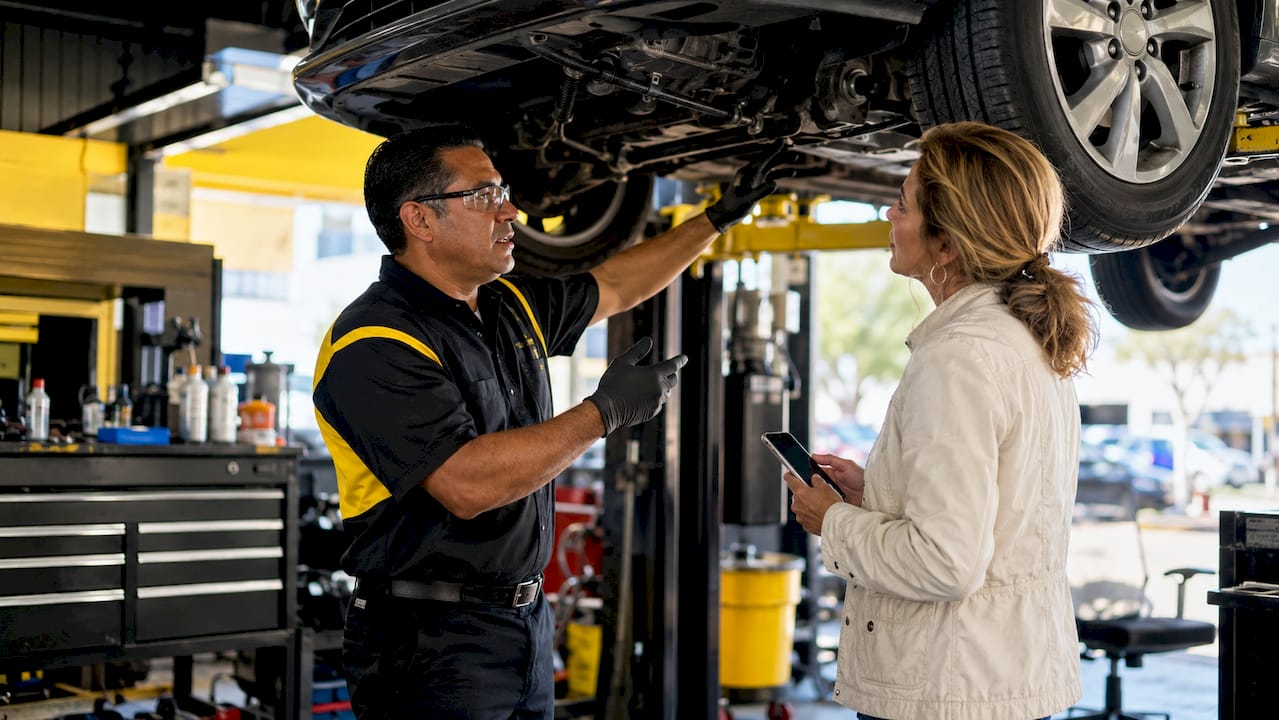
Your local auto shop selection checklist at a glance
Choosing the right shop comes down to eight non-negotiable checkpoints. Run through these before you hand over your keys.
- ASE certification verified: Look for the blue seal and confirm technicians hold current credentials. ASE certification confirms mechanics meet national competence standards, though it does not guarantee honesty or clear communication.
- Warranty in writing: A quality shop backs its work with at least 12 months or 12,000 miles on parts and labor. Get those terms documented before authorizing any repair.
- Written, itemized estimate: Request a breakdown of parts, labor, and diagnostic fees. Diagnostic fees typically run around $150, so knowing upfront prevents sticker shock.
- No red flags: A disorganized shop, evasive answers about costs, or pressure to approve repairs immediately are all warning signs worth taking seriously.
- Strong local reputation: Check Google reviews sorted by newest, scan BBB complaint records, and ask neighbors. Shops with zero complaints earn a “superior” quality rating from 86% of surveyed customers.
- Clean, organized workspace: A tidy shop signals disciplined work habits. Clutter in the bay often mirrors clutter in the process.
- Honest repair classification: Your mechanic should clearly separate what is safety-critical now from what can wait, letting you budget responsibly without sacrificing safety.
- Willingness to answer questions: A trustworthy shop welcomes your questions. Reluctance to explain is itself an answer.
What separates a good shop from a great one?
Certification matters, but communication matters more
ASE certification tells you a technician passed a rigorous exam, not that they will explain your brake wear in plain English. Evaluate both. Ask the service advisor to walk you through the diagnosis. If they fumble or deflect, that gap in communication is exactly where misdiagnosis and repeat repairs happen.
Pro Tip: Ask to speak directly with the technician who will work on your car. Studies show vehicle return rates for improper repairs drop by roughly one-third when customers deal with the technician rather than a service writer.
Pricing transparency and what “too cheap” actually means
Written estimates protect you legally and financially. Call at least three local shops to compare labor rates before committing. Watch the other end of the spectrum too: a $19.95 oil change is a signal, not a deal, because master technicians earn $25–$35 per hour and that price point rarely covers their time. Experienced automotive technicians command higher wages for good reason.
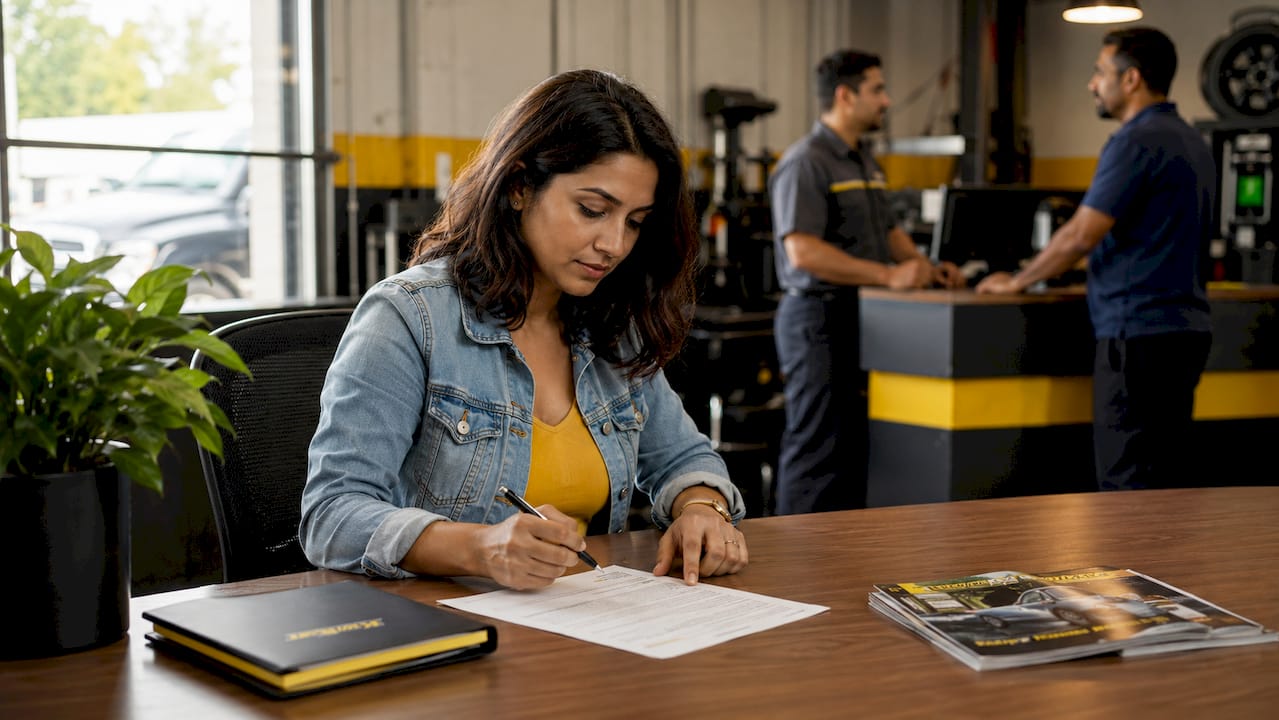
Trial runs build trust before the big repairs
Start with an oil change or tire rotation at any shop you are considering. Note how the staff treats your vehicle, whether they flag upcoming maintenance proactively, and how clearly they explain their findings. Testing a shop on minor services before trusting it with major repairs is one of the most reliable mechanic selection tips available.
Kwik Kar Oil Change & Auto Care in Richardson checks every box on this list. ASE-certified technicians, RepairPal recognition, CARFAX verification, transparent pricing, and special discounts for military and first responders make it a dependable choice for Richardson drivers. Book your service or explore certified technician credentials before your next visit.
Key Takeaways
A reliable local auto shop combines ASE certification, written warranty coverage for a substantial period on parts and labor, itemized estimates, and transparent communication to protect your vehicle and your budget.
| Point | Details |
|---|---|
| Verify ASE certification | Confirms technical competence, but always evaluate communication skills alongside credentials. |
| Demand written warranty | Minimum 12 months or 12,000 miles on parts and labor, documented before work begins. |
| Get itemized estimates | Diagnostic fees typically run about the cost of a half to an hour of labor; a written breakdown prevents unexpected charges. |
| Check reputation patterns | Shops with zero BBB complaints often earn a superior rating from most surveyed customers. |
| Trial run first | Test any shop with a minor service before authorizing major repairs. |
FAQ
What certifications should a local auto shop have?
Look for current ASE (Automotive Service Excellence) certification, which requires passing standardized exams and retesting every five years. BBB accreditation and RepairPal recognition add further credibility.
How do I spot red flags at an auto repair shop?
A messy workspace, vague or missing written estimates, pressure to approve repairs immediately, and reluctance to answer questions are all clear warning signs of a shop to avoid.
What warranty should a reputable auto shop offer?
A quality shop provides warranty coverage on parts and labor for at least 12 months or 12,000 miles. Get these terms in writing before authorizing any repair.
How can I tell if a repair is truly necessary?
Ask your technician to classify each item as safety-critical or recommended maintenance, and request written documentation. A trustworthy shop will explain urgency and cost implications without pressure.
Is a low-priced oil change a red flag?
It can be. Promotions priced below what experienced labor costs often indicate less skilled technicians are doing the work, which affects repair quality on your vehicle.