Let's get straight to the point: absolutely not. Asking "are all car batteries the same" is a bit like asking if all shoes are the same. Just as you wouldn't wear hiking boots to a black-tie event, your car needs a battery specifically designed for its make, model, and power demands.
Thinking any old battery will do is a common and surprisingly costly mistake. A car battery isn't just a generic box of electricity; it’s a vital component engineered to work perfectly with your vehicle's intricate electrical system. Using the wrong one can cause a whole host of problems, from sluggish performance and a shorter battery life to serious damage to your car's electronics.
Why Your Car Needs a Specific Battery

To really understand why batteries are so different, it helps to break it down. Think of it like putting together a sports team—you need athletes with specific skills for different positions. You wouldn't ask a long-distance runner to compete in a weightlifting competition. The same logic applies to your car's battery.
The Three Pillars of Battery Differences
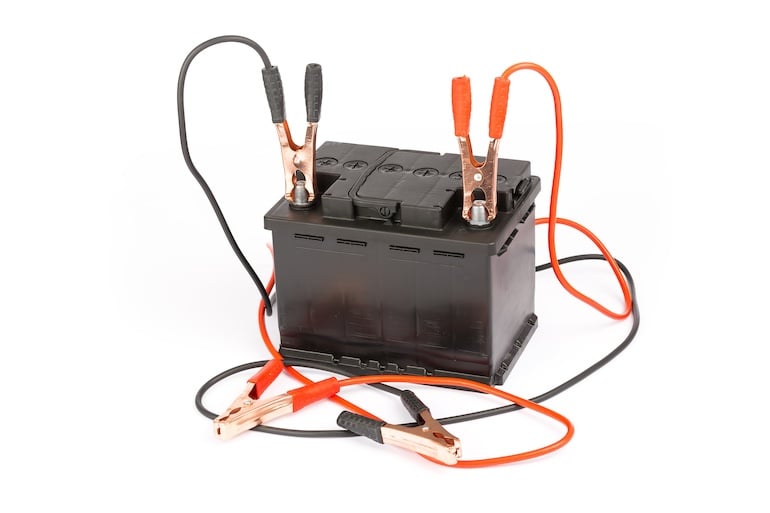
First up is battery chemistry. This is the fundamental technology inside the battery, and it dictates how it stores and delivers power. The two main players are traditional lead-acid and modern lithium-ion. They operate on completely different principles.
Lead-acid batteries are the tried-and-true workhorses, projected to hold a 53.5% market share by 2026 because they're reliable and affordable for most standard vehicles. On the other hand, lithium-ion batteries are expected to grab 55% of the revenue share, thanks to their lightweight design and long life, making them the go-to for electric vehicles (EVs). For a deeper dive, you can check out the full automotive battery market report.
Next, you have the physical size and terminal layout, known as the BCI Group Size. This is essentially the battery's "footprint." It determines the exact physical dimensions and where the positive (+) and negative (-) posts are located. If the size is wrong, it simply won’t fit securely in the battery tray. If the terminals are on the wrong side, your car's cables won't reach.
Finally, there are the performance ratings. Think of this as the battery’s "athletic ability." Key specs like Cold Cranking Amps (CCA) tell you how well it can start your engine in freezing temperatures, while Reserve Capacity (RC) measures how long it can power your electronics if the alternator gives out. A luxury SUV packed with modern tech needs a much "stronger" battery than a small, basic commuter car.
Key Takeaway: Choosing the right battery means matching its chemistry, physical fit, and power ratings to your car’s specific engineering. It’s a critical decision that directly affects your vehicle's reliability and safety.
At Kwik Kar in Richardson, our certified technicians live and breathe this stuff. We eliminate the guesswork and make sure your vehicle gets the exact battery it was designed for, protecting its electrical system and giving you peace of mind on the road.
Understanding Battery Chemistry: The Power Within
Now that we’ve established that car batteries aren't a one-size-fits-all deal, let’s get into what’s really going on inside—the battery’s chemistry. This is the core difference that shapes a battery’s performance, price tag, and how long it’ll last. It helps to think of it like comparing different athletes; each one is built for a specific event.
The chemistry inside a battery dictates how it creates, holds, and sends power to your car. You wouldn't ask a marathon runner to enter a weightlifting competition, and you can’t expect every battery to handle the needs of every vehicle. The answer to "are all car batteries the same?" gets a lot clearer when we look at these different "athletes" up close.
The Reliable Marathon Runner: Flooded Lead-Acid Batteries
The most traditional and common battery you'll find is the flooded lead-acid battery. This is the dependable marathon runner of the battery world—a reliable and wallet-friendly choice for many older or simpler vehicles. Inside, you’ll find lead plates submerged in a liquid electrolyte, which is a mix of sulfuric acid and water.
This simple, proven design has been a workhorse for decades. It delivers all the power needed for starting, lighting, and ignition (SLI) in cars without a ton of modern electronics. But just like a long-distance runner, it’s built for steady endurance, not explosive power, and it does need some occasional upkeep, like checking the electrolyte levels.
The Versatile Sprinter: Absorbent Glass Mat (AGM) Batteries
Next up is the Absorbent Glass Mat (AGM) battery, a more advanced member of the lead-acid family. Think of this one as a versatile sprinter. Instead of a free-flowing liquid, the acid is soaked up in fine fiberglass mats that are wedged tightly between the lead plates.
This clever design makes AGM batteries spill-proof, much more resistant to vibration, and able to handle serious electrical demands. They are the perfect match for modern cars loaded with power-hungry features, such as:
- Start-Stop Systems: These systems turn the engine off at red lights, meaning the battery has to fire up the engine dozens of times on a single trip.
- Advanced Driver-Assistance Systems (ADAS): Things like lane-keep assist, automatic braking, and blind-spot monitors are always drawing power.
- Large Infotainment Screens: Those big, bright touchscreens and beefy sound systems add to the electrical load.
Because of this, AGM batteries are now standard in most new vehicles. They can deliver quick bursts of energy and recharge much faster than the old flooded kind, making them ideal for the stop-and-go sprints of daily driving in a feature-packed car.
The High-Tech Triathlete: Lithium-Ion Batteries
Finally, we have the lithium-ion (Li-ion) battery, the high-tech triathlete of the bunch. You’ll mostly see these in electric vehicles (EVs) and hybrids because they are a completely different breed. They are much lighter, can hold way more energy, and last a lot longer than any lead-acid battery.
Li-ion batteries are power-dense and efficient, but their performance is governed by complex electronics. Crucial for optimizing battery performance and longevity, understanding what is battery management system highlights the sophisticated systems that govern modern battery packs.
Even with all this new tech, lead-acid batteries still handle the starting, lighting, and ignition duties in over 80% of non-EV vehicles worldwide. They’re cost-effective and hold up well in tough conditions, like our scorching Richardson summers. A traditional battery might last 3-5 years, while a lithium-ion pack can go for 8-15 years. You can learn more about how different factors affect how long a car battery should last in our detailed guide.
Meanwhile, advanced AGM batteries are already used in over 50% of new European cars with start-stop technology, effectively bridging the gap between the old and the new.
Decoding Battery Size and Terminal Fit
Beyond the complex chemistry happening inside, one of the biggest reasons you can't just grab any battery off the shelf is its physical shape and size. It’s not just about getting enough power; it’s about making sure the new battery fits perfectly in your car. Your vehicle has a specially designed battery tray, and the replacement has to slide into that spot just right, with its terminals in the correct position.
Think of it like trying to fit the wrong puzzle piece into a spot. You can't force it. If a battery is too small, it will rattle around in the tray, which can cause internal damage and drastically shorten its life. If it’s too large, well, it simply won’t go in at all.
Understanding the BCI Group Size
To avoid this guesswork, the automotive industry created a standard sizing system called the BCI Group Size. This code, established by the Battery Council International, clearly defines a battery's exact physical dimensions—its length, width, and height.
More importantly, the group size also dictates the terminal configuration. This tells you whether the positive (+) and negative (-) posts are on the top or the side of the battery, and exactly where they are located. This detail is absolutely critical because your car’s battery cables have a fixed length and are meant to connect to terminals in a very specific layout.
Critical Fitment: An incorrect Group Size can mean the battery cables won't reach the terminals. Even worse, if the terminal positions are reversed, connecting the cables could create a dangerous short circuit and potentially fry your car’s sensitive computer systems.
Why Terminal Placement Matters
A mismatched terminal layout isn't just an inconvenience—it's a major safety risk. Forcing cables to stretch or twist to reach the wrong side can damage them over time, leading to a weak connection and unreliable starts. If a positive cable is routed incorrectly and accidentally touches the car’s metal frame, you’re looking at sparks and potential system-wide electrical failure.
- Cable Reach: Terminals on the wrong side of the battery might be too far for your factory cables to connect securely.
- Secure Connection: The right fit ensures the battery hold-down clamp can do its job, preventing movement and damaging vibration.
- Short Circuit Risk: Reversed terminals dramatically increase the chance of the positive post making accidental contact with the vehicle's metal chassis.
This is why we see different battery types, each designed for a specific job, much like different athletes are trained for different sports.

Just as you wouldn't ask a marathon runner to be a weightlifter, each battery’s physical design is tailored for a specific type of vehicle and the demands it will face.
At Kwik Kar, our ASE-certified technicians never guess. We use vehicle-specific databases to look up the exact BCI Group Size your car requires. This guarantees that the new battery will not only provide the right power but will also fit securely and connect safely, protecting your vehicle's entire electrical system. It's this careful attention to detail that is a core part of providing reliable, professional service.
Making Sense of Battery Performance Numbers
So, you’ve sorted through battery chemistries and figured out the right physical size. But what about all those numbers and abbreviations printed on the label? It can look like a secret code, but it’s really just a report card on the battery's performance.
Think of it this way: if chemistry is the type of athlete and group size is their uniform, these performance specs are their stats. They tell you exactly what that battery can do when it counts. Let's break down the three most important numbers you’ll see.
The Power Hitter: Cold Cranking Amps (CCA)
The most common number you'll find is Cold Cranking Amps (CCA). This is a battery’s one-rep max lift—a single, massive burst of power. Specifically, CCA measures the battery's ability to start your engine in freezing temperatures (0°F or -18°C).
This rating is non-negotiable. Your car's manufacturer specifies the minimum CCA needed to reliably crank the engine, especially when cold, thick oil makes it sluggish. While winters in Richardson, Texas, aren't typically brutal, temperatures can still drop enough to make a weak battery give up. Going below the recommended CCA is just asking for a car that won't start on a chilly morning.
On the other hand, choosing a battery with a higher CCA rating is perfectly fine. It just gives you an extra buffer of starting power, but you should never go lower than what’s recommended.
Key Insight: CCA is the measure of a battery's starting power in the cold. Always meet or exceed your vehicle manufacturer’s minimum CCA requirement to ensure reliable starts, no matter the weather.
The Endurance Runner: Reserve Capacity (RC)
Next up is Reserve Capacity (RC), which is measured in minutes. Think of this as an emergency power bank for your car. RC tells you how long a fully charged battery can run your vehicle’s essential electronics (lights, ignition, fuel pump) if your alternator suddenly fails.
This spec has become more and more important as cars have gotten more complex. A higher RC gives you a bigger safety window to pull over safely or get to a repair shop like Kwik Kar before the car shuts down completely. For example, a battery with an RC of 120 minutes provides two full hours of emergency power—a critical lifeline for today’s tech-heavy vehicles. Our guide to the car battery voltage chart explains how your battery's voltage reflects its remaining charge.
The Fuel Tank: Amp Hours (Ah)
Finally, we have Amp Hours (Ah). This number tells you the total size of the battery's "energy tank." It measures the battery's ability to provide a steady amount of power over a long time. A 100 Ah battery, for instance, could theoretically supply 5 amps of current for 20 hours.
While CCA is all about that quick burst, Ah is about long-term energy storage. This is especially important for:
- Vehicles with start-stop systems that power electronics while the engine is off at a light.
- Cars loaded with aftermarket gear like big sound systems or extra lights.
- Anyone who uses their car's electronics for long periods while parked.
To help put it all together, here’s a quick breakdown of what these specs mean for you and your car.
Battery Spec Breakdown: What the Numbers Mean
| Metric | What It Measures | Why It Matters for Your Car |
|---|---|---|
| Cold Cranking Amps (CCA) | The battery's ability to start an engine at 0°F (-18°C). | This is your starting power. A higher number means more reliable starts in cold weather. Always meet or exceed your car's requirement. |
| Reserve Capacity (RC) | How many minutes the battery can run essential electronics if the alternator fails. | This is your safety net. A higher RC gives you more time to get to safety if your charging system dies while driving. |
| Amp Hours (Ah) | The battery's total energy storage capacity over time. | This is your overall "fuel tank." It’s crucial for vehicles with lots of electronics or start-stop technology. |
Together, these three numbers give you a complete picture of what a battery can do. They’re the reason you can’t just grab any battery that fits—you have to match its "athletic stats" to what your vehicle truly needs.
Spotting the Warning Signs of a Failing Battery

A dead car battery almost never happens out of the blue. Your battery will usually drop some pretty clear hints that it's on its way out long before it completely fails. Learning to recognize these clues is your best defense against getting stranded with a car that refuses to start.
Most drivers only pay attention to their battery when the engine won't turn over, but the real warnings often start weeks, or even months, beforehand. If you pay close attention to how your car is acting, you can catch a weak battery before it leaves you looking for a jump-start.
The Slow Crank and Dimming Lights
The most common sign of a dying battery is a slow or sluggish engine crank. When you turn the key or push the start button, just listen. Does the engine sound weak or tired, like it's struggling to turn over? That tell-tale "rur-rur-rur" sound is the battery having a hard time delivering the big jolt of power the starter motor needs.
Another classic symptom is dimming lights. Take a look at your headlights or the interior dome light when you fire up the engine or turn on the A/C. If they dim for a moment, it’s because the weak battery can't keep up with the sudden electrical demand, causing a temporary voltage drop throughout your car.
These signs mean the battery is losing its ability to hold a proper charge and supply power when needed. For Richardson drivers, this is where having the right battery becomes critical. With passenger cars projected to hold 52.9% of the market by 2034 and the lithium-ion sector valued at USD 41.45 billion, battery technology is advancing quickly. But here's a startling fact: industry data shows that a whopping 50% of premature battery failures are caused by installing a battery with the wrong specs for the vehicle. You can explore more data on the evolving car battery market to see why a perfect match is so important.
Dashboard Warnings and Strange Smells
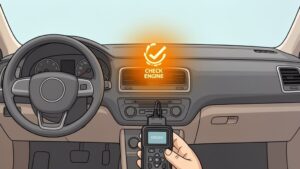
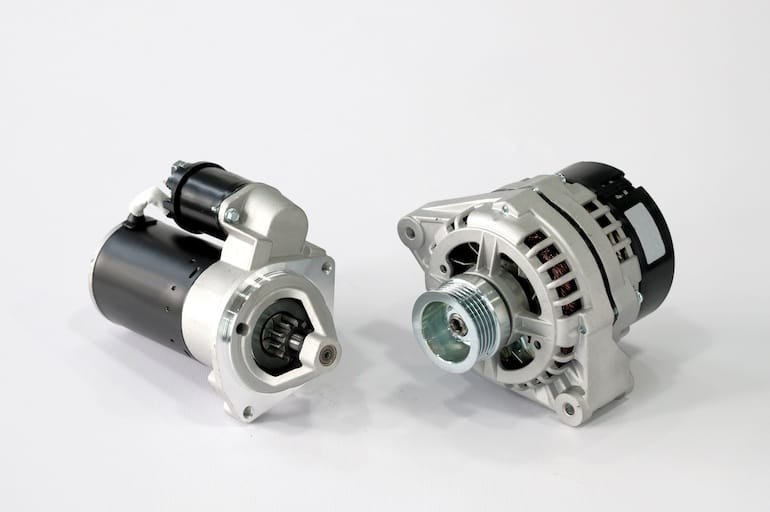
Modern cars make it even easier to spot a problem by flashing a warning light right on your dashboard. While a check engine light can mean a lot of different things, a dedicated battery light is a direct signal that your car's charging system needs immediate attention. Don’t ignore it—it could mean your alternator isn't recharging the battery as you drive.
In some cases, you might even notice physical signs of trouble:
- A Rotten Egg Smell: This distinct sulfur smell coming from under the hood means the battery is overheating and leaking gas. This is a serious problem that needs a professional look-over right away.
- Corrosion on Terminals: That white or bluish, crusty stuff building up on the battery posts can block the flow of electricity. While you can sometimes clean it off, heavy corrosion often points to an old battery that’s on its last legs.
Key Takeaway: A standard lead-acid battery typically only lasts 3-5 years, especially in the Texas heat. The best way to avoid getting stranded is to be proactive about testing. You can learn the basics with our guide on how to test a battery with a multimeter, but for a definitive answer, nothing beats a professional check.
If you notice any of these signs, don't put it off. The team here at Kwik Kar in Richardson offers free battery health checks. We can quickly test your battery’s performance and tell you exactly how much life it has left, giving you total peace of mind on the road.
Your Step-By-Step Guide to Choosing the Right Battery
Walking into an auto parts store and seeing a wall of car batteries can be overwhelming. They all look similar, but picking the wrong one can leave you stranded or, even worse, damage your car's sensitive electronics. But don't worry—choosing the right battery isn't as complicated as it seems.
By following a clear, logical process, you can confidently find a replacement that's a perfect match for your car, your local climate, and how you drive. Let's break down the process into a simple, actionable guide.
Step 1: Start with Your Owner’s Manual
Your first stop should always be your vehicle's owner's manual. This book is the definitive guide from the engineers who designed your car, and it contains the exact original equipment manufacturer (OEM) battery specifications.
Inside, you'll find a few critical pieces of information:
- BCI Group Size: This is the most important spec. It dictates the battery's physical dimensions and where the positive and negative terminals are located. Get this wrong, and the battery simply won't fit.
- Cold Cranking Amps (CCA): The manual will list the minimum CCA rating your car needs to start reliably, especially in cold weather.
- Battery Type: For many modern cars, the manual will specify if you need an AGM battery or if a standard flooded battery is acceptable.
Starting with the manual takes all the guesswork out of the equation. It gives you the baseline requirements to ensure any battery you look at will physically fit and have enough power to do its job.
Step 2: Consider Your Climate and Driving Habits
Next, it’s time to think about your specific situation. Here in Richardson, Texas, the intense summer heat is a battery killer, often causing them to fail much faster than in cooler parts of the country. Your daily driving routine also makes a huge difference.
Do you mostly take short trips around town, with lots of starting and stopping? This kind of driving is tough on a battery because the alternator doesn't have enough time to fully recharge it. Or is your daily commute a long highway drive that keeps the battery charged up? Answering these questions helps you decide if you should look for a battery that’s a step up from the minimum OEM specs.
For drivers in hot climates like ours or for those who make frequent short trips, investing in a battery with a higher Reserve Capacity (RC) is a smart move. It provides an extra buffer of power and can lead to a longer service life.
Step 3: Match the Critical Specifications
With the info from your manual and an understanding of your driving needs, it's time to find a match. This part is all about precision—a mismatch here can lead to anything from poor performance to expensive electrical problems.
- Confirm the Group Size: Double- and triple-check that the new battery's group size is identical to the one you're replacing. The physical fit and terminal layout must be an exact match.
- Meet or Exceed the CCA: You should never buy a battery with a CCA rating lower than what your manual recommends. However, choosing a battery with a higher CCA rating is perfectly fine. In fact, it gives you an extra margin of safety for reliable starts.
- Upgrade to AGM If Necessary: This one is non-negotiable. If your car came with an AGM battery from the factory, you must replace it with another AGM. For older cars, if you've added power-hungry accessories like a high-end sound system, off-road lights, or a winch, upgrading from a standard flooded battery to an AGM is a great way to handle the extra electrical load.
Step 4: Get It Installed by a Professional
This final step has become more critical than ever. On an older car, swapping a battery was a straightforward 15-minute job. On a modern vehicle, it's a completely different story. Today’s cars are rolling computers, and the battery is at the heart of their complex electrical systems.
Many new vehicles are equipped with a Battery Management System (BMS), which monitors the battery's health and controls the charging rate. When you install a new battery, this system has to be reset or recalibrated. If this crucial step is skipped, the car's computer might not "know" a new battery is installed and could continue charging it as if it were an old, degraded one. This can lead to overcharging, which will kill your new battery in a fraction of its expected lifespan and could even void your vehicle’s warranty.
Opting for professional installation at a trusted shop like Kwik Kar is the best way to protect your investment. Our ASE-certified technicians have the diagnostic tools and vehicle-specific procedures to install the battery correctly, reset the BMS, and ensure all your car’s sophisticated systems are functioning as designed. We also handle the proper disposal of your old battery. It’s the ultimate peace of mind.
Frequently Asked Questions About Car Batteries
Even after breaking down all the details, it’s normal to have a few questions left. The world of car batteries can get surprisingly complex, and we see drivers come in with the same handful of concerns every day. This section is here to give you quick, clear answers to the most common questions we hear.
We put these together to tackle those practical, real-world concerns and clear up any lingering confusion. The goal is to drive home the main point: not all car batteries are the same, and choosing the right one is critical.
Can I Use a Battery With a Higher CCA Rating?
Yes, and in many cases, it’s a smart move. Installing a battery with a higher Cold Cranking Amp (CCA) rating than the manufacturer’s minimum is perfectly safe. Think of it as having a little extra starting power in the bank for those unexpectedly cold mornings.
What you should never do is install a battery with a lower CCA rating than what your car’s manufacturer recommends. It might not have enough juice to reliably turn the engine over, which is a great way to get stranded. Always make sure the physical size (Group Size) and terminal layout are correct first, then meet or beat the recommended CCA.
Do Start-Stop Cars Really Need a Special Battery?
They absolutely do. Cars with automatic start-stop technology are incredibly demanding on their batteries. The engine restarts over and over again during a single drive, a cycle that would chew through a conventional battery in no time.
These vehicles require either an Enhanced Flooded Battery (EFB) or an Absorbent Glass Mat (AGM) battery. They are built specifically to handle the deep, repetitive power demands of a start-stop system. If you put a standard battery in one of these cars, it’s going to fail—sometimes in just a few months—and can even cause problems with the car’s sensitive electronics.
Expert Insight: The average lead-acid battery is good for 3-5 years, but that lifespan plummets in a start-stop vehicle if you use the wrong type. The constant restarting accelerates wear and tear, which is exactly why matching the battery’s technology to your car is non-negotiable.
How Does Extreme Heat Affect My Battery Life?
This is something a lot of people get backward. It’s actually hot weather, not cold, that’s the real killer for car batteries. The high temperatures we see here in Richardson, TX, accelerate the chemical reactions inside the battery. This causes two big problems: the internal lead plates corrode much faster, and the water in the electrolyte solution evaporates.
This internal damage can slash a battery's lifespan. A battery that might last five years in a cooler climate could give up after just three years in the intense Texas heat. It’s precisely why getting your battery’s health checked regularly is so important in our area.
What Happens if I Install the Wrong Size Battery?
Using the wrong BCI Group Size is asking for trouble and can cause a few serious issues. If the battery is too small for the tray, it’s going to vibrate and shake around as you drive. That vibration can damage the internal components, short out the plates, or even crack the battery case and leak acid.
If the battery is too big, it simply won't fit. More importantly, an incorrect group size often means the positive and negative terminals are in the wrong spots. This might prevent the battery cables from reaching, lead to a poor connection that affects performance, or create a dangerous situation where the positive terminal shorts out against the hood or frame. While the main battery gets the engine going, other small batteries are just as vital. For instance, a dead key fob can leave you unable to even get in your car. If you're running into that issue, you can find helpful info on car key fob battery replacement.
Still have questions or feel unsure about which battery is the right choice for your vehicle? Let the experts at Kwik Kar Oil Change and Auto Care take the guesswork out of it for you. Our ASE-certified technicians can test your current battery, find the perfect replacement, and handle the professional installation to protect your car’s electrical system. Schedule your service today and drive with confidence.