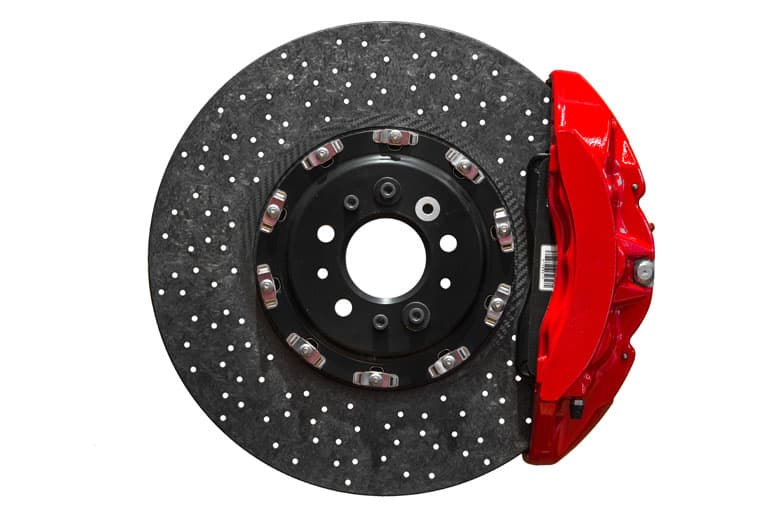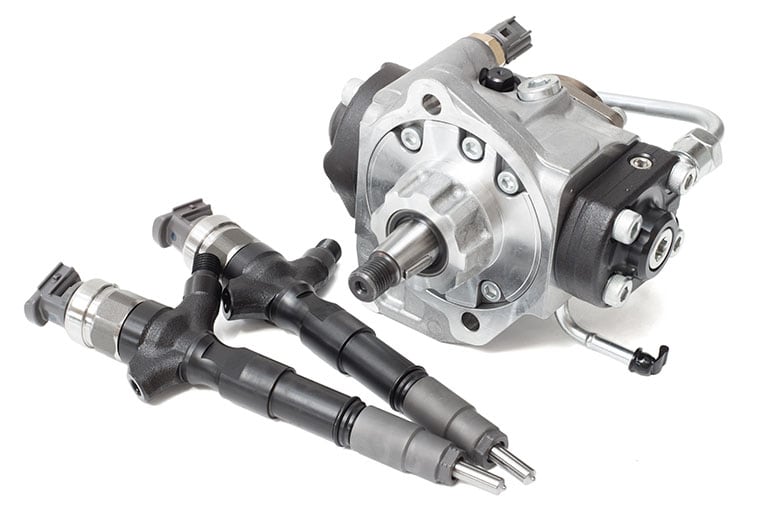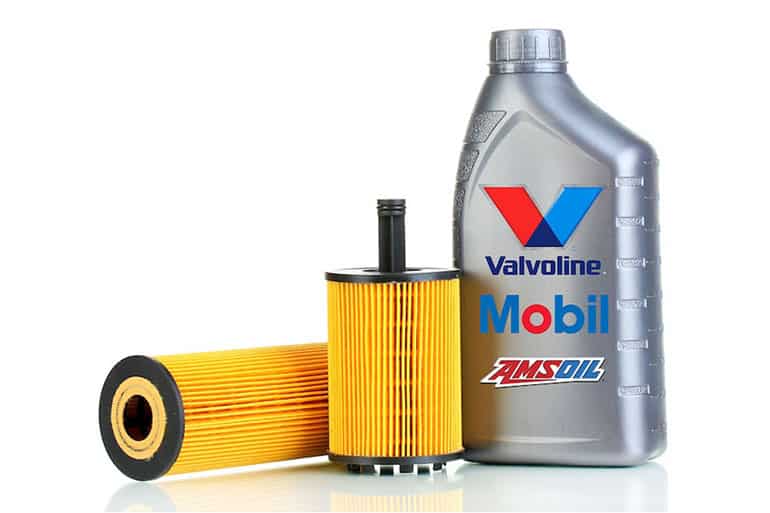
An auto fluid change is simply the process of draining out old, tired liquids from your car's most important systems and refilling them with fresh, clean fluid. It’s like a detox for your vehicle, making sure everything from the engine to the brakes is working at its best.
Your Vehicle’s Lifeline: The Importance of Auto Fluid Changes
Think of your car’s fluids as its lifeblood. Just like our bodies need to stay hydrated with clean water, your car depends on a whole host of specialized liquids to keep running smoothly. This is about so much more than a simple oil change; it's a critical maintenance routine for nearly every major part of your vehicle.
These fluids are the unsung heroes working hard behind the scenes. They’re lubricating moving parts to stop them from grinding together, pulling heat away from your engine to prevent overheating, and creating the hydraulic force you need to steer and stop safely. Without them, your car would grind to a halt in no time.
Why Fluid Maintenance Matters for Richardson Drivers
For anyone driving around Richardson—whether you're a daily commuter, a busy parent, or the owner of a high-mileage workhorse—staying on top of fluid maintenance is the smartest thing you can do for your car's reliability. Putting it off is a big gamble that can easily lead to a breakdown and a massive repair bill.
Regular fluid changes help you:
- Extend Vehicle Lifespan: Fresh, clean fluids drastically cut down on wear and tear for expensive parts like your engine and transmission.
- Improve Performance and Safety: When your brake and power steering fluids are fresh, your car responds instantly, just like it should.
- Prevent Costly Breakdowns: Taking care of fluid issues early on keeps minor problems from snowballing into catastrophic mechanical failures.
The reality is that skipping fluid changes can slash an engine's life by as much as 40%. This is why a significant majority—70% of drivers—now prefer professional "Do It For Me" services over DIY, recognizing the complexity of modern cars and the high cost of a mistake.
There's a reason the auto service industry is booming. The U.S. oil change market was valued at USD 8.11 billion in 2024 and is projected to climb to USD 11.31 billion by 2030. This growth is directly tied to the fact that Americans are holding onto their cars longer than ever, with the average vehicle on the road now being 12.5 years old. You can explore more about these industry trends and see what they mean for car owners like you.
Here at Kwik Kar of Richardson, we want to be your partners in keeping your vehicle on the road for the long haul. Our ASE-certified technicians, backed by our CARFAX and RepairPal certifications, bring dealership-level skill with the personal touch of a neighborhood shop. We know what Richardson roads demand from a vehicle, and we're here to make sure yours stays safe and dependable.
The Seven Essential Fluids Keeping Your Car Running Smoothly
If you think about it, your car is a marvel of engineering, with countless systems working in harmony. What keeps them all going? A handful of specialized fluids, each acting as the lifeblood for a critical component. An auto fluid change isn’t a single task; it’s a series of precise services tailored to these individual systems.
Getting a handle on what each fluid does is the best way to understand why keeping them fresh is so crucial for your car's health, performance, and long-term reliability here in Richardson. Let's walk through the seven essential fluids that keep everything from your engine to your brakes running just as they should.
The connection between regular maintenance, like a fluid change, and your car's overall well-being is undeniable. A healthy car simply performs better, and a well-performing car will last much longer, giving you far more value and peace of mind.

Engine Oil The Ultimate Lubricant
Engine oil is easily the most famous fluid in your car, and for good reason. It forms a thin, protective barrier over hundreds of moving parts, preventing the intense friction of metal-on-metal contact. It’s what stops your engine's pistons, bearings, and camshafts from grinding themselves to a halt.
But its job doesn't stop there. Engine oil also acts as a cleaning agent, carrying away tiny metal shavings and carbon deposits. It cools vital components by absorbing heat and even prevents rust and corrosion from forming inside the engine.
Signs an Oil Change is Needed:
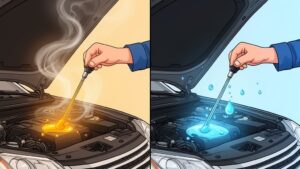
- The oil on the dipstick looks dark, thick, or feels gritty.
- Your "Check Engine" or oil pressure warning light is on.
- You hear distinct knocking or ticking sounds coming from the engine.
- The oil level on the dipstick is consistently low.
Ignoring an oil change is a massive financial gamble. An estimated 43% of all engine failures trace back to poor fluid maintenance, leading to devastating repair bills that can easily top $4,000. It's no wonder the global automotive engine oil market was valued at USD 43.47 billion in 2024 and is projected to hit USD 55.73 billion by 2029, as modern engines demand higher-quality protection.
Transmission Fluid The Gear Shifter
This is the hydraulic fluid that makes gear shifts happen, lubricates all the intricate moving parts inside your transmission, and helps keep the whole unit from overheating. Whether your car is an automatic, a manual, or has a continuously variable transmission (CVT), this fluid is absolutely critical for smooth driving.
When transmission fluid gets old and breaks down, it loses its ability to lubricate properly. This quickly leads to rough shifting, hesitation, and eventually, total transmission failure—one of the most expensive repairs you can face as a car owner.
Signs of Trouble:
- You feel a jolt, hesitation, or delay when the car shifts gears.
- A grinding or high-pitched whining noise occurs during operation.
- The fluid on the dipstick is dark brown or has a burnt smell.
- The engine revs up, but the car doesn't accelerate as it should (slipping gears).
For vehicles with a CVT, the fluid requirements are highly specific. Using the wrong type can cause serious damage. If you suspect issues, it's wise to get an expert opinion. You can learn more about CVT fluid change requirements in our detailed guide.
Coolant Your Car’s Temperature Control
Coolant, often called antifreeze, is the star of your car's cooling system. It constantly circulates through the engine and radiator to pull away excess heat, preventing your engine from overheating in the Texas summer heat and from freezing up during a cold snap.
Modern coolant is also packed with additives that prevent rust, corrosion, and scale from building up in the cooling system's narrow passages. Once that coolant degrades, those protective qualities fade, leaving your engine vulnerable to extreme temperatures and internal damage.
When to Check Your Coolant:
- Your engine’s temperature gauge is always creeping into the hot zone.
- You spot a puddle of bright green, pink, or orange liquid under your car.
- The coolant in the overflow reservoir looks rusty, cloudy, or has debris floating in it.
Brake Fluid The Power to Stop
Brake fluid is a special hydraulic fluid that takes the force from your foot on the pedal and transfers it to the brakes on each wheel. It has to perform under incredible pressure and heat. Crucially, it's also hygroscopic, meaning it naturally absorbs moisture from the air over time.
This water contamination lowers the fluid's boiling point, which can cause a dangerously soft or "spongy" brake pedal and severely reduce your stopping power. The moisture also promotes internal corrosion in expensive parts like brake lines and calipers.
Power Steering Fluid Effortless Turning
If your car has a hydraulic power steering system, this fluid is what makes turning the steering wheel feel so easy. A pump pressurizes the fluid, which then provides the assistance you feel when you turn the wheel.
When power steering fluid gets old and contaminated with gunk, it can wear out the pump and steering rack. The first tell-tale sign is often a groaning or whining sound when you turn, or if steering suddenly feels heavy and difficult.
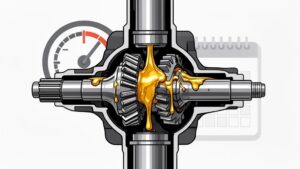
Differential and Transfer Case Fluid The Drivetrain Protectors
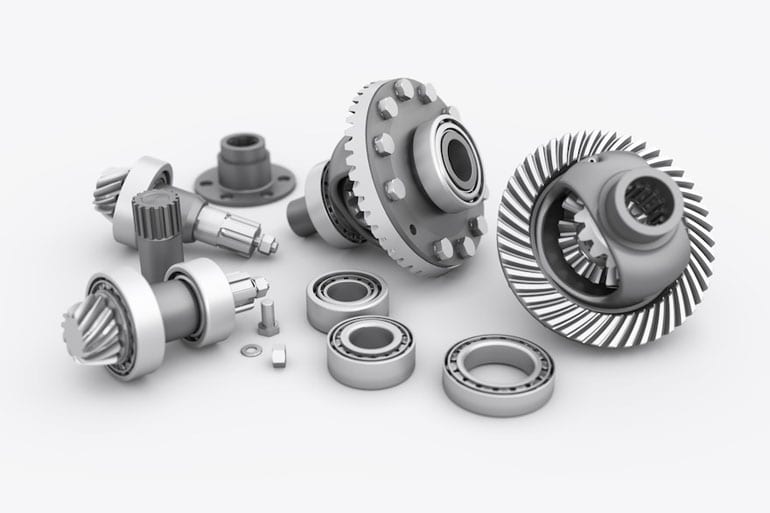
For any vehicle that isn’t front-wheel drive, these fluids are vital. Differential fluid lubricates the complex gears that let your drive wheels spin at different speeds when you make a turn. In four-wheel and all-wheel-drive vehicles, transfer case fluid lubricates the system that distributes power between the front and rear axles.
Skipping a fluid change here can lead to loud whining or howling noises from under the car and, ultimately, a very expensive drivetrain failure.
Windshield Washer Fluid The Visibility Expert
While it isn't a mechanical fluid, you can't overstate the importance of good old washer fluid for your safety. It lets you instantly clear away the dirt, bugs, and road grime that can suddenly block your view on Richardson roads.
Keeping the reservoir full is one of the easiest and most important things you can do for safe driving. A quick top-off ensures you’re always ready for whatever the road throws at your windshield.
DIY Fluid Changes Versus Professional Service

When your car needs a fluid change, it’s tempting to think about rolling up your sleeves and tackling the job yourself. The appeal of saving a few dollars is strong, but it's important to weigh that against the real-world challenges and risks. Let’s take an honest look at both sides of the coin.
The Realities Of A DIY Auto Fluid Change
Going the Do-It-Yourself route can feel empowering, and for simple jobs like topping off washer fluid, it's a no-brainer. However, when you get into services like a transmission fluid exchange or brake fluid bleed, the complexity ramps up fast.
The first hurdle is usually the equipment. A proper fluid change often requires more than what’s in a basic wrench set. You may find yourself needing specialized tools like:
- Fluid extractors or pumps: These are essential for cleanly removing old fluid from sealed systems like transmissions or differentials.
- Torque wrenches: Every drain plug and pan bolt has a specific torque setting. Over-tightening can strip the threads and cause a costly leak, while under-tightening could lead to the plug falling out entirely.
- Diagnostic scan tools: Many modern cars require a scan tool just to monitor transmission temperature for an accurate fluid level check.
Beyond the tools, there’s the very real risk of using the wrong type of fluid. Today’s cars are incredibly specific; using a "universal" fluid where a manufacturer-specific one is required can cause permanent damage to your transmission or cooling system. Cross-referencing part numbers to make sure you have the exact fluid for your vehicle's VIN can be a stressful chore.
And then there's the cleanup. Used automotive fluids are classified as hazardous waste and can't just be tossed in your regular trash. You are legally required to transport and dispose of them at a certified collection center, adding an extra, inconvenient step to your weekend project.
The Kwik Kar Advantage Professional Service
Choosing a professional service at Kwik Kar Richardson turns a potentially messy and risky job into a simple, worry-free experience. The value you get goes far beyond just swapping out the fluid; it’s about the peace of mind that comes from knowing the job was done right, guaranteed.
When you bring your car to our shop, you get a team of ASE-certified technicians. Our experts aren't just following a video tutorial; they have the training and hands-on experience to service your car’s complex systems correctly and efficiently, every single time.
We also use precision diagnostic equipment to ensure every step meets exact manufacturer specifications. This is especially important for today’s cars, where vehicle complexity has skyrocketed. With turbo engines now in 60% of new cars, high-performance fluids that can resist temperatures up to 300°C are a must. Even as online sales for automotive fluids grow, professionals still handle 75% of all changes because accuracy is everything.
Peace Of Mind Is The Ultimate Benefit
Ultimately, the choice comes down to what you value most. A DIY fluid change might save a little money upfront, but it costs you time, introduces risk, and leaves you with the responsibility of cleanup and proper disposal. For busy Richardson drivers, the benefits of professional service are clear.
- Guaranteed Correct Fluids: We take the guesswork out of it by using only OEM-spec fluids that are right for your car.
- Comprehensive Vehicle Check: Every service includes a complimentary vehicle inspection, where we can spot potential issues before they become major problems. If you're not sure what to look for, our guide on how to check car fluids is a great place to start.
- Efficiency and Convenience: We can perform a full fluid service in a fraction of the time it would take in a home garage.
With the average vehicle on the road now 12.5 years old, professional fluid changes can extend a car's life by 50,000 miles and slash repair bills by 30%. Choosing Kwik Kar means choosing confidence.
Understanding Your Auto Fluid Change Costs
Trying to budget for car maintenance can sometimes feel like you're aiming at a moving target. But figuring out the cost of an auto fluid change in the Richardson area doesn't need to be so complicated. The price for these essential services really boils down to a few key things, making sure the cost matches exactly what your car needs.
The final number on your bill directly reflects what it takes to get the job done right. It's a lot like ordering a custom piece of furniture versus one from a flat-pack box—the specific materials and labor involved set the price. For your car, this means the cost is based on its make and model, the kind of fluid it requires, and how complex the service actually is.
Key Factors That Influence Price
It makes sense that a straightforward oil change on a popular sedan is going to cost less than a full transmission fluid flush on a high-end European SUV. Different vehicles and services simply require different resources.
- Vehicle Make and Model: High-performance, luxury, or heavy-duty vehicles often need specialized, more expensive fluids. Their systems can also be more labor-intensive to get to. For instance, some newer transmissions don't even have a dipstick, which makes checking and filling the fluid a much more involved process.
- Type of Fluid: There's a real cost difference between conventional oil and a top-tier full synthetic. The same goes for specialized transmission fluids (like CVT or dual-clutch fluids) or advanced coolants, which cost more than their standard counterparts.
- Service Complexity: A simple drain-and-fill is quite different from a complete fluid flush. A flush service uses special equipment to exchange over 95% of the old, contaminated fluid with new, clean fluid. It’s a far more thorough service, and the price reflects that.
At Kwik Kar, we believe you should never be in the dark about costs. We always provide clear, upfront estimates before we touch your vehicle, so you know exactly what to expect. No hidden fees, no surprise charges—just honest work at a fair price.
Typical Cost Ranges for Fluid Services
While every car is different, it helps to have a general idea of what to plan for. If you're looking for a deep dive on a specific service, our guide on how much a transmission fluid change costs is a great resource.
Here’s a quick look at some typical price ranges you might see:
- Full Synthetic Oil Change: Usually lands somewhere between $75 to $125, depending on your engine's oil capacity and the specific oil required.
- Transmission Fluid Flush: As a more involved service, this typically costs between $200 and $400.
- Brake Fluid Exchange: This is a critical safety service that generally falls in the $100 to $180 range.
- Coolant Flush: Expect this to be anywhere from $150 to $250, based on the type of coolant and the size of your cooling system.
Our Commitment to the Community
Investing in preventative maintenance with a professional auto fluid change is one of the smartest things you can do for your vehicle. It’s how you prevent the small issues from turning into catastrophic failures that bring repair bills in the thousands.
As a proud member of the Richardson community, we at Kwik Kar are honored to give back to the heroes who serve us every single day. We offer exclusive discounts for active and veteran military members, first responders, and healthcare providers. It’s just our small way of saying thank you for everything you do.
Responsible Fluid Handling For A Safer Community

Getting an auto fluid change does more than just keep your car running smoothly—it’s a major part of protecting our local environment and community. Used automotive fluids, from motor oil to old brake fluid, aren’t just dirty; they are officially classified as hazardous waste, and for very good reason.
As these fluids circulate through your vehicle, they pick up a nasty cocktail of heavy metals and toxic chemicals. Simply pouring them down a storm drain or tossing them in your regular trash bin is not only illegal but also incredibly damaging. Think about this: a single gallon of used oil can contaminate up to one million gallons of fresh water, which is a direct threat to our local water sources and wildlife.
The Risks Of Improper Disposal
When you decide to do a DIY fluid change, you also take on the full responsibility of handling that hazardous waste. It’s a messy job, and spills can easily happen, potentially damaging your driveway or harming pets and local animals that might come into contact with it.
On top of that, you are legally required to transport and dispose of these fluids at a designated collection facility. Improper disposal isn’t just an environmental problem; it can hit your wallet hard with significant fines. For Richardson residents, letting a professional service at Kwik Kar handle it takes the burden completely off your shoulders, ensuring every last drop is managed according to strict environmental laws.
Choosing a professional auto service is the most eco-friendly decision you can make. It protects our community by ensuring hazardous materials are recycled or disposed of correctly, preventing them from ever entering our local ecosystem.
Safety First When Handling Fluids
Even if you have the best intentions, accidents can and do happen. Automotive fluids are irritants that can cause skin rashes or even more serious health problems with repeated exposure. If you're handling these fluids at home for a quick top-off or a small job, always put your safety first.
Essential Safety Gear:
- Nitrile Gloves: These are a must to protect your skin from direct contact with toxic chemicals.
- Safety Glasses: A simple pair can shield your eyes from an accidental splash, especially when you’re working underneath your vehicle.
- A Well-Ventilated Area: Always work outdoors or in a garage with the door wide open to avoid breathing in any harmful fumes.
Having a good cleanup plan is also critical. For tips on choosing and using the right oil spill pads, you can find great resources to help you manage any potential messes safely and effectively.
Here at Kwik Kar, our ASE-certified technicians come prepared with all the right tools and protective equipment to perform every fluid change cleanly and safely. We take care of the entire process, from draining the old, contaminated fluids to making sure they get to our certified recycling partners. This professional approach guarantees your car's maintenance is both effective and responsible, helping create a cleaner, safer Richardson for all of us.
Drive Confidently With Kwik Kar Richardson
Taking care of your car shouldn't feel like a guessing game. After reading this guide, you now know that a regular auto fluid change isn't just a suggestion—it’s absolutely essential for your vehicle's health, safety, and longevity on the demanding Richardson roads. It’s time to swap that uncertainty for proactive, professional care.
Think of it like this: your car is an incredibly complex machine, and its fluids are the lifeblood keeping every part working together. From the engine oil that prevents catastrophic friction to the brake fluid that gives you confident stopping power, each liquid serves a critical purpose. Putting off service is a gamble that rarely pays off, often leading to breakdowns and repair bills that could have easily been avoided.
The Kwik Kar Promise
Here at Kwik Kar of Richardson, we believe in making auto care simple and transparent. Our promise is to give you dealership-level expertise with the friendly, honest service you’d expect from a local shop you can actually trust. You don’t need to be an expert on fluid specs or service schedules—that’s our job.
Stop guessing about your vehicle’s health. Let our ASE-certified technicians provide the clarity and service you need to drive with complete peace of mind, knowing your car is in the most capable hands.
We’ve built our reputation on trust, top-tier quality, and a genuine commitment to our neighbors in the community. We get it; your time is valuable and your car is a huge investment. That’s why we’re laser-focused on doing the job right the first time, using the correct fluids and best practices for your specific make and model.
Take Action Today
Don’t wait for a dashboard light or a strange noise to signal that a problem has already started. Preventative maintenance is always the smartest and most affordable way to protect your vehicle. We invite you to:
- Schedule your next service with our experienced ASE-certified team.
- Check our online specials for the latest discounts and offers.
- Call us for a complimentary estimate on any auto fluid change service.
Let the experts at Kwik Kar of Richardson take the worry out of car care so you can focus on the road ahead. Drive confidently, knowing your car is maintained to the highest possible standard.
Frequently Asked Questions About Auto Fluid Changes
Even after you get a handle on the basics of an auto fluid change, we know specific questions always pop up. We get them all the time from Richardson drivers just like you. Here are some straightforward answers to the most common things our technicians are asked, so you can feel confident about the decisions you make for your car.
My Car Says 20% Oil Life Left. Should I Wait?
It's tempting to push it right to 0%, but we really advise against it. While those modern oil life monitors are a great tool, they're basically just running an algorithm. They track mileage and engine hours, but they can't see the real world outside your engine bay.
Several things can make your oil break down faster than the system predicts, especially here in Texas:
- The brutal Texas summer heat, which can thin out your oil's viscosity.
- Lots of short trips around town where the engine doesn't get a chance to fully warm up.
- Dusty conditions on our roads, which can contaminate the fluid more quickly.
A smart, proactive strategy is to schedule your oil change when the monitor hits that 15-20% life remaining mark. This ensures your engine is always protected. When you come into Kwik Kar, our technicians can also do a quick visual check of the oil to give you the most accurate, real-time assessment.
What Is a Transmission Fluid Flush Versus a Drain and Fill?
These two services sound similar but are worlds apart in what they accomplish. A simple "drain and fill" is just a partial fluid change. It only swaps out about half of the old, broken-down fluid. It’s a bit like topping off a half-empty glass of iced tea instead of getting a fresh one.
On the other hand, a full "transmission fluid flush," which we perform with specialized equipment, is a complete overhaul. This process replaces over 95% of the old fluid while also cleaning out the gunk and harmful sludge from the entire system. For the long-term health of your transmission, a flush is by far the better choice, especially for vehicles with a few more miles on them.
Can I Mix Different Types of Coolant?
This is a hard no. Mixing coolants is one of the most important rules to follow in vehicle maintenance. Different types of coolant use their own unique chemical formulas (you might see them labeled OAT, HOAT, or IAT), and these are often completely incompatible with each other.
When you mix them, you can trigger a chemical reaction that turns the fluid into a thick, gel-like sludge. This gunk is the last thing you want in your engine, as it can clog up your radiator and cooling passages, leading to overheating and very expensive damage. To avoid this risk completely, our ASE-certified technicians always use the exact coolant type specified by your vehicle’s manufacturer.
How Do I Get The Military or First Responder Discount?
We are incredibly proud to support the heroes in our Richardson community. To get your discount, all you need to do is show a valid ID at the time of service that identifies you as active or veteran military personnel, a law enforcement officer, a firefighter, or a healthcare provider. Thank you for everything you do!
Ready to give your vehicle the expert care it deserves? The team at Kwik Kar is here to help with all your auto fluid change needs. Schedule your appointment online or give us a call today.