You turn the key, ready to go, but instead of the familiar roar of your engine, you get a frustrating click-click-click. It’s a sound every driver dreads, and it’s one of the most common signs that something’s wrong with your car’s starting system.
That clicking noise is your car’s way of telling you it’s trying to start but can’t. It usually means there’s an issue with the electrical system—most often a weak or dead battery, but it could also point to a bad starter, corroded connections, or a faulty relay.
That Dreaded Click: What It Really Means When Your Car Won't Start
So, what’s actually happening under the hood? The clicking sound is a very specific clue. It means there isn't enough power reaching the starter motor to crank the engine, but there’s just enough juice to activate a small but crucial component called the starter solenoid.
Think of the solenoid as a switch. When you turn the key, it clicks on, trying to send a massive jolt of electricity from the battery to the starter. But if the battery is too weak, the current isn't strong enough to make it, and all you hear is the solenoid trying and failing.
This problem is incredibly common. In fact, a dead or dying battery is the main reason for a clicking noise in about 70-80% of cases. A standard car battery might last 3 to 6 years, but here in Texas, our intense heat can seriously shorten that lifespan. You can learn more about how common battery issues are from automotive repair experts.
Decoding the Clicks: Not All Clicks Are the Same
Believe it or not, the type of click can tell you a lot before you even pop the hood. Paying attention to the sound can help you narrow down the problem and give your mechanic a great head start.
Here's what to listen for:
A Rapid, Fast Clicking: This fast, chattering sound is the classic sign of a weak or dead battery. The solenoid is repeatedly trying to engage, but the low voltage causes it to snap open and shut without enough power to turn the engine over.
A Single, Loud Click: If you hear one solid "clunk" and then nothing, your battery is probably strong enough to do its job. This sound usually points directly to a problem with the starter motor or the solenoid itself. The power is there, but the component has failed.
Key Takeaway: A rapid click almost always means a power supply problem (your battery), while a single click often signals a component failure (your starter). Knowing this difference is the first and most important step in figuring out your next move.
To make it even easier, here’s a quick reference table to help you diagnose the noise.
Quick Guide to Clicking Noises When Starting Your Car
This table provides a quick diagnostic summary, helping you identify potential issues based on the type of click you hear.
| Type of Click | Most Likely Cause | What to Do Next |
|---|---|---|
| Rapid, fast clicking | Weak or dead battery | Check battery terminals for corrosion, then try a jump-start. |
| A single, loud click | Faulty starter motor or solenoid | The battery is likely fine. This usually requires a professional diagnosis. |
| No click, just dim lights | Completely dead battery or a bad connection | Inspect battery terminals and cables first. A jump-start might work. |
| A slow, sluggish crank | Weak battery or failing starter | Your battery might be on its last legs. Get it tested soon. |
By understanding what these sounds mean, you're better equipped to handle the situation, whether it’s a simple fix or something that requires a professional touch.
This guide will walk you through troubleshooting that clicking noise, step by step. We'll cover everything from simple visual checks and safe jump-starting to figuring out when it's time to call in the pros. For drivers in Richardson, the certified technicians at Kwik Kar are always here to help you get back on the road safely.
How to Diagnose the Click: Is It the Battery or Something Else?
So, you’ve turned the key and all you got was that dreaded clicking noise. Let's start troubleshooting. In my experience, the best place to begin is always with the simplest and most common cause: your car's battery. A quick look under the hood can often tell you everything you need to know.
First, pop the hood and find your car battery. You’ll see two metal posts, the terminals, where the red (positive) and black (negative) cables are attached. Take a close look. Are they clean and shiny, or are they covered in a crusty, white or greenish powder?
That powdery gunk is corrosion, and it’s one of the biggest enemies of a good electrical connection. Think of it like a clog in a pipe—even if your battery has plenty of juice, corrosion can stop the power from getting where it needs to go.
Checking and Cleaning Your Battery Connections
Don't underestimate how often a simple connection issue is the real problem. Corroded or loose battery terminals are the silent saboteurs behind that clicking sound in about 10-15% of no-start situations.
In a humid climate like ours here in Richardson, that corrosion can slash conductivity by up to 75% in just a few months. A loose cable can be just as bad, causing a voltage drop that perfectly mimics a completely dead battery. This is why it’s always the first thing we check in the shop.
Before you touch a thing, make sure the car is off with the keys out of the ignition. Safety first. Always disconnect the negative (black) cable first, then the positive (red) one.
For a quick and effective cleaning, you don’t need fancy tools. Just mix up a simple paste at home:
- Combine a tablespoon of baking soda with a splash of water.
- Apply this paste directly onto the terminals and cable ends.
- Scrub away all the corrosion with an old toothbrush or a wire terminal brush.
Once they look clean, rinse them with a small amount of water and dry everything thoroughly. When you reconnect, do it in reverse: positive (red) cable first, then the negative (black). Make sure they are both on tight—you shouldn't be able to wiggle them by hand.
Pro Tip: A secure connection is just as critical as a clean one. If a cable is loose, it creates a weak, intermittent electrical contact that causes the same rapid clicking you’d hear from a dead battery. Give each cable a good tug to be sure it's firmly attached.
The Jump-Start Test: Your Moment of Truth
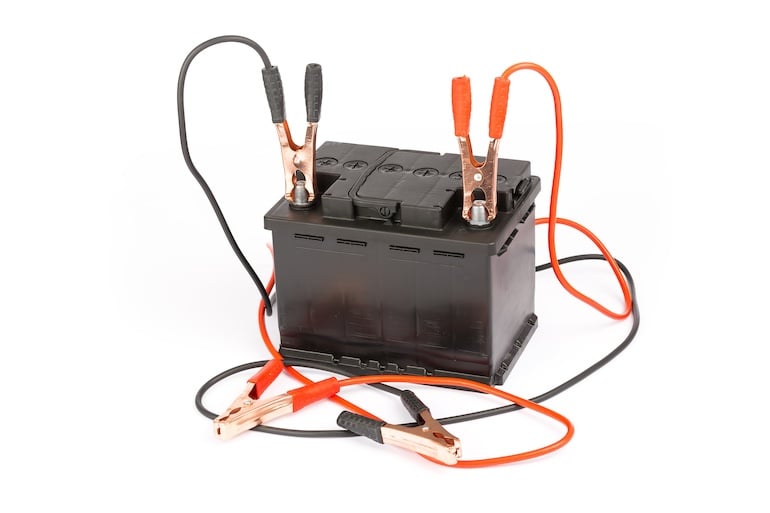
If your terminals are clean and tight but the clicking continues, a jump-start is the next logical test. This is the fastest way to determine if the battery is the culprit. If the car fires right up with a jump, you’ve confirmed your battery is either drained or has reached the end of its life and can’t hold a proper charge anymore.
This decision tree helps visualize the diagnostic path when you hear that click.

As you can see, a click points directly toward an electrical system check, with the battery being the prime suspect. A successful jump-start means your battery is the problem. If it doesn't work, the issue is likely deeper in the starting or charging system.
For those who want to be absolutely certain about their battery's health, a multimeter is the tool for the job. You can follow our detailed guide on https://www.kkrichardson.com/kwik-blog/how-to-test-battery-with-multimeter/. To dig even deeper into electrical diagnostics, knowing How to Use a Multimeter to Test Continuity is a fantastic skill for any car owner. But if a jump-start fails, that's a strong sign the battery isn't the issue, and it might be time to look at the starter or relays.
When a Jump Start Fails: Digging into the Starter and Relays
So, you’ve tried a jump-start and you're still just getting that frustrating click. The good news is you've just ruled out a dead battery. That tells us a lot, and it means we need to look past the battery and deeper into the starting system. This is where we get into the components a jump-start won't help: the starter motor, its partner-in-crime the solenoid, and the often-overlooked starter relay.

The kind of click you're hearing is a huge clue. Rapid-fire clicking almost always points back to a battery issue. But a single, solid "clunk" or a sharp click when you turn the key? That’s a different story. It usually means the battery has enough juice to send power, but the starter itself isn't doing its job of turning the engine over.
Differentiating the Starter from the Solenoid
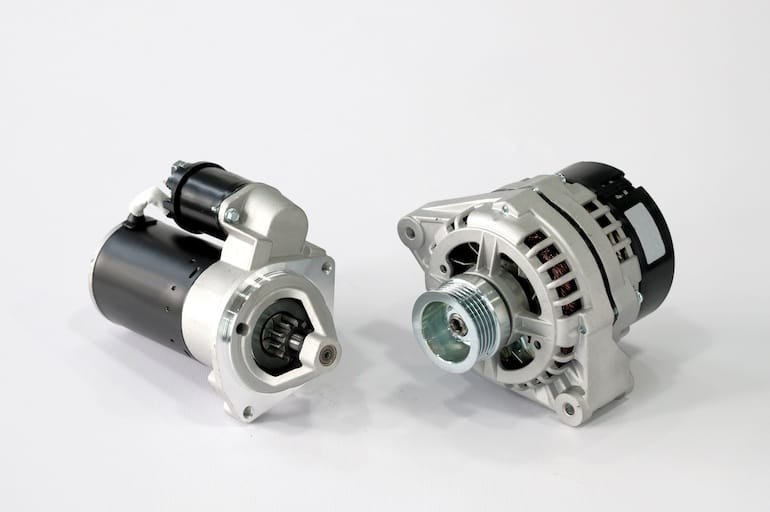
It helps to think of the starter motor and solenoid as a two-part team. When you turn the key, the solenoid—a small but powerful electromagnet—gets the first signal. It does two things almost instantly: it pushes a small gear forward to mesh with the engine's flywheel, and it closes a heavy-duty electrical contact.
That contact allows a huge surge of power to flow directly from the battery to the starter motor. The motor then spins, turning the engine and getting the combustion process started. If you hear that one loud click, it's often the sound of the solenoid trying to work, but the starter motor isn't spinning. This can happen for a few common reasons.
We often see starters fail due to:
- Internal Wear and Tear: Like any motor, the brushes and internal windings just wear out over thousands of starts.
- Solenoid Failure: The electrical contacts inside the solenoid can get burnt or corroded, failing to pass power to the motor.
- Heat Damage: Starters live in a rough neighborhood, right next to a hot engine block. Over time, that heat takes a toll.
- Oil Leaks: A leaky valve cover gasket is a classic starter-killer. Oil drips down, soaks the starter, and causes it to short out.
If you hear one loud click, that’s often the starter or its solenoid crying for help. This issue accounts for roughly 15-20% of all clicking start failures. While starters can last a long time, the stop-and-go traffic and heat in Richardson, TX, can cause premature wear, especially with the average vehicle age on the rise. If a jump-start doesn’t work, the starter is a prime suspect.
Don't Forget the Starter Relay
Before you condemn the entire starter assembly, there’s one more small but vital part in the circuit: the starter relay. This is a little electrical switch, usually a small plastic cube, located in one of the fuse boxes under the hood. Its job is to act as a low-power trigger for the high-power solenoid.
Basically, turning your key sends a small electrical signal to this relay. The relay then closes and sends the real signal to the starter solenoid, telling it to get to work. If the relay itself is bad, the signal never reaches the starter. You might hear a very faint click from the fuse box, or you might hear nothing at all.
For a deeper dive, check out our guide on the signs of a bad starter. Since these parts are often buried deep in the engine bay and need special tools to test properly, figuring out if it's the starter, solenoid, or relay is a job best left to a certified technician.
Your Local Repair Options and Costs in Richardson
Once you’ve got a good idea of what’s behind that clicking sound, the next step is getting it fixed without any surprises. Knowing the potential costs upfront can take a lot of the stress out of the repair process. Here in the Richardson area, prices can differ, but the most important thing is getting a clear, honest estimate before any work begins.
When you bring your car to us at Kwik Kar, we start with a precise diagnosis. We don’t believe in guesswork; our goal is to fix the right problem the first time. Our ASE-certified technicians use state-of-the-art diagnostic tools to figure out if that click is a weak battery, a corroded connection, or a starter that’s on its last legs.
Breaking Down Repair Costs
To give you a clearer picture, any repair cost comes down to two things: parts and labor. The price of parts can be as low as a new battery terminal or as high as a complete starter motor assembly. Labor costs depend entirely on how tough it is to get to the broken part. A battery replacement, for instance, is usually a quick job. But getting to a starter buried deep in a modern, packed engine bay can be a whole different story.
Here's a general idea of what to expect for some of the most common starting-system repairs.
At Kwik Kar, we're proud to be a CARFAX Top-Rated Service Center and RepairPal Certified. This isn't just a plaque on the wall; it's a promise that our pricing is fair, our work is top-notch, and we stand by our estimates. You get dealership-level expertise with the trust and personal service of a neighborhood shop.
This commitment to transparency means you’ll always know exactly what you’re paying for. The table below outlines some estimated costs for the most frequent issues that cause a clicking noise when you turn the key.
Estimated Repair Costs for Common Starting Problems
This table gives you a ballpark idea of the potential costs for parts and labor for the most common fixes tied to a clicking noise. It’s designed to help you budget and make an informed decision.
| Repair Service | Estimated Parts Cost | Estimated Labor Cost | Total Estimated Cost |
|---|---|---|---|
| Battery Terminal Cleaning | $5 – $15 | $40 – $75 | $45 – $90 |
| Car Battery Replacement | $150 – $350 | $50 – $100 | $200 – $450 |
| Starter Relay Replacement | $15 – $50 | $60 – $120 | $75 – $170 |
| Starter Motor Replacement | $250 – $600 | $150 – $400 | $400 – $1,000+ |
Note: These are estimates. Prices vary based on your vehicle's make, model, and the specific parts required.
Keep in mind that these are just some of the possibilities. Our technicians are skilled in handling everything from these simple fixes to more complex jobs involving alternators and starters services.
We also believe in giving back to those who serve our community. Kwik Kar is proud to offer discounts for military personnel, first responders, and healthcare workers as our way of saying thank you. When car trouble strikes, you have a trusted local partner in Richardson ready to get you back on the road safely and affordably.
Proactive Maintenance to Avoid the Click in the First Place
As any experienced mechanic will tell you, the best repair is the one you never have to make. While it’s good to know how to diagnose car starting problems clicking noise, preventing the issue from happening in the first place is what really saves you time, money, and a whole lot of headaches. A little bit of prevention goes a long way toward keeping your vehicle reliable.

You don’t have to be a master technician to keep your car’s starting system in good shape. Just a few simple habits can make a huge difference, paying you back every single time you turn the key without a problem.
For instance, get into the habit of peeking at your battery terminals about once a month. All you're looking for is that fuzzy, white, or greenish buildup. Catching corrosion early is the easiest way to stop it from choking off the electrical connection.
Building a Defensive Maintenance Routine
A reliable start depends on more than just the battery; it’s about the health of the entire electrical system. You can easily protect this system by focusing on a few consistent checks that tackle the most common failure points head-on.
Think of these steps as your first line of defense:
- Keep Your Terminals Clean: As we've mentioned, corrosion is public enemy number one for a good connection. Clean terminals guarantee a strong, steady flow of power right when you need it.
- Secure the Battery: A battery that jiggles around in its tray can suffer from excessive vibration, which can damage its internal components and shorten its life. Make sure the hold-down bracket is snug.
- Mind Your Trip Length: Super short drives are a battery killer. They don't give the alternator enough time to fully recharge the power used to start the engine. If most of your driving is quick errands, try to take a longer drive at least once a week.
Expert Insight: Your alternator is more like a trickle charger than a powerful battery charger. It’s designed to maintain a full battery, not to rescue a dead one. Those constant short trips slowly drain the battery's reserve, making it prime for failure, especially in the brutal Texas heat.
Let Kwik Kar Be Your Partner in Prevention
Honestly, the simplest way to get ahead of starting problems is to let the pros keep an eye on things for you. This is where Kwik Kar’s routine maintenance services become your secret weapon against that dreaded click. We see ourselves as your partner in keeping your car healthy, not just an emergency room for when things go wrong.
When you swing by for a regular oil change or a state inspection, our service is more than just what’s on the sign. Our ASE-certified technicians perform a complimentary check of your battery and charging system. We look for those subtle, early signs of trouble—a bit of corrosion, a loose wire, or a battery case starting to swell—and we can run a free battery test to check its health before it has a chance to leave you stranded. This quick check can spot an issue weeks or even months before you’d ever hear it.
Why Richardson Drivers Trust Kwik Kar for Auto Care
Getting that clicking noise sorted out is the immediate goal, but we believe choosing the right auto shop is about more than just a single repair. It’s about trust. Here in Richardson, you have choices, but we aim to give you the expertise you’d expect from a dealership, with the honest, personal feel of a neighborhood garage.
What really makes the difference is the team working on your car. Our technicians are ASE-Certified, which means they have the training and hands-on experience to diagnose the problem correctly the first time—no guesswork involved. That expertise is backed by our certifications as a CARFAX Top-Rated Service Center and RepairPal Certified shop, which are your assurance that you're getting high-quality work at a fair price.
We’re also proud to be part of the Richardson community. As a small thank you to those who serve, we offer discounts for military personnel, first responders, and healthcare workers.
Our whole approach is pretty simple: be upfront, do good work, and make sure you understand what’s happening with your vehicle. We want you to drive away not just with a car that works, but with total confidence in its safety and reliability.
Building that confidence starts from the moment you contact us. We work hard to build a good feeling with customers on every call and visit. When you're ready, schedule your diagnostic check and see the Kwik Kar difference for yourself.
Frequently Asked Questions About Car Starting Problems
Even after you've run through the basic checks, it's normal to have more questions about that frustrating clicking sound. We get a lot of the same queries from drivers here in Richardson, so we've put together some answers to help clear things up.
What If I Hear Grinding Instead of Clicking?
A grinding noise is a whole different animal from a simple click. When you hear grinding, it almost always means the starter gear isn't meshing correctly with the engine's flywheel. This could be because the teeth on either the starter or the flywheel are worn down, or the starter's solenoid isn't doing its job of pushing the gear out.
Important: If you hear grinding, stop trying to start the car immediately. Forcing it can lead to serious and expensive damage to the flywheel. That sound is a definite sign to park it and call a professional.
How Long Do Starters and Batteries Last in Texas Heat?
That intense Texas heat is brutal on just about every part of a car, especially the battery. While a battery might last 3-5 years in a milder climate, you should realistically expect a lifespan of only 2-3 years here. The constant high temperatures speed up the chemical reactions inside, causing the battery to wear out much faster.
It's a similar story for starters. They're typically built to last between 80,000 to 100,000 miles, but frequent heat soak from a hot engine block—especially in our notorious stop-and-go traffic—can cause them to fail much sooner.
Can I Always DIY a Clicking Noise Problem?
While giving your battery terminals a good cleaning is a fantastic and safe first step for any DIYer, it's smart to know where to draw the line. If you've cleaned the terminals and a jump-start still doesn't get you going, the problem is likely deeper.
At that point, you're probably looking at a failing starter, a bad alternator, or an issue in the wiring. These repairs demand specialized diagnostic tools and a deep understanding of your vehicle's electrical system to fix correctly and safely.
If you’re dealing with car starting problems clicking noise or have any other concerns, don’t leave it to guesswork. The ASE-certified experts at Kwik Kar Oil Change and Auto Care are ready to give you an honest diagnosis and clear repair options. Schedule your service today and get back on the road with confidence by visiting us at https://www.kkrichardson.com.