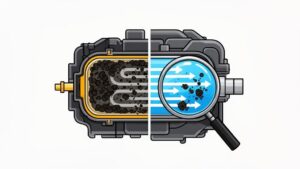
That frustrating sputter when you hit the gas or the feeling that your engine is struggling to keep up are classic calling cards of a clogged fuel filter. This small, often overlooked part plays a huge role in your engine's health, acting as a bodyguard to stop dirt, rust, and other gunk from causing serious damage.
Why Your Car Is Struggling

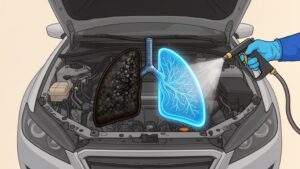
It helps to think of your car’s fuel system like its circulatory system. The fuel pump is the heart, the fuel lines are the arteries, and the fuel filter is the kidney, constantly cleaning out impurities. When that filter gets clogged, it’s like a blocked artery.
Your engine gets starved of the clean fuel it needs to run properly, leading to those noticeable—and incredibly frustrating—performance problems.
This isn't just a problem for older cars, either. Modern vehicles, especially those with high-tech Gasoline Direct Injection (GDI) systems, are extremely sensitive to fuel quality. In fact, a whopping 73% of light-duty vehicles made in 2023 came equipped with these precision fuel systems. They demand incredibly fine filtration to keep even the tiniest particles from wreaking havoc.
What to Look For and What to Expect
A clogged fuel filter doesn’t just appear out of nowhere. It’s a slow, gradual process caused by contaminants building up over thousands of miles. To give you a clearer picture, we've put together a quick guide to the most common signs, their underlying causes, and what you can generally expect for repair costs.
Quick Guide to Clogged Fuel Filter Issues
This table should help you match up what you're experiencing with the likely culprit and prepare you for the next steps. For a more comprehensive look at what could be going on under the hood, check out our guide on professional car trouble diagnosis.
| Symptom | Common Cause | Estimated Cost |
|---|---|---|
| Engine Hesitation or Sputtering | The filter is partially blocked, restricting fuel flow right when your engine needs it most—during acceleration. | $75 – $250+ |
| Trouble Starting the Engine | A severe clog is preventing enough fuel from reaching the engine to ignite properly, leading to long cranks or a no-start. | $75 – $250+ |
| Poor Fuel Economy | The engine has to work much harder to pull fuel through the clog, causing it to burn more gas just to maintain speed. | $75 – $250+ |
This summary makes it clear that what starts as a small issue can create a domino effect of problems.
Key Takeaway: A clogged fuel filter forces your fuel pump to work overtime, straining the entire system and potentially leading to more expensive repairs if ignored.
Recognizing the Telltale Signs of a Failing Fuel Filter
When your fuel filter is on its way out, your car doesn't just suddenly give up. It starts with whispers—subtle warnings that something's not right under the hood. Learning to interpret these signals is the key to catching a clogged fuel filter before it spirals into a much bigger, more expensive headache.
Think of it like this: your engine needs a clean, consistent stream of fuel to run properly. A clog in the filter is like a kink in a garden hose, disrupting that steady flow. The result? A whole host of frustrating and sometimes confusing performance problems that pop up during your daily drive.
Engine Hesitation and Power Loss
One of the first things you'll probably notice is your engine hesitating, especially when you need power the most. You hit the gas to merge onto the highway or climb a steep hill, but your car feels sluggish, almost like it’s fighting you. It might sputter or lag for a second before finally getting up to speed.
This happens because the fuel pump is working overtime, trying to force gasoline through the blockage. When you demand more power, like during acceleration, the restricted flow just can’t keep up. The engine is essentially being starved of the fuel it needs to perform, a classic sign that something is blocking the fuel supply.
Trouble Starting the Engine
Another telltale symptom is having a hard time starting your car. If the filter is getting seriously clogged, it can block enough fuel to prevent the engine from firing up at all. You'll turn the key, hear the engine crank… and crank… and crank… but it just won't catch and run.
A car that cranks but won’t start is often a red flag for a fuel delivery issue. A completely blocked filter effectively cuts off the engine's lifeblood, making ignition impossible.
At first, this problem might be intermittent—maybe only happening on cold mornings. But as the clog gets worse, you can bet the starting issues will become more frequent.
Rough Idling and Potential Stalling
A clogged fuel filter can even cause trouble when your car isn't moving. You might feel the engine shaking or vibrating more than usual while you’re stopped at a red light. This rough idle happens because the inconsistent fuel delivery makes it hard for the engine to hold a steady speed.
In more serious cases, this can lead to stalling. The engine might just die out of nowhere while you're idling or even while driving at low speeds. This isn’t just an inconvenience; it's a dangerous situation that points directly to a critical fuel supply problem that needs immediate attention.
This isn't just a minor annoyance; fuel contamination can cause significant internal damage. Clogged filters are a global issue, contributing to abrasion, corrosion, and injector damage in engines worldwide. The market for fuel filters is projected to grow from USD 4.253 billion in 2025 to USD 5.780 billion by 2030, a clear sign of the automotive industry's focus on cleaner fuel and stricter emissions. You can explore the full report on the global fuel filters market on GII Research.
What Really Causes a Fuel Filter to Clog
It's a common misconception that a single tank of "bad gas" is the only thing that can clog up your fuel filter. While a bad batch of fuel can definitely cause problems, the reality is that your filter is in a constant battle against contaminants from multiple sources. Understanding where this gunk comes from helps explain why even the most well-cared-for cars will eventually need a new filter.
Think of your fuel tank like a big jug. Over time, sediment and tiny bits of debris are bound to settle at the bottom. It’s not just about what you pour in; it’s also about what’s already been sitting in there for years.
The Slow Accumulation of Debris
More often than not, a clogged filter is the result of a slow, steady buildup of gunk over tens of thousands of miles. This isn't a sudden event. It's a gradual process, much like how a river slowly carries sediment downstream, depositing it along the way. Your fuel system does the same, and your filter is there to catch it all.
These tiny particles come from a few key places:
- Gas Station Storage Tanks: Those massive underground tanks at the gas station aren't immune to collecting sediment and even small amounts of water over the years. When a tanker truck comes to refill the supply, all that settlement can get stirred up, and some of it can end up in your car.
- Rust and Corrosion: If you have an older vehicle or one that sits for extended periods, the inside of the metal fuel tank can begin to rust. Those microscopic rust flakes break off and get swept into the fuel lines, making a beeline straight for your filter.
- Dirt and Dust: It might seem trivial, but every time you unscrew your gas cap, you’re giving tiny particles of dust, dirt, and even pollen a chance to get into your tank. Over years of fill-ups, it really adds up.
This slow-and-steady buildup is exactly why automakers recommend replacing the fuel filter as part of your regular maintenance schedule. The filter is doing its job by catching all this debris, but like any filter, it can only hold so much.
Key Insight: A clogged fuel filter is rarely a one-time thing. It's usually the result of years of collecting tiny particles from the fuel itself, your car's own tank, and the outside environment.
The Surprising Effect of Modern Fuel Blends
Here’s something you might not expect: modern fuel formulas can actually speed up the clogging process, especially in older cars. A lot of the gasoline you buy today contains ethanol, an alcohol that happens to be a pretty strong solvent.
When you introduce an ethanol-blended fuel into an older system that has spent years running on traditional gasoline, that solvent effect can be dramatic. The ethanol can loosen up and dissolve old varnish and sludge deposits that were sitting harmlessly on the inside walls of the fuel tank and lines.
Once those old deposits are freed up, they get sent flowing right through the fuel system. Their first and only stop? The fuel filter, which can get overwhelmed by this sudden rush of gunk. It’s why a car that has been running perfectly for a decade might suddenly show signs of a clogged filter right after you start using an ethanol-blended gas. The new fuel isn't "bad"—it just did a deep clean on your old tank and sent all the grime to the one part designed to catch it.
DIY or Professional Replacement: What Is the Right Choice?
So, you've diagnosed the problem and suspect a clogged fuel filter is behind your car's recent performance issues. Now comes the big question: what's next? Should you roll up your sleeves for a DIY replacement, or is it smarter to let a professional mechanic handle it? The decision really boils down to balancing cost savings against safety and expertise.
It's easy to see the appeal of replacing the filter yourself. If you've got the right tools and a bit of experience, you can definitely save some money on labor. But be warned, this isn't like swapping out an air filter. You're dealing with a high-pressure fuel system, and a simple mistake can quickly turn dangerous.
This flowchart breaks down how a fuel filter gets clogged in the first place.

As you can see, things like contaminated "bad gas," rust particles from an older tank, or just plain old dirt and sediment are the main culprits. Sooner or later, every car will need a new fuel filter.
The Risks of a DIY Replacement
The biggest risk with a DIY job is, without a doubt, safety. Gasoline is extremely flammable, and those fuel lines can stay pressurized long after you've turned the car off. If you don't release that pressure correctly, you could have fuel spraying everywhere—a serious fire hazard and a pain to clean up. Not to mention, spilled gas can eat away at your car's paint and rubber hoses.
You'll also need some specific tools that most people don't have just lying around in their garage. We're talking about specialized fuel line disconnect tools, which are designed to pop the lines off the filter without breaking the delicate retaining clips. Try to force it with a screwdriver, and you could easily snap a connector, turning a quick fix into a much more complicated and costly repair.
Crucial Warning: Never work on fuel lines without proper ventilation, safety glasses, and absolutely no sparks nearby. A single mistake could lead to severe injury or fire.
DIY vs Professional Fuel Filter Replacement
To help you weigh your options, let’s look at a side-by-side comparison of tackling this job yourself versus bringing it to a pro like Kwik Kar.
| Factor | DIY Approach | Professional Service |
|---|---|---|
| Cost | Lower, since you only pay for the part. | Higher, due to parts and labor charges. |
| Time | Can take several hours, especially for first-timers or with hard-to-reach filters. | Typically much faster, often under an hour for experienced technicians. |
| Safety | High risk due to handling pressurized fuel and flammable liquids. | Low risk, as certified technicians follow established safety protocols. |
| Tools | Requires specialized fuel line wrenches and safety equipment. | Professionals have all necessary tools and diagnostic equipment on hand. |
| Guarantee | No guarantee; if something goes wrong, the responsibility is yours. | Work is usually guaranteed, providing peace of mind and recourse if issues arise. |
While saving a few bucks with a DIY approach is tempting, going with a professional offers huge advantages in safety, speed, and overall reliability. For most drivers, especially those with newer vehicles where the filter is often part of the in-tank fuel pump assembly, professional service is the way to go. It guarantees the job is done right, preventing leaks and other headaches down the road.
Sometimes, what looks like a filter issue might be related to another part of the fuel system. If you're not 100% sure, you might find our guide on how to properly test fuel injectors helpful.
How Much Fuel Filter Replacement Costs
When your car starts acting up because of a clogged fuel filter, one of your first thoughts is probably, "How much is this going to cost me?" The good news is that a fuel filter replacement is one of the more affordable repairs you can run into. The final price tag, however, really comes down to two things: the cost of the new filter and how much labor it takes to get it installed.
The part itself is usually pretty easy on the wallet, often falling somewhere between $15 and $100. That price gap depends on what kind of filter your car needs and whether you go with an OEM (Original Equipment Manufacturer) part or a more budget-friendly aftermarket one. In many cases, aftermarket filters work just as well and can save you a decent chunk of change.
Breaking Down the Labor Costs
Where the cost can really swing is in the labor. The time a technician needs to access and swap out the filter can vary wildly from one car to the next. It’s all about location, location, location.
In-line Fuel Filters: A lot of older vehicles have these. They’re typically found along the frame rail underneath the car, which makes them fairly easy to get to. A professional can often have this job wrapped up in under an hour. This is the best-case scenario for a quick and affordable fix.
In-tank Fuel Filters: This is where things get more involved. Most modern cars have the fuel filter built right into the fuel pump assembly, which sits inside your gas tank. To replace it, a mechanic has to either drop the entire fuel tank or access it from under the back seat. It's a much bigger job that can easily take 1.5 to 3 hours, pushing the labor cost up significantly.
The Bottom Line: For a simple, in-line fuel filter replacement, you might be looking at a total bill between $75 and $150. But if your car has one of those tricky in-tank filters, the total cost could jump to anywhere from $250 to $450 or even more, depending on your vehicle's specific design.
Because there’s such a wide range, your best bet is always to get a professional estimate. A qualified shop like Kwik Kar can quickly figure out what kind of filter you have and give you a clear, upfront quote. That way, you know exactly what to expect before any work starts.
Proactive Maintenance to Prevent Future Clogs

The best repair is always the one you never have to make. While it’s smart to know the signs of a clogged fuel filter, the real key is shifting to a proactive mindset to prevent the problem from ever happening. Keeping your fuel system healthy isn’t just about reliability; it’s about avoiding the stress and cost that come with an unexpected breakdown.
The single most effective thing you can do is simple: follow your car manufacturer’s recommended service schedule. Your owner’s manual will lay out a specific mileage or time-based window for fuel filter replacement, which is typically somewhere between every 20,000 to 40,000 miles. Sticking to this schedule is like getting a regular check-up; you’re catching potential issues long before they become real problems.
Smart Habits for a Cleaner Fuel System
Beyond just following the maintenance schedule, a few smart habits can make a huge difference in extending the life of your fuel filter and protecting your entire engine. Think of these as easy, daily preventative care for your car.
- Choose High-Quality Fuel: Try to stick with reputable, high-volume gas stations. Stations with lots of customers usually have fresher fuel and cleaner, better-maintained storage tanks, which means less sediment ends up in your car.
- Avoid Running on Empty: Your fuel pump sits inside your gas tank, and it actually uses the surrounding fuel to stay cool. When you consistently run the tank low, the pump can overheat. More importantly, it starts sucking up any sediment and gunk that has settled at the very bottom of the tank, sending it straight into your fuel filter.
- Keep Your Gas Cap Tight: A loose or missing gas cap is basically an open door for dirt, dust, and moisture to get into your fuel tank. Always give it that extra twist until it clicks to ensure you have a proper seal.
A preventative approach doesn't just prevent a clogged fuel filter; it safeguards the entire fuel system. By keeping contaminants out and replacing the filter on schedule, you reduce strain on the fuel pump and protect your sensitive fuel injectors from damage.
These simple, consistent habits are the foundation of a healthy fuel system. To put together a complete care plan for your vehicle, take a look at our guide on creating a routine car maintenance checklist. Staying ahead of maintenance is truly the best way to keep your car performing reliably for years to come.
Still Have Questions About Clogged Fuel Filters?
Even after getting the basics down, you probably have a few more specific questions about clogged fuel filters. Let's tackle some of the most common ones we hear from drivers to help you make the right call for your car.
How Often Should I Replace My Fuel Filter?
Most car manufacturers suggest replacing your fuel filter every 20,000 to 40,000 miles, which usually works out to every couple of years. But think of that as a baseline, not a hard rule.
If you live in a dusty area, frequently drive on dirt roads, or sometimes get gas from stations that seem a little sketchy, you might need to change it sooner. Your owner's manual is the best place to find the specific interval for your make and model.
Can a Clogged Fuel Filter Cause My Car Not to Start?
Yes, absolutely. A completely blocked fuel filter can stop gas from reaching the engine altogether. You’ll turn the key, hear the engine crank and crank, but it just won’t catch and start.
This is a tell-tale sign of a fuel delivery problem. The engine wants to run, but it’s being starved of the fuel it needs to ignite.
Key Insight: A car that cranks but won't turn over is a major red flag for a fuel system issue. A completely blocked filter starves the engine, making it impossible to start.
Will a Fuel Injector Cleaner Unclog My Fuel Filter?
No, unfortunately, it won't. Fuel injector cleaners are great additives, but they're designed to work their magic after the fuel filter. They clean out carbon deposits and gunk from the fuel injectors and intake valves.
The fuel filter, on the other hand, is a physical barrier that traps dirt and debris. Once it’s full, the only way to fix it is to replace it. No chemical can dissolve the rust, sediment, and dirt packed inside.
Is a Clogged Fuel Filter Covered by My Warranty?
It's highly unlikely. Fuel filters are considered "wear and tear" items, just like your oil filter, air filter, and brake pads. This means they are part of routine maintenance, which is the owner’s responsibility.
The only exception might be in a very rare case where the filter itself was defective from the factory and failed way too early. But for a filter that clogs from normal use? That cost will almost always fall to the vehicle owner.
Don't let a failing fuel filter leave you stranded on the side of the road. The ASE-certified technicians at Kwik Kar Oil Change and Auto Care have the tools and expertise to diagnose your fuel system and get you back on the road with confidence. Schedule your service today and keep your engine running smoothly.