When you press the brake pedal, you're counting on two key components to work together seamlessly: brake pads and brake rotors. While they're both essential for stopping your car, they have very different jobs. Think of it this way: the pads are the friction material that does the squeezing, while the rotors are the heavy-duty discs that get squeezed.
This dynamic duo is the heart of your vehicle's most important safety feature.
Your Braking System's Essential Components
To really understand your car's braking power, it helps to know how these two parts function. They form a powerful partnership, turning the simple act of pressing a pedal into a safe, controlled stop. But even though they work in tandem, their materials, lifespans, and roles couldn't be more different.

You can even see this difference reflected in their market size. The global brake rotor market was valued at a massive USD 11.5 billion in 2023, while the brake pad market is projected at a smaller USD 4.07 billion by 2025. This gap makes sense when you consider that rotors are more expensive but replaced less often, while pads are consumables that need more frequent changing. For a closer look, you can explore more data on the brake rotor market.
To make their distinct roles even clearer, let's look at their core attributes side-by-side.
Brake Pads vs Rotors At a Glance
This quick comparison table breaks down the fundamental differences between your brake pads and rotors.
| Attribute | Brake Pads | Brake Rotors |
|---|---|---|
| Primary Function | Create friction to slow the wheels | Absorb and dissipate heat from friction |
| Material | Friction material (ceramic, metallic) | Durable metal (cast iron, steel) |
| Lifespan | Shorter; designed to wear down | Longer; withstands high heat and stress |
| Replacement | More frequent (consumable part) | Less frequent (durable part) |
The most important thing to remember from this is that brake pads are sacrificial by design. They are engineered to wear down over time, protecting the more durable and expensive rotors from damage. Understanding the wear signs for each is key to keeping your vehicle safe and your repair bills in check.
How Your Brakes Convert Motion Into Heat
Every time you press the brake pedal, you're commanding an incredible feat of physics designed to bring thousands of pounds of moving metal to a halt. That seemingly simple action kicks off a powerful chain reaction, converting your car's forward motion into a massive amount of heat. Getting a feel for this process is the key to understanding why both brake pads and rotors are so important.

It all starts with your foot. The force you apply gets amplified by a brake booster and travels through a hydraulic system filled with brake fluid. This pressurized fluid rushes to each wheel, activating a powerful clamp known as a caliper.
The caliper’s job is to squeeze the brake pads against the spinning brake rotor, which is attached directly to your wheel. Think of it as a powerful, hydraulically-actuated vise.
The Science Of Stopping
That clamping action is where all the hard work happens. The brake pads, which are made of a special high-friction material, generate immense resistance as they press against the smooth, solid surface of the rotors. It’s this intense friction that slows your wheels down.
This process is a classic example of energy conversion:
- Kinetic Energy: The energy of your vehicle rolling down the road.
- Thermal Energy: The intense heat created by the friction between the pads and rotors.
It’s just like rubbing your hands together to warm them up on a cold day. You use motion (kinetic energy) to create friction, which generates warmth (thermal energy). Your brakes do the same thing, but on a colossal scale—brake rotors can easily top 1,000°F during a hard stop.
The real job of your braking system isn’t just stopping the car; it’s managing and getting rid of a tremendous amount of heat. If the rotors can't dissipate that thermal energy fast enough, the whole system can overheat and stop working, a dangerous situation called brake fade.
A Symbiotic Relationship
This powerful energy transfer perfectly illustrates the partnership between brake pads and rotors. The pads are there to provide the friction, but the rotors have to be tough enough to handle the incredible heat that comes with it. One simply can't do its job without the other.
Pads are designed to be the sacrificial component; they wear down over time to create that stopping force. The rotors, on the other hand, are built for endurance. They provide the durable, heat-resistant surface for the pads to clamp down on, again and again.
If either one of these parts isn't in good shape, your ability to stop safely is compromised. Worn-out pads can't create enough friction, and warped or damaged rotors can't manage heat properly, which leads to vibrations, strange noises, and a dangerous drop in stopping power. This teamwork is exactly why we always inspect both components during a brake service—your safety depends on it.
A Detailed Comparison of Pads and Rotors
Even though they work as a team, brake pads and rotors have completely different jobs. The core difference is simple: pads are made to create friction, and rotors are built to handle the intense heat that friction creates. This one distinction is the reason for all their other differences, from the materials they’re made of to how they wear out.

A good way to think about it is like chalk and a chalkboard. The brake pad is the piece of chalk, meant to wear down as it does its job—stopping your car. The rotor is the durable chalkboard, built to take that friction over and over again.
Core Function: Friction vs. Heat Management
The main purpose of a brake pad is to generate powerful friction. Its surface is specially designed to clamp down on the spinning rotor, turning your car's forward motion (kinetic energy) into heat (thermal energy) to slow you down.
Rotors, on the other hand, have the opposite task. Their job is to be a smooth, tough surface for the pads to press against and, most importantly, to absorb and get rid of the incredible amount of heat that process creates. This is exactly why you'll see vents or slots on many rotors—they help air flow through and cool the metal down quickly.
Material Composition and Lifespan
The materials chosen for pads and rotors are tailored for these very different jobs, which directly impacts how long each one lasts.
- Brake Pads: These are made from friction materials bonded to a steel backing plate. You'll find common types like organic, semi-metallic, and ceramic, each offering a unique trade-off between stopping power, noise, and brake dust.
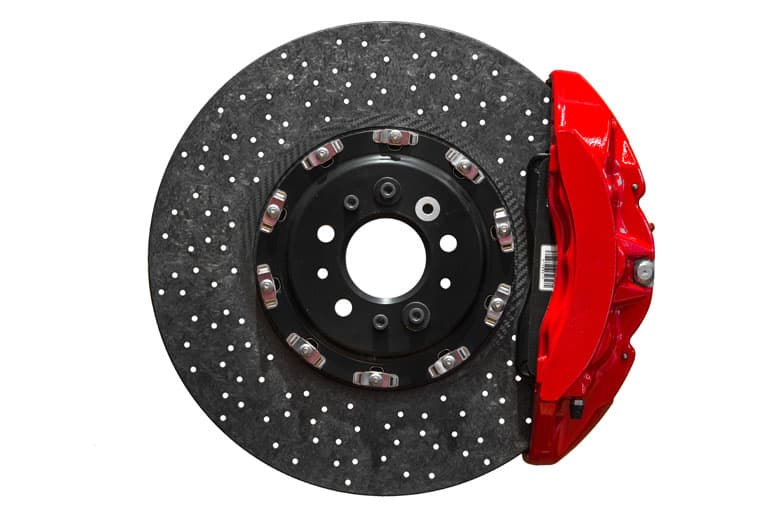
- Brake Rotors: These are usually made from heavy-duty cast iron. In high-performance cars, you might find steel or carbon-ceramic composites. These materials are all picked for their rugged durability and their ability to handle extreme temperatures without failing.
This difference in materials shows up in the auto parts market. The brake pad market was valued at USD 3.6 billion in 2021, with a lot of new developments in cleaner, low-dust materials. The brake rotor market is much larger, expected to hit USD 15.18 billion by 2025, with a focus on improving the heat-handling abilities of cast iron and composites.
Brake pads are consumable by design. Their softer friction material is meant to wear away with use. In a way, the pad sacrifices itself to protect the much more durable and expensive rotor, which is why pads always need to be replaced more often.
Wear Patterns and Warning Signs
Because their jobs are so different, pads and rotors wear out in their own unique ways. A brake pad's life is measured by its thickness. As the friction material grinds away, the pad simply gets thinner and thinner until it's time for a new set.
Rotors last much longer, so their wear patterns are different. Instead of just getting thin, they're more likely to suffer from heat damage. The most common problem we see is warping, where the rotor's surface becomes uneven from all the heating and cooling it goes through. This is what causes that shaky or vibrating feeling in your steering wheel or brake pedal. You can learn more about this specific symptom in our guide on a shaking front end when braking.
Over time, rotors can also get "hot spots" or deep grooves, especially if you drive on worn-out pads. Both of these issues make your brakes less effective. Knowing these different wear signs is the key to correctly diagnosing any brake problems and keeping your car safe.
Recognizing the Warning Signs of Brake Wear
Your car is pretty good at telling you when something’s wrong, especially with the brakes. If you learn to listen for the right sounds and feel for certain vibrations, you can catch problems early. The key is knowing which warning signs point to the pads and which point to the rotors.
Paying attention to these signals is the first step in diagnosing an issue. Strange noises are usually the earliest clues that your braking system needs attention, and different sounds often point to different components. Learning to identify brake pads wear signs is a critical skill for any driver looking to stay safe on the road.
Sounds and Sensations of Worn Brake Pads
Brake pads are actually designed to get your attention when their time is almost up. The warning signs are almost always auditory, and they’re hard to miss if you know what you’re listening for.
- High-Pitched Squeal: This is the classic, textbook sign. Most brake pads have a small metal tab called a wear indicator built right in. Once the pad material wears down to a specific thickness, this tab starts scraping against the rotor, creating that unmistakable high-pitched squeal when you brake. If you hear this, it’s a clear signal to have your pads inspected soon. We cover this noise in-depth in our guide on how to fix squeaky brakes.
- Deep Grinding Noise: If that initial squeal is ignored for too long, it will eventually become a much harsher, metallic grinding sound. This is a serious red flag. It means the friction material on the pad is completely gone, and you now have metal-on-metal contact between the pad’s backing plate and the rotor. This will destroy your rotors and severely impact your ability to stop safely.
- Unresponsive or "Spongy" Pedal: While a bit less common, a brake pedal that feels soft, mushy, or sinks toward the floor can point to a problem in the hydraulic system. This can sometimes be related to extremely worn pads causing issues with the brake calipers.
Symptoms of Failing Brake Rotors
Unlike brake pads, rotor problems usually show up as physical vibrations you can feel when you’re driving. Rotors have to manage an incredible amount of heat, and their most common failure mode is warping from that thermal stress.
A pulsating brake pedal or a vibrating steering wheel during braking is the classic symptom of a warped rotor. When the rotor's surface becomes uneven, the brake pad cannot apply pressure smoothly, causing a noticeable shudder that travels up through the steering column or pedal.
You might also spot visible signs of wear just by looking at the rotors through your wheels. Deep grooves or scoring marks on the rotor's surface are a clear indication of a problem. These grooves reduce the contact area for the brake pad, which translates to less effective stopping power. This damage often happens when you continue driving on pads that are completely worn out. The stop-and-go traffic around Richardson can definitely speed up this kind of wear on both components.
When to Replace Pads, Rotors, or Both
Knowing the difference between brake pads and rotors is one thing, but the real question for most drivers is when to replace which part. This decision directly impacts both your safety and your wallet, so it's smart to understand the common service scenarios. Your technician will always make a recommendation based on the specific condition of your car's braking system.
One of the best things you can do is learn to recognize when your car is trying to tell you something is wrong. That’s why it’s so important to have a good grasp of the warning signs by Understanding Brake Pads Wear so you can take action right away.
This decision tree helps visualize how specific symptoms can point to either pad or rotor issues.

As you can see, distinct symptoms like squealing often indicate pad wear, while a vibration you can feel usually points toward rotor problems.
Scenario 1: Replacing Pads Only
The most straightforward and budget-friendly brake service is a pads-only replacement. This option is perfect when your brake pads have worn down from normal use, but your rotors are still in excellent shape.
How do we know if the rotors are okay? A technician will clear your rotors for reuse if they meet two key criteria:
- They are perfectly smooth, with no deep grooves, scoring, or visible hot spots.
- They are well within the manufacturer's minimum thickness specification, which is actually stamped right on the rotor itself.
This scenario is pretty common for vehicles with lower mileage or for drivers who are quick to address that first squeaking sound when their pads start getting low.
Scenario 2: Resurfacing the Rotors
What if your rotors have minor imperfections like light warping or some surface glazing but still have plenty of life left in them? In that case, resurfacing (often called "machining") is a great cost-saving alternative to a full replacement. A technician uses a brake lathe to shave a very thin layer of metal off the rotor’s surface, restoring a perfectly flat, smooth finish.
However, resurfacing is only an option if the rotor will remain thicker than its specified minimum after the process is done. Modern rotors are often designed to be thinner and lighter than older ones, which means there's less material available to machine away. Because of this, resurfacing is becoming less common than it used to be.
Scenario 3: Replacing Pads and Rotors Together
Replacing both the brake pads and rotors at the same time is the most comprehensive solution. In many cases, it's the highly recommended path for guaranteeing optimal safety and peak performance. This is a non-negotiable step when rotors are worn below their minimum thickness, are severely warped, or have deep grooves or cracks.
For maximum safety and performance, we recommend replacing brake pads and rotors together. New pads need a perfectly flat, clean surface to bed-in correctly. Installing them on old, worn rotors can lead to noise, vibration, and reduced stopping power right from the start.
This paired replacement guarantees that the two most critical components of your braking system fit and function together perfectly. It eliminates any existing imperfections and essentially resets the lifespan of your brake system, giving you peace of mind and the quiet, effective braking you expect. It's the industry's best practice for a reason.
Trust Your Safety to Kwik Kar's Certified Experts
When it comes to your brakes, you can't afford to take chances. Knowing the difference between worn brake pads and failing rotors—and when to service them—is something you need to get right. Your family’s safety and your car's performance depend on it, and that’s where the team at Kwik Kar Oil Change and Auto Care comes in.
We don't believe in guesswork. Every technician on our team is ASE-certified, which means they have the proven knowledge to accurately diagnose your brake system. Whether you just need new pads, a rotor resurfacing, or a full replacement, we use the right tools and expertise to pinpoint the exact problem.
Certified Quality and Transparent Service
Our commitment to doing things the right way is backed by our status as a NAPA AutoCare Center and a RepairPal Certified Shop. These aren't just logos we hang on the wall; they're your guarantee that we use high-quality parts, provide transparent pricing, and stand behind our work.
For families who need reliable safety on their daily drives or commuters who depend on their car every day, professional brake service offers real peace of mind. Driving with confidence starts with knowing your vehicle received top-tier care from people who treat it like their own.
Whether you’re stuck in stop-and-go traffic or getting ready for a long road trip, a professional inspection makes sure every part of your brake system is working perfectly. Don't wait for a warning sign to turn into a dangerous situation.
You can learn more about our commitment to vehicle safety and see our full range of expert brake services in Richardson, TX to schedule your appointment today.
Frequently Asked Questions About Brake Service
Even after you understand the basics of pads and rotors, you probably still have a few questions. That's completely normal. Let's tackle some of the most common concerns we hear from drivers every day to help you feel confident about your vehicle's care.
How Often Should I Have My Brakes Inspected?
We recommend a professional brake inspection at least once a year or every 12,000 miles. An even better habit, though, is to ask for a quick visual check during every oil change.
This simple step allows a certified technician to spot the early signs of wear on your brake pads and rotors. Catching an issue before it escalates is the single best way to avoid more expensive damage to calipers and other hardware, keeping your vehicle safe and your repair bills down.
Can I Replace Only the Front or Rear Brake Pads?
Yes, and this is actually the standard procedure. Brake pads are always replaced in axle pairs—meaning either both front pads or both rear pads are replaced together. Since your front brakes do most of the heavy lifting (handling up to 70% of the stopping force), they almost always wear out faster.
A good technician will measure the thickness of the pads on all four wheels and only recommend replacing the set that's worn down. This is the honest and correct way to service your brakes.
It's a common misconception that all four brake pads have to be replaced at the same time. Servicing by the axle is the proper and most cost-effective method.
What Is the Difference Between Ceramic and Semi-Metallic Pads?
The biggest differences you'll notice as a driver are noise, dust, and how the brake pedal feels under your foot.
- Semi-Metallic Pads are workhorses known for fantastic stopping power and handling heat well. The trade-off is that they can be a bit noisier and tend to produce more of that dark brake dust on your wheels.
- Ceramic Pads are the popular choice for most daily drivers because they are incredibly quiet, create very little dust, and deliver a smooth, consistent pedal feel.
Is It Dangerous to Drive With Squeaking Brakes?
Think of that high-pitched squeak as your car's built-in alarm system—it's telling you the brake pads are getting thin. While your car will still stop, ignoring the noise is a gamble. That squeal will eventually turn into a harsh, grinding sound.
When you hear grinding, it means the pads are gone and you now have metal grinding directly against metal. This situation destroys your rotors fast, turning what would have been a simple pad replacement into a much more expensive repair involving both pads and rotors. It's always best to get squeaking brakes inspected right away.
Don't wait for a warning sign to become a safety risk. The ASE-certified experts at Kwik Kar Oil Change and Auto Care are ready to provide a thorough brake inspection to give you peace of mind on the road. Schedule your service today at https://www.kkrichardson.com.