Yes, tire pressure absolutely drops in cold weather, and it’s almost always physics at work, not a flat tire. Here’s the key rule of thumb to remember: for every 10°F the temperature drops, your tires will lose about 1 PSI of pressure. It’s this natural process that often triggers your TPMS warning light on the first chilly morning of the season.
Why Cold Weather Lowers Your Tire Pressure
Have you ever walked out to your car on a frosty morning to find that dreaded low-tire-pressure light glowing on your dashboard? It’s a super common experience, especially here in Richardson when the weather turns, but it’s rarely a sign of a leak. Instead, it’s just a simple reaction to the cold.
Think of the air inside your tires like a crowd of people. When it gets cold, everyone huddles closer together, taking up less space. The same thing happens with air molecules.
This causes the overall pressure inside the tire to drop. The colder air molecules slow down and don't push as hard against the tire's inner walls. Your vehicle's Tire Pressure Monitoring System (TPMS) is sensitive enough to detect this change and flags it as low pressure.
The 10-Degree Rule in Action
This isn’t just a tiny fluctuation. A sudden cold snap can have a real impact. For example, if the temperature plunges from a mild 60°F to a freezing 30°F overnight, you can expect your tires to lose about 3 PSI. It’s a reliable formula: a 1 PSI drop for every 10°F decrease. For more insight, check out what automotive safety professionals have to say on the topic.
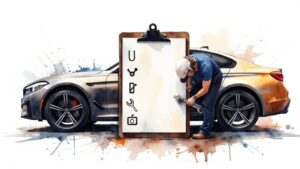
This visual shows exactly how a 30°F temperature drop leads directly to a 3 PSI loss in your tires.
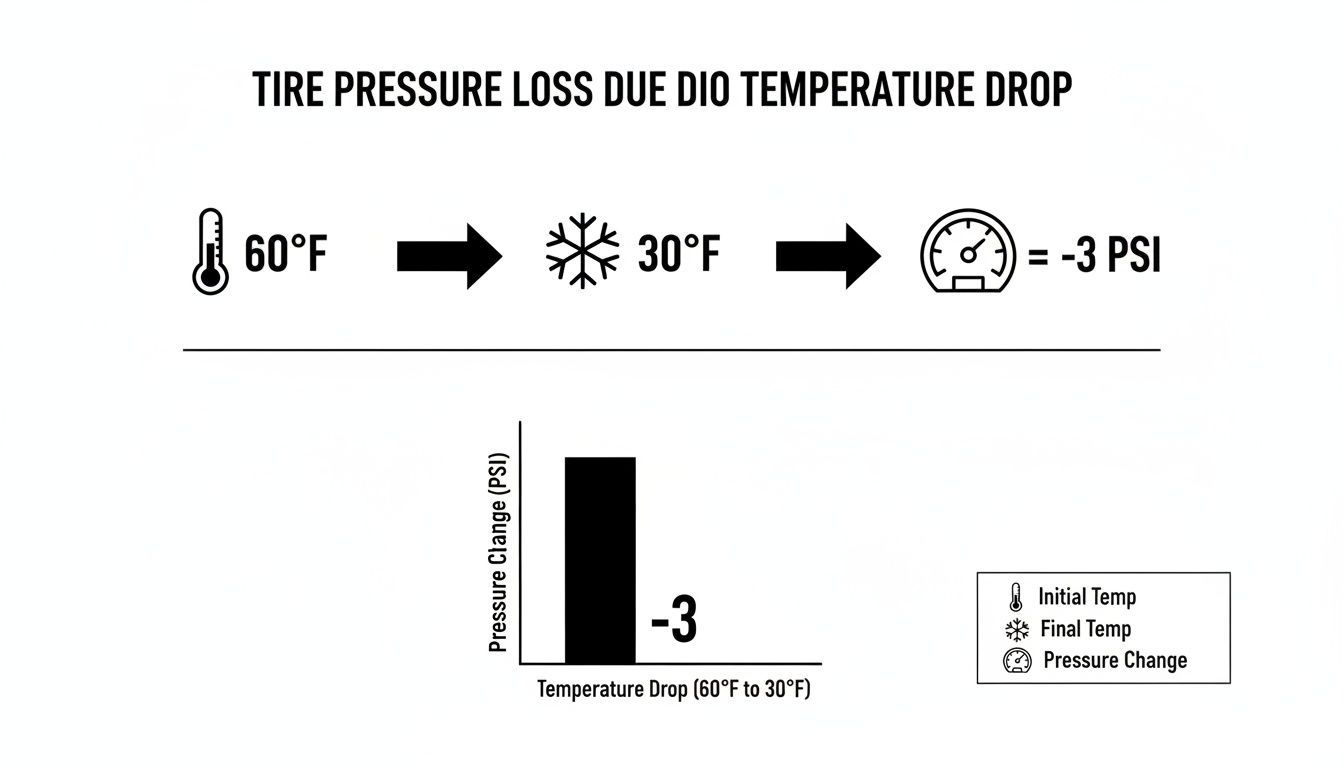
This simple cause-and-effect relationship is the reason why your TPMS light seems to come on out of nowhere when the seasons change.
To put this into perspective for our Richardson weather, here’s a quick look at what you can expect as temperatures fall.
Estimated Tire Pressure Loss vs. Temperature Drop
This table shows the expected drop in tire pressure (PSI) based on common temperature changes experienced in the Richardson area.
| Temperature Drop (°F) | Estimated PSI Loss |
|---|---|
| 10°F | -1 PSI |
| 20°F | -2 PSI |
| 30°F | -3 PSI |
| 40°F | -4 PSI |
| 50°F | -5 PSI |
Even a seemingly small drop in temperature can be enough to put your tires below the recommended pressure, which is why a quick check is so important during the colder months.
The Simple Science of Shrinking Air in Your Tires
Ever left a basketball outside on a frosty night? If you have, you probably noticed it felt a little soft the next morning and didn't have the same bounce. Your car’s tires go through the exact same thing, and it’s the simple reason your tire pressure drops when the temperature plummets.
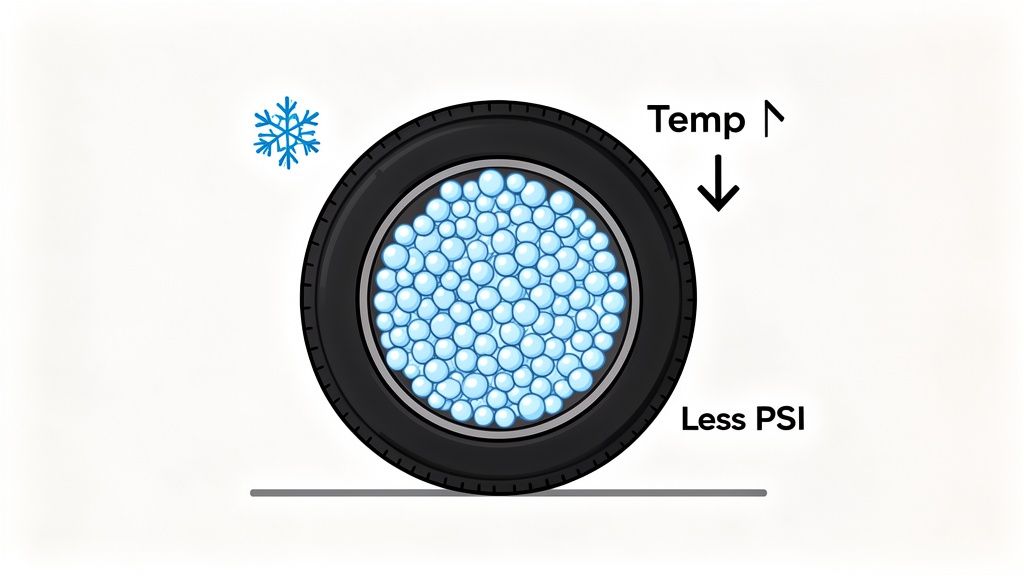
This natural process is called thermal contraction. Think of the air inside your tires as millions of tiny molecules zipping around. When it's warm, these molecules are full of energy, bouncing off the inner walls of your tire with a lot of force. That outward push is what creates the pressure we measure in PSI.
How Cold Weather Changes Everything
As the temperature drops, it sucks the heat right out of the air in your tires. This makes the air molecules lose energy, slow down, and cluster closer together—almost like they're huddling up for warmth.
Because they aren't moving as fast or pushing as hard against the tire walls, the overall pressure inside naturally goes down. This is precisely why your TPMS light often makes its first appearance of the season right after that first cold snap. It’s not necessarily a leak; it's just physics at work.
The rule of thumb is simple: for every 10°F drop in the outside temperature, your tire pressure will decrease by about 1 PSI.
Knowing this helps you tell the difference between a normal, weather-related pressure drop and a real problem. If one tire is suddenly way lower than the others, you might have a puncture. But if all four are down a few pounds after a cold front rolls through, they just need a quick top-off. It’s a bit of knowledge that can save you a lot of unnecessary worry.
How Low Tire Pressure Impacts Your Safety and Wallet
Knowing that tire pressure drops when it gets cold is one thing, but really understanding what that means for you on the road is what truly matters. That little glowing TPMS light on your dashboard is easy to ignore, but it's more than just a minor annoyance—it's a direct warning about risks to your safety and your wallet.
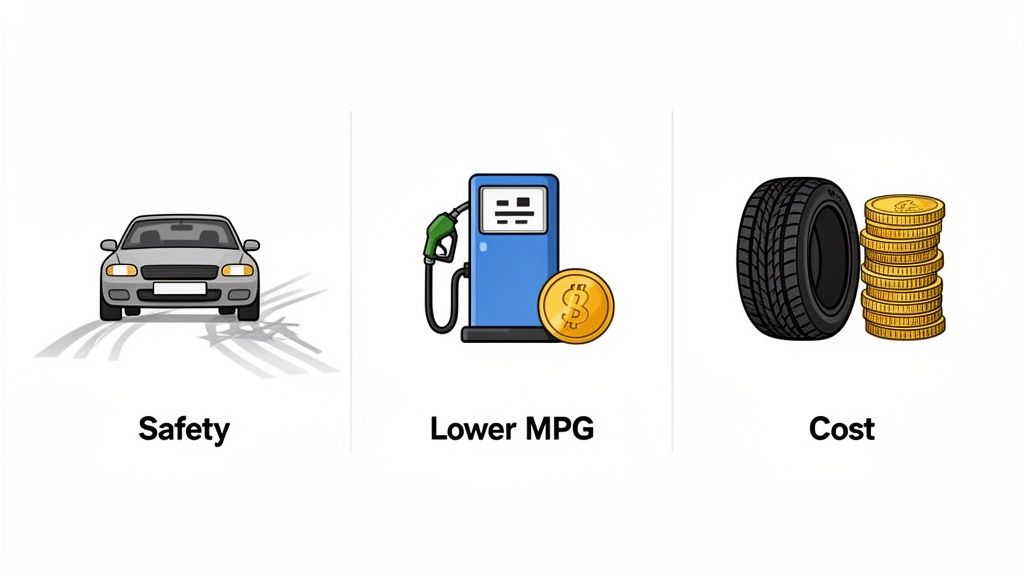
When your tires are underinflated, they can't grip the pavement the way they were designed to. This seriously compromises your vehicle's handling, making steering feel less precise and slowing down your reaction time. On slick, wintry roads, that loss of control can be especially dangerous.
Even more alarming, low pressure significantly increases the distance it takes for your car to come to a complete stop. Those few extra feet can easily be the difference between a near miss and a serious accident.
The Hidden Costs of Underinflation
Beyond the immediate safety risks, driving on underinflated tires is like having a slow leak in your bank account. The two biggest culprits are poor fuel economy and accelerated tire wear.
First, low pressure creates more rolling resistance, which is just a technical way of saying your engine has to fight harder to keep the wheels turning. This extra effort burns more gas just to maintain your speed. According to the U.S. Department of Energy, your gas mileage drops by 0.2% for every 1 PSI your tires are underinflated.
An underinflated tire flexes more than it should, causing excessive heat buildup. This not only wastes fuel but also dramatically increases the risk of a dangerous and unexpected tire blowout at high speeds.
Second, incorrect pressure causes your tires to wear down unevenly. The outside edges take a beating and wear out much faster than the center of the tread, drastically shortening the life of your tires. This means you’ll be shelling out for a brand-new set much sooner than you planned. A great way to fight this is with regular maintenance; you can learn more about this in our guide on the cost of tire rotation.
Your Step-By-Step Guide to Checking and Inflating Tires
Knowing that your tire pressure drops in cold weather is half the battle; the other half is knowing what to do about it. Learning how to confidently check and adjust your tire pressure is a simple skill that keeps you safer on the road and even saves you money on fuel and tire replacements.
The most important number you need isn't printed on the tire itself. Instead, look for a sticker inside your driver's side door jamb.
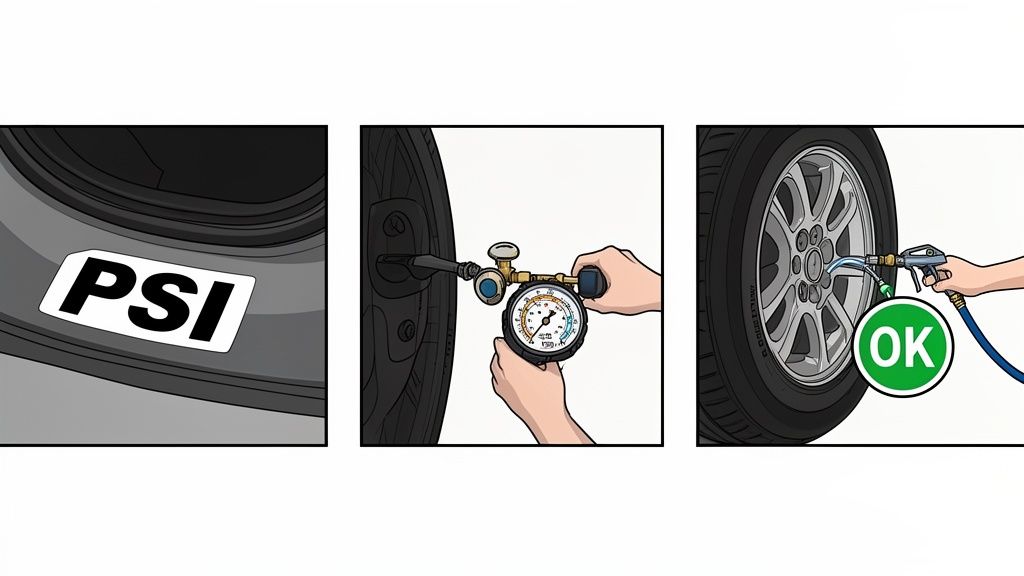
That little sticker lists the manufacturer's recommended PSI (pounds per square inch)—the exact pressure your tires need for the best possible safety and performance. The big number you see on the tire's sidewall? That’s the maximum pressure the tire can handle, not what you should be aiming for.
Finding and Using the Right PSI
For the most accurate reading, you should always check your tires when they’re "cold." This doesn’t mean they need to be icy—it just means your car has been parked for at least three hours, giving the tires time to cool down to the surrounding air temperature.
Here’s the simple process for getting it done:
- Find the Recommended PSI: Pop open your driver's side door and find the sticker on the jamb. If it's not there, check your owner’s manual.
- Unscrew the Valve Cap: Take the cap off the tire’s valve stem and put it somewhere safe so you don't lose it.
- Use a Pressure Gauge: Press a reliable pressure gauge firmly onto the valve stem. You’ll hear a quick hiss of air, and then the gauge will give you a reading.
- Compare and Adjust: If the number on the gauge is lower than the recommended PSI, it's time to add some air.
Don't forget to check all four tires, as the pressure can be different in each one. It's also a great idea to check your spare tire—it won’t do you any good in an emergency if it's flat!
Keeping a good portable tire air pump in your trunk makes it easy to top off your tires wherever you are. Otherwise, you can swing by any gas station and use their air compressor. Just add air in short bursts, checking the pressure with your gauge after each one until you hit that target PSI.
For a deeper dive into why this is so important, check out our other article on maintaining the correct tire pressure.
Other Culprits Behind Low Tire Pressure
While a cold snap is the most common reason your TPMS light suddenly comes on, it’s certainly not the only possibility. If that warning light stays on even after you’ve topped off your tires, or if one tire seems to lose air much faster than the others, it’s time to look beyond the weather.
Sometimes, the culprit is a slow, sneaky leak you can’t easily spot. A small nail or screw embedded deep in the tread can let air escape so gradually you might not notice for days or even weeks. This is a classic reason why you might find one tire consistently lower than the rest.
Common Sources of Persistent Air Loss
Another frequent offender is the valve stem—that little black nozzle you use to add air. Over time, the rubber can become brittle and cracked from exposure to the elements, creating a poor seal that allows air to slowly seep out.
Similarly, the seal where the tire meets the wheel rim can be compromised. A bit of corrosion, built-up grime, or even minor damage to the rim itself can prevent the tire from seating perfectly. This creates a frustratingly slow but steady drop in pressure.
It's also important to remember that all tires naturally lose some air over time through a process called permeation.
Even a perfectly healthy tire will lose about 1-2 PSI per month as air molecules gradually work their way through the rubber. This natural loss, combined with a sudden temperature drop, is often enough to push your tire pressure just below the threshold and trigger that dashboard warning. For a deeper dive into this, Consumer Reports offers some great insights on why tires lose air over time.
When a Professional Tire Check Is Necessary
Knowing your tire pressure drops in the cold is a great first step, but it's just as crucial to recognize when the problem is more than just a temperature dip. While you can handle routine top-offs at home, certain signs are your car's way of telling you it's time to let a professional take a look.
For instance, if your TPMS light stays on even after you’ve correctly inflated all four tires, it could point to a faulty sensor or a more complex issue. That little light is your first line of defense against a dangerous pressure drop, so it's not something you want to ignore.
Signs You Need an Expert Opinion
Another major red flag is a single tire that consistently loses air faster than the others. This almost always points to a slow leak from a puncture, a bad valve stem, or a poor seal where the tire meets the wheel—problems that need an expert diagnosis to fix right.
You should also get professional help right away if you spot any visible damage.
- Cracks or Cuts: Any visible cracking in the sidewall compromises your tire’s structural integrity.
- Bulges or Blisters: These spots mean the tire's internal structure is damaged, creating a serious risk of a blowout on the road.
A trained technician can do a lot more than just add air. We use specialized tools to pinpoint hidden leaks, diagnose TPMS sensor failures, and inspect for internal damage that isn’t visible to the naked eye.
Don’t guess when it comes to tire safety. If you're running into any of these issues, bringing your vehicle to a certified tire shop is the best way to ensure it’s truly ready for the road.
Frequently Asked Questions About Winter Tire Care
Even after wrapping your head around the science of why tire pressure drops in the cold, a few questions might still be lingering. Let's tackle some of the most common ones to keep you driving confidently through the winter months.
How Often Should I Check My Tires in Winter?
We always recommend checking your tire pressure at least once a month and definitely before you head out on a long trip. But when North Texas weather gets really unpredictable with big temperature swings, checking every two weeks is a smart habit. This helps you stay ahead of any significant pressure drops before they become a problem.
Should I Overinflate My Tires for Cold Weather?
That’s a definite no. Overinflating your tires is just as risky as letting them run low. When a tire is overinflated, the center of the tread bulges out, reducing the amount of rubber that actually touches the road. This can lead to poor traction on slick surfaces, a much harsher ride, and uneven wear that shortens the life of your tires. Always stick to the manufacturer's recommended PSI found on the sticker inside your driver's door.
Why Is My TPMS Light On if My Tires Look Fine?
Tires are deceptive—they can be underinflated by 25% or more before you can see any difference just by looking at them. That TPMS light on your dash is your most important early warning. Experts confirm that the "1 PSI loss for every 10°F drop" rule is a top reason for winter alerts, proving a tire can be dangerously low without looking flat at all.
For those interested in how cold affects modern vehicles overall, learning how to properly operate an electric vehicle in winter offers some great insights, as many of the core safety principles apply to all cars.
If you're ever second-guessing your tire pressure or that stubborn TPMS light just won't go away, don't leave it to chance. The ASE-certified technicians at Kwik Kar Oil Change and Auto Care are here to help. Schedule a professional tire inspection at https://www.kkrichardson.com and get back on the road with total confidence.