That shudder you feel through the steering wheel when you hit the brakes isn't just annoying—it's your car's way of telling you something needs a closer look. If you're in a hurry for the likely culprit, nine times out of ten, it's an issue with your brake rotors. This front end shaking when braking is most often caused by uneven or warped brake rotors, which keeps the brake pads from grabbing the rotor surface smoothly and consistently.
Why Your Car Shudders When You Stop
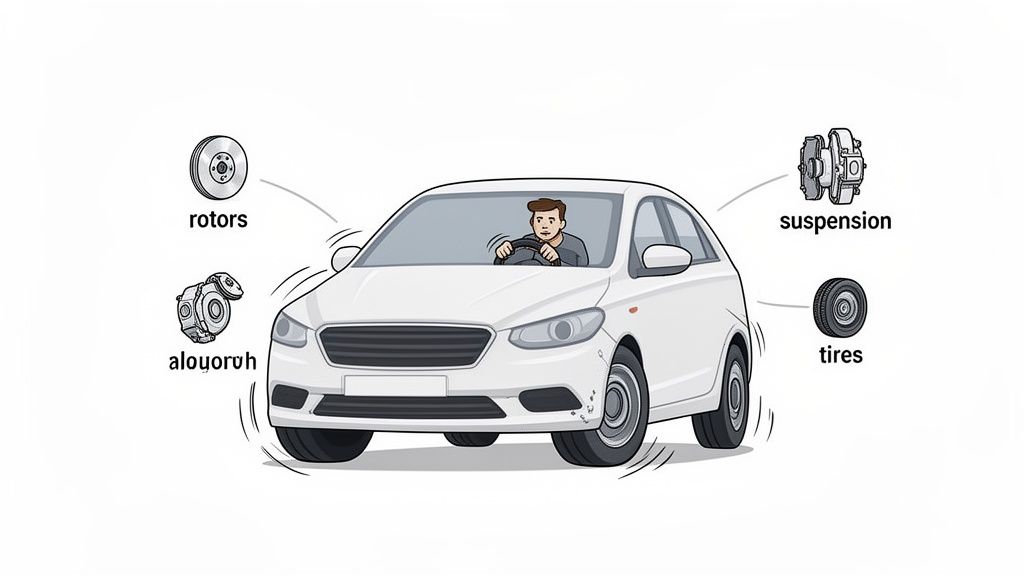
That vibration isn’t just a random quirk. It’s a physical symptom of a problem brewing in your car's braking, suspension, or wheel systems. When you press that brake pedal, you kick off a complex chain reaction that turns forward motion into heat, bringing you to a safe stop. Any flaw in that system gets amplified and sent right back to you as a shake or shudder.
It helps to think of it like a spinning top that's just a little bit off-balance. At slow speeds, you might not notice a thing. But as it spins faster, that tiny wobble becomes a huge shake. In the same way, even microscopic variations on the surface of your brake rotors can create a very noticeable pulsation through your steering wheel and brake pedal, especially when you brake hard or from highway speeds.
The Primary Suspects Behind Braking Vibrations
While nothing beats a professional diagnosis, the type of vibration you're feeling often points to a few usual suspects. Knowing what to look for can help you describe the problem to a technician, which always leads to a faster, more accurate fix. The source of that shaking almost always comes down to one of three areas:
- Brake System Components: This is where we look first. Issues like warped rotors or unevenly worn brake pads are responsible for the vast majority of brake-related vibrations.
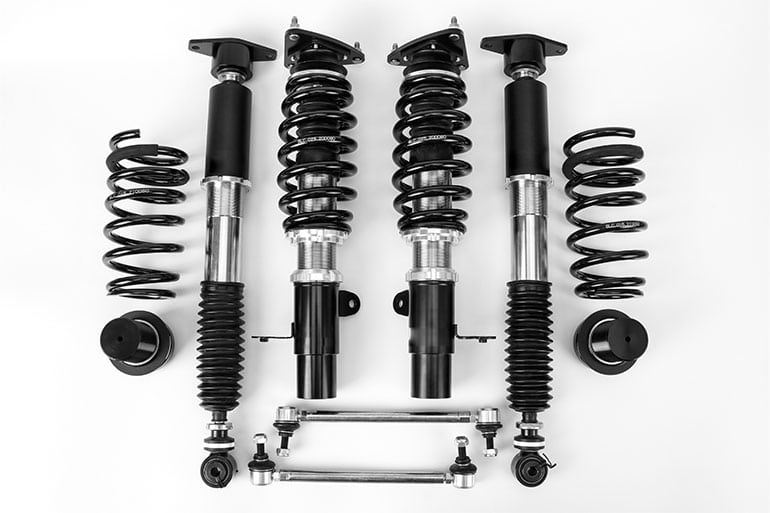
- Suspension and Steering Parts: Worn-out parts like ball joints, bushings, or tie rod ends can create extra "play" in your front end. That looseness becomes very obvious under the stress of braking.
- Tires and Wheels: Problems like unbalanced tires or, more seriously, loose lug nuts can also show up as a shake, especially when you apply the brakes.
It's critical to remember that all these systems work together. A problem in your suspension can feel like a brake issue, and vice-versa. That’s why a complete inspection is the only way to be sure you’re fixing the right thing.
Warped or uneven brake rotors are, by far, the most common cause of this exact problem. Automotive service data consistently shows that rotor thickness variation is the top reason for vibration complaints at highway speeds. It's particularly noticeable above 60 mph, where even the tiniest surface imperfection gets magnified. You can learn more about related brake problems on the Wisco Automotive blog.
Ultimately, figuring out the specific cause of a front end shaking when braking means looking at how all these systems interact. The sensation you feel—whether it’s a pulsing pedal, a wobbly steering wheel, or a general shudder through the whole car—provides the crucial clues we need to get you back on the road safely.
Inspecting the Brake System for Common Failures
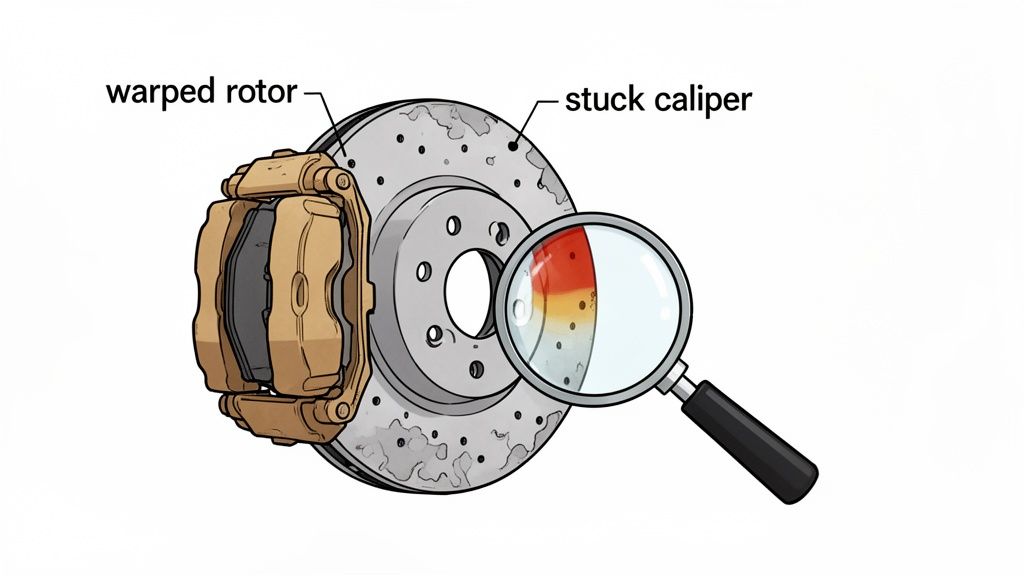
When you feel that front end shaking when braking, your first and most logical suspect is the brake system itself. These parts take a beating, absorbing massive amounts of heat and pressure every single time you hit the pedal. It's no surprise they're the most common source of vibrations.
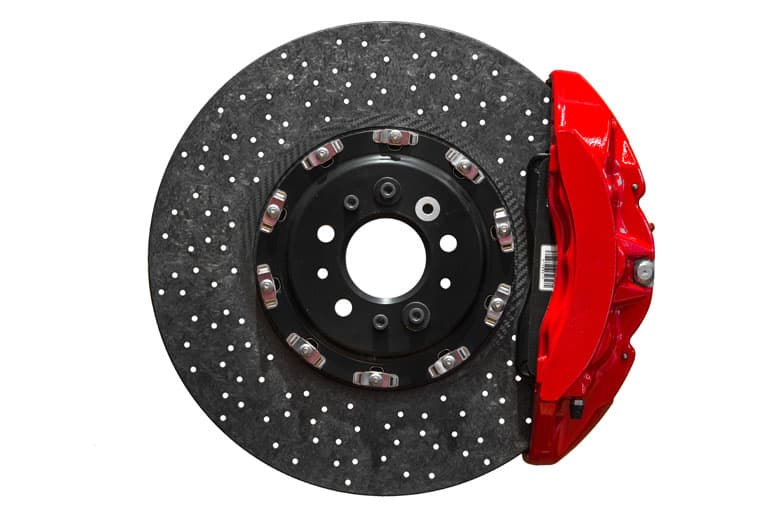
More often than not, the problem traces back to the brake rotors. The intense heat from braking can cause the rotor's metal surface to warp. We're not talking about a visible bend; these variations can be as tiny as a few thousandths of an inch. But that's all it takes to create a high spot that your brake pad hits with every rotation, sending a rhythmic pulse straight through the steering column to your hands.
Pinpointing the Brake Problem
Imagine you're driving down a long, steep grade, riding the brakes to control your speed. That’s a perfect recipe for generating the kind of extreme heat that leads to warped rotors. The shaking might feel minor at first, but it usually gets worse the harder and more frequently you brake.
Another frequent offender is uneven brake pad material transfer. Under heavy braking, a thin, patchy layer of the pad's friction material can literally get smeared onto the rotor. This creates a grabby, inconsistent surface, causing the pads to bite and release in rapid succession—a sensation you feel as a shudder.
Key Takeaway: The vibration you're feeling is almost always caused by an inconsistent contact surface between your brake pads and rotors. Whether it's a heat-warped rotor or uneven pad deposits, the result is a "slip-and-grip" cycle that shakes the car.
Of course, looking beyond just the brakes is smart. Sticking to a schedule of regular vehicle maintenance is the best way to catch potential issues all over your car before they turn into bigger headaches.
Stuck Calipers and Worn Pads
A less common but far more dangerous cause is a stuck brake caliper. The caliper is the hydraulic clamp that squeezes the pads against the rotor. If rust or debris causes its piston or slide pins to seize up, it won't fully release when you take your foot off the pedal.
This means the brake pad stays in constant contact with the rotor, creating non-stop friction and extreme heat. A stuck caliper can warp a rotor in a hurry, leading to a sudden and often violent vibration. A tell-tale sign is a distinct burning smell after a drive or noticing one wheel is much hotter to the touch than the others.
Finally, don't overlook your brake pads. When pads are worn dangerously thin, they can't dissipate heat effectively, which makes the rotors much more likely to warp. Our guide on when to replace brake pads dives deeper into the warning signs to watch for.
- Warped Rotors: The number one cause. You'll feel a distinct pulsing in the steering wheel as high spots on the rotor make contact.
- Uneven Pad Deposits: Creates a "grab-and-release" shudder as the pads hit inconsistent friction spots on the rotor.
- Stuck Caliper: A serious safety hazard. It generates intense heat that quickly warps the rotor and can cause a severe shake.
If that shaking is paired with a loud grinding noise, stop driving as soon as it's safe. That's a critical warning that your pads are completely gone, and you now have metal grinding directly on metal. This is incredibly dangerous and is actively destroying your brake system.
When Shaking Comes From Suspension And Steering
Sometimes, that shudder you feel when you hit the brakes has nothing to do with the brakes at all. The real problem might be hiding in the suspension and steering systems that hold everything together. The intense force of stopping just happens to be what exposes the weakness.
Think of your suspension as the frame that keeps your car stable on the road. After tens of thousands of miles, its joints and connections naturally start to wear out. Key parts like ball joints, tie rod ends, and control arm bushings degrade over time, creating tiny amounts of looseness where everything should be tight.
You might not even notice this gradual wear during normal driving. But the second you press the brake pedal, the car's weight lunges forward, putting a ton of stress on these already weakened parts. That little bit of slack suddenly allows for a lot of movement, and you feel it as a wobble or shake right through the steering wheel.
Identifying Worn Suspension Parts
A shake from worn suspension parts often feels different from a warped rotor. While a bad rotor creates a rhythmic, pulsing sensation, a suspension issue can feel more like a general looseness, a shimmy, or a side-to-side wobble. This is an especially common problem in higher-mileage vehicles where wear and tear is just a fact of life.
A few usual suspects are often to blame:
- Worn Ball Joints: These are the critical pivot points that connect your wheels to the suspension. When they get worn, the wheel can wobble slightly on its own—a movement that braking force amplifies dramatically.
- Loose Tie Rod Ends: These little joints connect your steering rack to the wheels. If they’re loose, your steering might feel like it has a "dead spot," causing a shake as the wheel shifts under braking pressure.
- Degraded Control Arm Bushings: These are rubber or polyurethane insulators that absorb road shock and keep the suspension aligned. Once they crack or collapse, they allow for unwanted movement that really shows itself when you stop.
The key takeaway here is that braking is just the trigger. It’s revealing an instability that was already there in your suspension. This is why just slapping on new rotors might not fix the problem if a worn-out tie rod is the true culprit. For a deeper dive, check out our guide on what causes steering wheel vibration.
Why a Professional Diagnosis Matters
It's incredibly common for suspension and steering issues to be misdiagnosed as simple brake problems. Your car's suspension system is complex, with dozens of parts that can fail over time. The instability only gets worse when you brake from higher speeds, as more of the vehicle's weight shifts forward.
Because it's so complex, getting a professional diagnosis is the only way to be sure. A certified technician can get your vehicle on a lift and physically check each component for excessive play or wear—something that’s nearly impossible to do safely in your driveway. This hands-on inspection is the only way to pinpoint the source of the looseness and make sure the right part gets replaced, restoring your car's stability and your confidence on the road.
A Practical Guide to Diagnosing the Vibration
When your front end starts shaking every time you hit the brakes, it's time to put on your detective hat. Figuring out the root cause is a process of elimination, and it's best to start with the simple, safe checks you can do yourself before moving on to things that need a professional eye. We'll walk you through how to methodically track down the source of that wobble.
This flowchart can help you visualize the diagnostic path, depending on what kind of shake you're feeling.
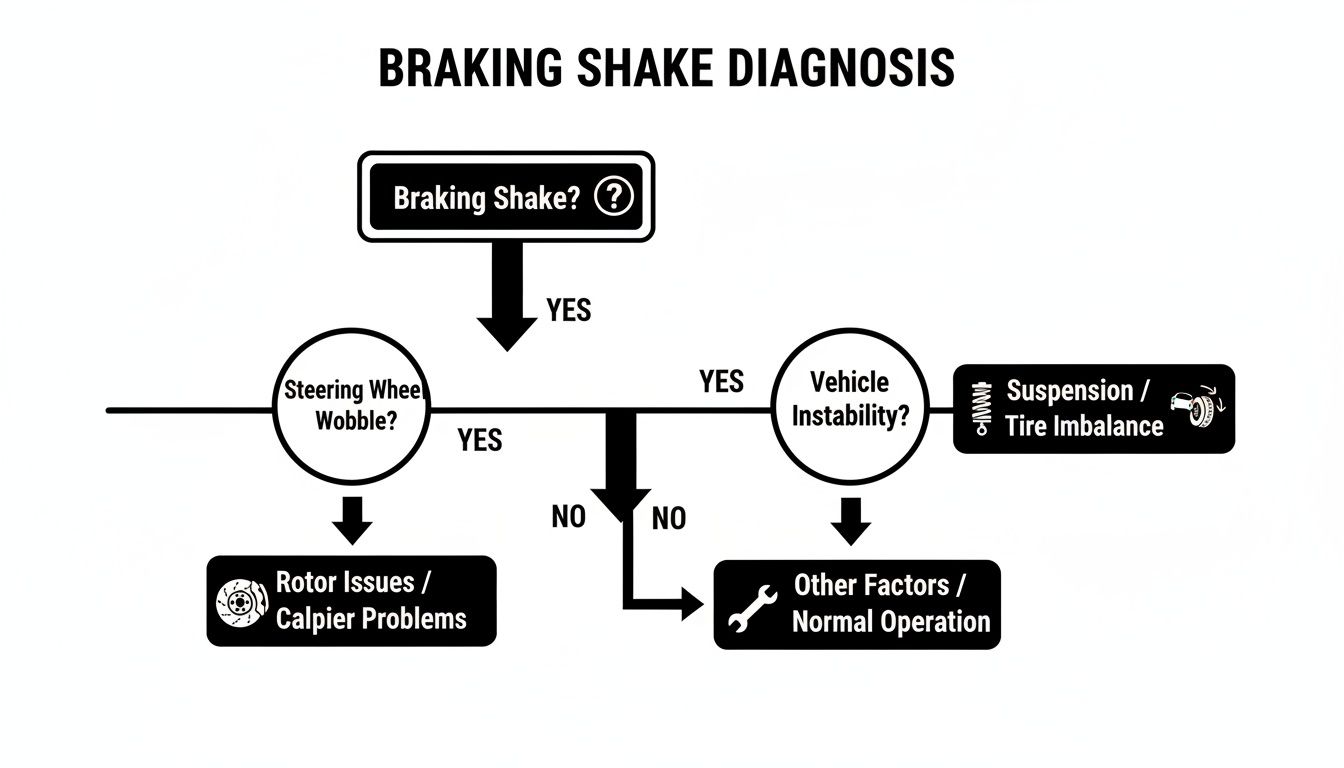
As you can see, whether the steering wheel is wobbling in your hands or the whole vehicle feels unstable can point you in different directions. This helps narrow things down right from the start.
Simple Checks You Can Do at Home
You don't need a full set of tools or a mechanic's license to perform a few basic inspections. These are things you can check right in your driveway, and they often uncover the problem without you ever needing to schedule a service appointment.
First, take a good, hard look at your tires. Are you seeing any weird wear patterns, like the inside or outside edges looking bald? That's a classic sign of an alignment problem. While you're down there, run your hand along the sidewalls and look for any bulges or bubbles. A bulge means the tire has internal damage, and it's a major safety risk.
Next, grab a reliable tire pressure gauge. Underinflated tires can flex and squirm when you brake, causing a wobbly, unstable feeling as the car's weight shifts forward. Make sure every tire is inflated to the PSI recommended by the manufacturer—you can find this number on a sticker inside your driver's side door jamb.
Finally, and this one is critical, check your lug nuts. With the car in park on a level surface (and the parking brake on!), use a lug wrench to make sure every single nut is snug. A loose wheel is a huge safety hazard and is a definite cause of severe front end shaking when braking.
A surprising number of vibration issues are traced back to something as simple as a loose lug nut or improper tire pressure. These five-minute checks should always be your first step.
When to Call a Professional Technician
If you've done your homework at home and haven't found a smoking gun, it's time to bring in the pros. A certified technician has the right tools and years of experience to diagnose issues that are impossible to spot with the naked eye.
So, what should you expect from a professional inspection?
- Measuring Rotor Runout: A technician will use a dial indicator—a super precise tool that measures variations down to the thousandth of an inch—to see if your brake rotors are warped. This is the definitive test to confirm if rotors are causing that pulsing sensation in your brake pedal.
- Inspecting Suspension Components: With your vehicle safely on a lift, a mechanic can get a good look at all the suspension parts. They'll physically check ball joints, tie rod ends, and control arm bushings for any looseness or "play" that could cause a wobble when you hit the brakes.
- Checking Wheel Bearings: A bad wheel bearing can also be the culprit. A technician will spin the wheel by hand, feeling for roughness and listening for a distinct grinding or humming noise that tells them a bearing is on its way out. It’s a sound that a trained ear can pick up quickly.
Trying to diagnose worn suspension parts or check rotor runout without the proper equipment is not only inconclusive but also unsafe. It's smart to know when to hand the keys to an expert.
DIY Checks vs. Professional Diagnostics
It’s important for every driver to know where their skills end and a technician's expertise begins. Some checks are perfectly safe to do yourself, while others require specialized equipment and a controlled environment like a service bay.
Here’s a quick breakdown to help you decide when to tackle it yourself and when to call us at Kwik Kar.
| Diagnostic Task | Can I Do It Myself? | Tools Required | Why It Matters |
|---|---|---|---|
| Visual Tire Inspection | Yes | Your eyes | Can spot obvious signs like bulges or severe, uneven tread wear. |
| Check Tire Pressure | Yes | Tire pressure gauge | Improper inflation is a common, and easily fixed, cause of instability. |
| Check Lug Nut Torque | Yes | Lug wrench | A loose wheel is a major safety hazard that causes severe vibration. |
| Measure Rotor Runout | No | Dial indicator, magnetic base | Requires precision tools to detect warping invisible to the naked eye. |
| Inspect Suspension/Steering | No | Vehicle lift, pry bars | Unsafe without a lift; requires experience to detect subtle wear. |
| Diagnose Wheel Bearings | No | Vehicle lift, mechanic's stethoscope | Hard to diagnose accurately without lifting the vehicle and spinning the wheel. |
Ultimately, while the quick checks can rule out simple issues, the more complex and critical components of your braking and suspension systems need a professional touch. For anything beyond a basic visual inspection, trusting an expert not only guarantees an accurate diagnosis but also ensures your vehicle is safe to drive.
Finding a Trusted Solution for Your Brake Repair
Once you have a good idea of what’s causing that front end shaking when braking, the next step is getting it fixed right. While popping the hood to check a few things yourself is great for ruling out the easy stuff, brake and suspension work isn’t the place for guesswork. This kind of job demands precision, specialized tools, and a deep understanding of your car's safety systems. This is where a certified professional is non-negotiable.
When you bring your car to a qualified shop, you’re paying for more than just a new part—you're getting an accurate diagnosis. A skilled technician has the experience to tell the difference between a warped rotor and a worn-out ball joint, which can save you from spending money on a fix that doesn't actually solve the problem. Getting it right the first time saves you time, money, and most importantly, ensures your car is safe to drive.
What to Look for in a Quality Auto Repair Shop
Choosing the right facility makes all the difference. Always look for a shop that employs ASE-certified technicians. This certification is the gold standard in the auto industry, guaranteeing the mechanics have proven their skills and knowledge through serious testing.
A top-notch shop will also be equipped with modern diagnostic tools, like dial indicators to measure tiny imperfections in a rotor or electronic testers for suspension components. Transparency is another huge factor. The service team should walk you through the issue, show you the worn parts if they can, and give you a clear, detailed estimate before any wrenches start turning.
A trustworthy mechanic doesn't just treat the symptom; they find and fix the root cause. Their main goal is to make sure your vehicle isn't just running smoothly, but is fundamentally safe for you and your family.
From Diagnosis to Dependable Repair
A professional repair connects the dots between the vibration you feel in the steering wheel and a precise, effective solution. If the diagnosis points to warped rotors, a good technician won’t just slap on new ones. They’ll also inspect the brake calipers to make sure they aren’t sticking and causing the overheating that warped the rotors in the first place. If a failing ball joint is the culprit, they’ll check the surrounding steering and suspension parts for any collateral wear.
This comprehensive approach is the key to a reliable, long-lasting repair. Here at Kwik Kar, our certified team is equipped to handle everything from a precision brake job to complex suspension diagnostics. We use quality parts and take pride in our workmanship to get your vehicle’s stability back and restore your peace of mind.
Learn more about our approach to expert brake inspection and repair services and let us help you get back on the road safely.
Of course. Here is the rewritten section, crafted to sound like an experienced human expert, following all the provided guidelines and examples.
Your Questions Answered
Even after narrowing down the likely culprits, it's natural to have a few more questions about that front end shaking when braking. Let's tackle some of the most common ones we hear from drivers in the shop.
How Much Is This Going to Cost Me?
That's the big question, isn't it? The final bill really depends on what we find during the inspection. If it’s a straightforward case of warped brake rotors and worn-out pads, you’re typically looking at a cost between $300 to $800+ per axle. That range covers the differences in vehicle makes, models, and the quality of the replacement parts.
But if the problem lies deeper in the suspension—say, a bad ball joint or a worn tie rod end—the cost could be anywhere from $250 to $500 per part, including the labor to install it. Because the price can swing so much, a professional diagnosis is the only way to get a solid, accurate estimate for your specific car.
Is It Okay to Keep Driving If It Shakes When I Brake?
Honestly, I wouldn't recommend it. That vibration you're feeling is a clear signal of instability in one of your car's most critical safety systems—either the brakes or the suspension. This kind of instability can seriously affect your ability to stop quickly or maintain control, especially if you have to slam on the brakes in an emergency.
Pushing your luck and continuing to drive doesn't just put you at risk; it pretty much guarantees the problem will get worse. A slightly warped rotor can lead to a seized caliper, and a loose ball joint can fail completely. That turns a manageable repair into a much bigger, more expensive headache.
Can My Tires Really Cause Shaking Only When I Brake?
Yes, absolutely. It's a bit counterintuitive because we usually associate tire vibrations with high speeds, but certain tire problems only rear their ugly head under the intense pressure of braking.
When you hit the brakes, all of your car's weight shifts forward, putting a massive load on the front tires. This force can expose issues that you wouldn't otherwise notice, like:
- Internal Belt Separation: A damaged belt inside the tire can create a weak spot that bulges or shifts only under the heavy load of braking.
- Serious Flat Spots: If a car sits for a long time, the tires can develop flat spots that cause a thumping sensation when you slow down.
- Severe, Uneven Wear: Sometimes, a bad alignment can cause such choppy tire wear that it contributes to the shaking when you brake.
This is exactly why any good brake inspection has to include a careful look at the tires, too.
If you're feeling any of these symptoms, don't put it off and hope it goes away. The ASE-certified technicians at Kwik Kar Oil Change and Auto Care have the right diagnostic tools and years of experience to pinpoint the exact cause of the shaking and get it fixed right. Your safety is our number one priority. Schedule your brake inspection today by visiting us at https://www.kkrichardson.com.