For most Texas drivers, figuring out "how much do state inspections cost in Texas" just got a lot simpler. As of 2025, the state did away with the mandatory safety inspection for most cars, swapping it out for a flat $7.50 'inspection program replacement fee' that you'll pay with your annual vehicle registration.
The Real Cost of a Texas Vehicle Inspection in 2026
The whole landscape of vehicle inspections in Texas has shifted. If you've been driving here for a while, you probably remember the old routine: visit an inspection station, pay for a safety check, and then pay another fee when you registered your car. The new system streamlines all of that for most drivers.
This all came about thanks to House Bill 3297, which took effect on January 1, 2025. Before the change, you were looking at about $7 for the safety check itself, plus the $7.50 program fee later on, totaling around $14.50. The idea behind the bill was to cut out a time-consuming step for drivers while still making sure our state highways and clean air programs get the funding they need. You can read more about this legislative change on the official Texas DPS site.
So, what does this actually mean for your wallet? For the vast majority of us with regular, non-commercial cars, the annual cost is now just that $7.50 replacement fee. But, like with most things, there are a few important exceptions.
Key Fee Structures for Texas Drivers
The final price tag isn't a one-size-fits-all deal. What you'll actually owe depends on a couple of key factors.
- Standard Vehicles: Most drivers will only see the $7.50 fee tacked onto their registration bill. Simple as that.
- New Vehicles: If you're registering a brand-new car for the very first time, you'll pay a bit more upfront. The fee is $16.75, but it covers the first two years of the program.
- Emissions Testing: This is the big one. If you live in one of the 17 designated emissions counties, you still have to get an annual emissions test. That test comes with its own separate cost, which can change what you pay overall.
This flowchart breaks down the basic cost structure for most Texas drivers.

As you can see, where your vehicle is registered is now the single biggest factor that determines your total inspection-related costs each year.
To make it even clearer, here’s a quick summary of the different inspection-related fees Texas drivers can expect to pay.
Texas Vehicle Inspection Fee Breakdown (2026)
| Vehicle Type / Situation | Applicable Fee | What It Covers |
|---|---|---|
| Standard Vehicle Registration | $7.50 | The annual Inspection Program Replacement Fee for most passenger cars. |
| New Vehicle (First Registration) | $16.75 | The fee for a brand-new vehicle, which covers the first two years. |
| Emissions Test Required | $11.50 + Station Fee | For vehicles in 17 designated counties, covering the emissions check itself. |
| Safety-Only Inspection | $7.00 | Required for trailers, motorcycles, or commercial vehicles. |
This table gives you a bird's-eye view of the fees. For the majority of drivers, only that first line item—the $7.50 fee—will apply directly to their annual registration.
Why Your Inspection Cost Might Be Higher
You might see the simple $7.50 state fee advertised and expect a quick, cheap visit, only to find your final bill is significantly higher. If you're left wondering what happened, the answer almost always comes down to one thing: emissions testing. This extra step doesn't apply to every driver in Texas, but for those it does, it changes the entire cost equation.
For drivers in 17 specific Texas counties, the old inspection rules haven't entirely gone away. These counties, which include major metro areas like Collin, Dallas, Tarrant, and Harris, are designated by the EPA as having higher air pollution. To meet federal Clean Air Act standards, vehicles registered in these areas must still pass an annual emissions test.

This test is done at a certified inspection station and adds a separate charge on top of the state's portion. It’s best to think of the $7.50 as the base price, with the emissions test being an add-on required by where you live.
The Added Cost of Emissions Testing
The fee for the emissions test itself usually runs between $11.50 to $18.50, and this money is paid directly to the inspection station for their service. So, if you live in one of the affected counties, your total annual expense is the combination of the station’s test fee and the state's registration fee.
Your new yearly total would be: $11.50 (emissions test) + $7.50 (registration fee) = $19.00 minimum.
This requirement was kept in place by House Bill 3297 as a way to balance deregulation with important environmental rules. Even as most safety inspections were phased out, experts pointed out that removing all checks could have some unintended side effects.
Failing the emissions test is a major headache. It stops you from renewing your registration and often leads to re-inspection fees and frustrating delays. If your "Check Engine" light is on, you can learn more in our guide on what to do after a failed emissions test in Texas. Other issues, like a cracked windshield, can also lead to a failed inspection and drive up your costs; understanding potential windshield replacement costs can help you budget for these unexpected repairs.
The Rules for Commercial Vehicles

While the new law is a big change for most passenger cars, it’s a different story for commercial vehicles. If you own a business fleet, manage work trucks, or operate any commercial vehicle in Texas, the old rules are still very much in effect for you—no matter which county you’re in.
These vehicles are required to pass a full, annual safety inspection to stay compliant and operate legally. This isn’t a suggestion; it’s a hard-and-fast rule designed to hold heavy-duty vehicles, which take a lot more wear and tear, to a higher safety standard.
What the Commercial Inspection Covers
Unlike the simplified process for personal cars, the commercial inspection is a comprehensive, bumper-to-bumper check. Our inspectors go through the key safety systems to make sure everything is in proper working order.
Here are some of the critical items we check:
- Braking Systems: We verify that the brakes engage correctly and can bring the vehicle to a safe stop.
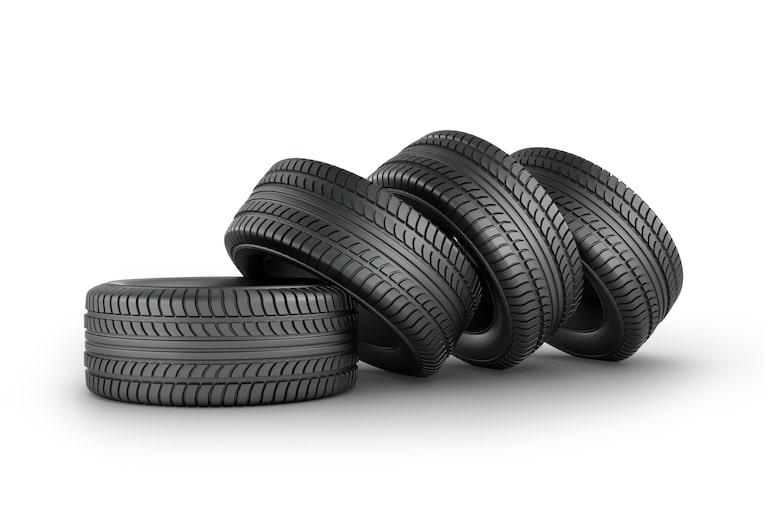
- Tires and Wheels: This involves inspecting for proper tread depth and any signs of structural damage.
- Lighting and Electrical Systems: We ensure all headlights, taillights, turn signals, and other lights function as they should.
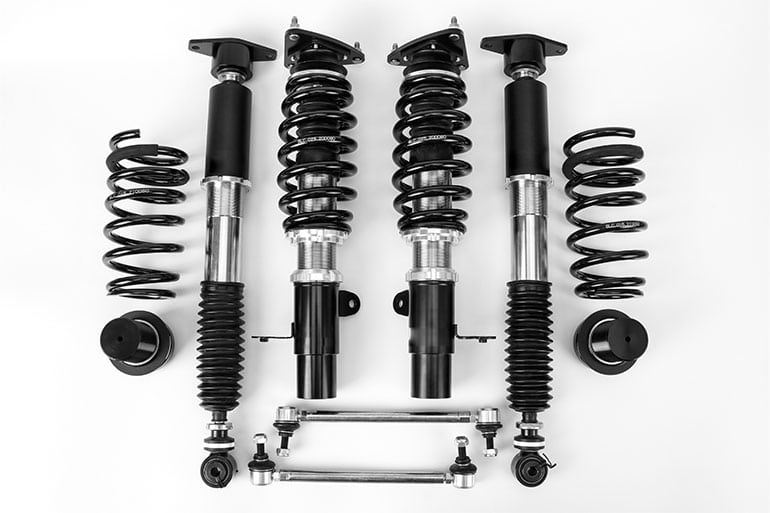
- Steering and Suspension: Our team checks for responsive handling and safe operation.
Because this check is so thorough, the answer to "how much do state inspections cost in Texas" is different for commercial vehicles. The fee for a commercial safety inspection typically falls between $40 and $55, which is paid directly to the inspection station.
This is a crucial detail for any business owner. Failing to keep your commercial vehicles inspected can lead to fines over $1,000, costly operational downtime, and a huge increase in liability.
Since these vehicles pay for a full inspection, they are exempt from the $7.50 replacement fee that personal cars pay at registration. This system ensures the more than 500,000 commercial vehicles in Texas fleets are kept safe. You can get a closer look at why these inspections remain mandatory by reviewing the details of the new Texas vehicle inspection law.
How to Prepare Your Vehicle and Avoid Extra Costs

Nobody likes paying for a failed inspection. For drivers in Texas emissions counties, a failed test means you can't register your vehicle, which leads to frustrating delays and the hassle of re-inspection fees. The best way to avoid these extra costs is to be a little proactive before you go.
The most common reason for an automatic failure is an illuminated 'Check Engine' light. Think of this light as your car’s way of telling you something is off with its emissions system. Sometimes, the fix is as simple as tightening a loose gas cap, but other times, it's signaling a deeper issue that needs a professional look.
Your Pre-Inspection Checklist
Before you head over to the inspection station, running through a quick, simple checklist can save you a lot of time and trouble. This isn’t a substitute for a full diagnostic, but it’s great for catching the most common and easily fixable issues.
- Check Your Gas Cap: Make sure it’s screwed on tight. A loose cap is a classic trigger for the 'Check Engine' light and an instant fail.
- Test All Your Lights: Do a quick walk-around of your vehicle. Check that your headlights, taillights, brake lights, and turn signals are all working properly.
- Inspect Your Horn and Wipers: Give the horn a quick honk and test your windshield wipers. You’ll need both to pass.
Remember, even small issues can lead to failure. Ensuring all your vehicle's lights are functioning and clear is a common inspection point. If your headlights are cloudy, knowing how to clean oxidized headlights can save you from a potential re-inspection fee.
Taking these small steps ahead of time significantly boosts your chances of passing on the first try. To help you cover all your bases, you can check out our comprehensive vehicle inspection checklist for more detailed tips.
Finding a Certified Inspection Station You Can Trust
When it's time for your state inspection, especially if your vehicle needs an emissions test, choosing where you go is a big deal. Not just any auto shop has the authority to perform this service. You have to find a location that is officially licensed by the Texas Department of Public Safety (DPS) as a certified inspection station.
Think of this certification as a seal of approval from the state. It confirms the shop has the right tools, trained technicians, and follows the exact procedures required for a legal and accurate inspection. Going to an uncertified shop is like asking a friend to notarize a legal document—it simply won't be recognized.
What to Look for in a Service Center
Beyond the official state license, a few other things signal you're at a high-quality, trustworthy shop. These credentials show a real commitment to excellent work and customer care that goes well beyond the state's minimum requirements.
- ASE-Certified Technicians: Always look for shops that employ technicians certified by the National Institute for Automotive Service Excellence (ASE). This is the gold standard for mechanic competency, ensuring the person checking your car is a proven professional.
- Advanced Diagnostic Tools: A top-tier station will invest in modern diagnostic equipment to precisely read your vehicle’s computer for any emissions-related trouble codes. This technology means you get an accurate test, not just guesswork.
- Transparent Estimates: A reputable shop will always be upfront about costs. While the base price for an emissions test is set by the state, they should clearly explain any recommended services or repairs needed to pass, all without pressuring you.
Finding a shop that can bundle services is also a huge time-saver. A location that handles your inspection, oil change, and any potential repairs in one visit makes the process much more convenient.
At Kwik Kar, we pride ourselves on being a trusted, full-service center for all of your vehicle's needs. If you want to learn more about what the process involves, take a look at our detailed guide on the Texas state inspection to see how we can help you get it done right.
Frequently Asked Questions About Texas Vehicle Inspections
The Texas vehicle inspection process can bring up a lot of questions, especially with the recent changes. We get it. Let’s walk through a few of the most common scenarios we see to make sure you’re clear on what to expect.
What Happens If My Car Fails The Emissions Test?
A failed emissions test means you can't renew your vehicle's registration until the issue is fixed and it passes. The inspection station will give you a Vehicle Inspection Report (VIR) that clearly lists why your car failed, which is often tied to that dreaded "Check Engine" light.
The good news is you get one free re-test, but there’s a catch. You have to return to the original inspection station within 15 days of the first test. This gives you a tight window to have a mechanic address the problems. If you go past the 15-day mark or decide to use a different station, you'll have to pay the full inspection fee all over again.
A failed test is a roadblock, not a dead end. Think of the VIR as a roadmap for your mechanic. It tells them exactly where to look, saving time and diagnostic fees. Acting quickly within that 15-day window is the key to avoiding extra costs.
Do I Need An Inspection For A New Car Or A Car From Another State?
Yes, but the process is a little different depending on your situation. When you buy a brand-new car in Texas, the dealership handles the initial inspection. It will come with a two-year inspection sticker, so you won't have to worry about another one until it expires. The $16.75 fee for this is usually bundled into your initial registration costs.
If you're moving to Texas and bringing your car with you, you’ll need to get it inspected within 30 days of registering it here. This inspection ensures your vehicle meets Texas safety and emissions standards (if you’re in an applicable county) before it officially becomes a Texas-based car.
Is A Voluntary Safety Inspection Still A Good Idea?
Even though the mandatory safety inspection has been phased out for most vehicles, getting a voluntary check is one of the smartest things a car owner can do. The new law puts the responsibility for your car’s safety squarely on your shoulders. Without a professional set of eyes on your vehicle annually, serious problems like worn-out brakes, dangerously thin tires, or suspension issues can go completely unnoticed.
A voluntary safety check is all about peace of mind. It allows a trained technician to spot small issues before they turn into major, expensive failures—or worse, an accident. Considering the old safety check cost only about $7, it’s still an incredibly cheap way to protect yourself, your family, and others on the road.
At Kwik Kar Oil Change and Auto Care, our ASE-certified technicians are here to help you navigate every step of the inspection and maintenance process with confidence. Schedule your appointment today and drive away knowing your vehicle is in expert hands.