Owning a classic or high-mileage car is a special kind of joy, but those frequent trips to the pump can really put a damper on the fun. The secret to better fuel efficiency isn't some complicated mystery—it's a straightforward mix of diligent maintenance, smarter driving, and a few key upgrades.
With a little attention, you can make a huge difference in your fuel budget and keep more money in your pocket.
Why Your Older Car Is Thirstier Than You Think
That nostalgic feeling of driving an older car often comes with a modern-day reality check at the gas station. Sure, vehicles from past decades weren't designed with today's strict fuel economy standards in mind, but that doesn't mean you're stuck with bad MPG.
The real culprit is often simple wear and tear. Over thousands of miles, key components slowly lose their edge, chipping away at your car's original efficiency. The good news? You can get a lot of that lost mileage back. The relationship between a car's age and its fuel use is less about outdated tech and more about how it's been cared for. A well-maintained 1995 sedan can easily sip less fuel than a neglected 2005 model.
The Slow Creep of Bad MPG
This drop in fuel economy happens so gradually that most drivers don't even notice it. Parts wear out, creating tiny inefficiencies that force your engine to work harder—and burn more gas—just to do the same job. Think of it like trying to run with a heavy backpack; you'll need more energy to go the same distance.
A small drop of 1-2 MPG per year might not sound like a big deal, but over five years, that can add up to hundreds of extra dollars spent at the pump.
We see the same common culprits time and time again:
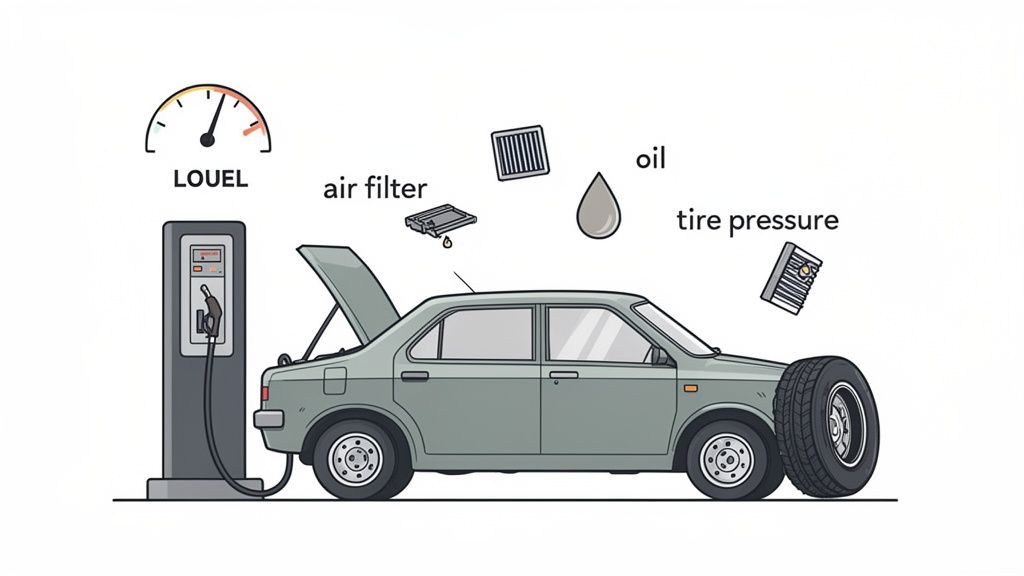
- Dirty Fluids and Filters: A clogged air filter literally suffocates your engine, while old, sludgy oil increases friction and makes everything work harder.
- Worn Spark Plugs: Bad plugs lead to incomplete combustion. That means fuel is being wasted with every single ignition stroke.
- Incorrect Tire Pressure: Underinflated tires create more rolling resistance, which is like driving with the emergency brake slightly engaged all the time.
- Failing Sensors: A bad oxygen sensor is notorious for wrecking fuel economy. It can throw off the critical air-fuel mixture, forcing the engine to run "rich" and guzzle gas.
A Quick Look at Automotive History
History shows us that big efficiency gains are totally possible. Between 1975 and 1987, new cars in the U.S. dramatically cut their fuel consumption from 7.6 gallons per 100 miles to just 4.5—a massive 40% improvement. This was thanks to new standards that pushed for lighter cars and more efficient engines.
Even with that progress, many older cars on the road today get poor mileage simply because basic maintenance has been ignored. To see how much things have changed, you can explore the history of MPG and horsepower improvements and see the engineering evolution for yourself.
The lesson here is simple: You can't change how your car was originally built, but you have total control over its maintenance. Getting your vehicle's core systems back into top shape is the single most effective thing you can do to win back those lost miles per gallon.
These quick fixes are some of the most effective and affordable ways to see an immediate boost in your car's fuel efficiency.
Quick Wins for Better Fuel Efficiency
| Action Item | Potential MPG Improvement | Estimated Cost |
|---|---|---|
| Check & Adjust Tire Pressure | Up to 3% | $0 – $2 |
| Replace Air Filter | Up to 10% | $15 – $50 |
| Use Correct Engine Oil | 1-2% | Cost of an oil change |
| Replace Spark Plugs | Up to 12% | $50 – $150 |
| Clean or Replace O2 Sensor | Up to 15% | $75 – $250 |
Focusing on these maintenance items first will give you the best bang for your buck before moving on to more involved upgrades.
Essential Maintenance for Maximum MPG
When you're trying to squeeze every last mile out of a gallon in an older car, routine maintenance isn't just a good idea—it's the foundation of your entire strategy. For a high-mileage engine, skipping the basics is like trying to run a marathon with your shoes untied. You're not going to get very far, and it's going to hurt your wallet in the end.
Let's get past the simple checklist and talk about why these jobs are so important for fuel economy. That lag you feel when you step on the gas? That could easily be a dirty air filter choking your engine, and fixing it can bring your car back to life while saving you cash at the pump.
Let Your Engine Breathe Easy
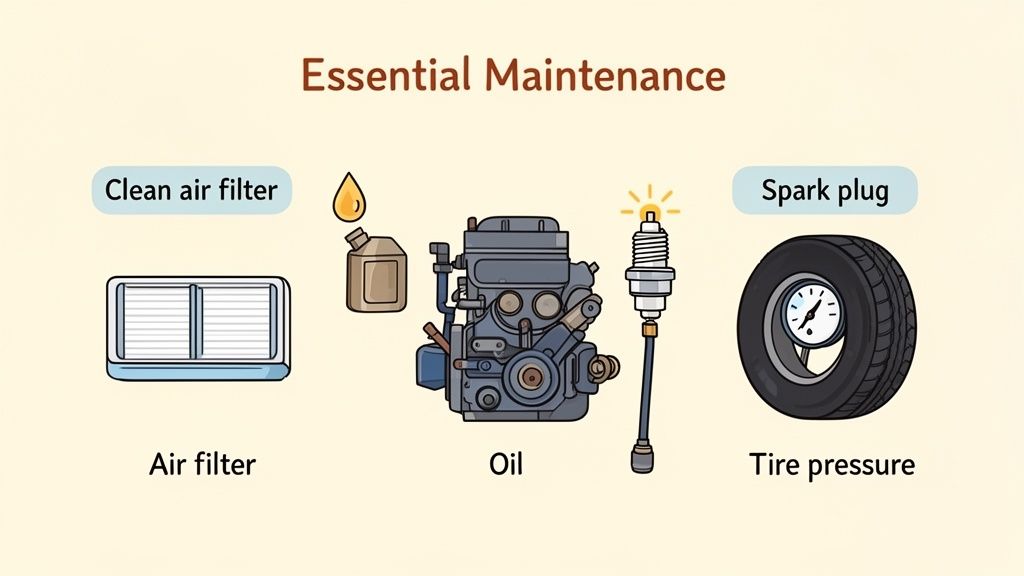
Think of your engine as a big air pump. It needs to pull in air to mix with fuel for combustion. The easier it can breathe, the less fuel it wastes in the process. A clogged air filter is like forcing your engine to breathe through a straw, making it work much harder to produce the same amount of power.
This is one of the easiest and most satisfying DIY fixes out there. Swapping out a filthy air filter can boost your mileage by up to 10% almost instantly. It's a cheap part and a job you can knock out in your driveway in about ten minutes.
The Lifeblood of Your Engine: Oil
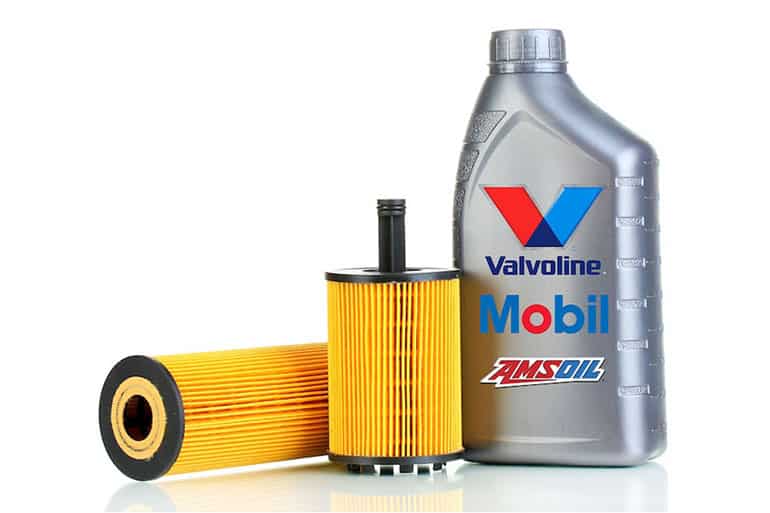
Engine oil does more than just lubricate; it's also vital for cooling and cleaning internal components. For an older motor, having clean oil is absolutely critical. As oil breaks down, it gets thick with contaminants and loses its ability to fight friction.
Old, sludgy oil is like molasses trying to flow through your engine's tiny passages. Fresh, clean oil allows all the moving parts to glide freely. This drop in friction means the engine isn't fighting itself, which can give you a 1-2% bump in fuel efficiency. Sticking to a regular oil change schedule is the best investment you can make for your engine's health and longevity. You can even learn more about the importance of checking your engine oil level in our detailed guide.
Key Takeaway: An engine that can breathe easily and move freely is an efficient engine. Simple filter and fluid changes directly translate to less strain on your motor and more miles from every tank of gas.
The Spark of Efficiency
Your spark plugs are the unsung heroes of the combustion process. They deliver the jolt of electricity that ignites the air-fuel mixture, and their condition directly affects how completely that fuel gets burned.
Worn-out spark plugs are a primary cause of engine misfires. Every time a misfire happens, a cylinder's worth of unburned fuel gets shot straight out the exhaust pipe. It's a complete waste. New plugs ensure a hot, consistent spark, which can improve your fuel economy by a surprising 12% and make your engine idle much more smoothly.
Your Tires Are Your Secret Weapon
The only part of your car actually touching the road is your tires, and they have a massive impact on your fuel bill. The number one enemy here is rolling resistance—the energy your engine has to burn just to keep the tires moving.
Underinflated tires are a huge fuel waster. When a tire is low on air, it flattens out against the road, increasing friction and forcing your engine to work harder just to maintain speed. It's like trying to run in soft sand.
Here’s why you should check your tire pressure every month:
- Boosts MPG: Keeping your tires at the right pressure can improve fuel economy by up to 3%.
- Extends Tire Life: Correct inflation prevents uneven wear, so your tires last longer.
- Improves Safety: Properly inflated tires offer better handling, braking, and stability.
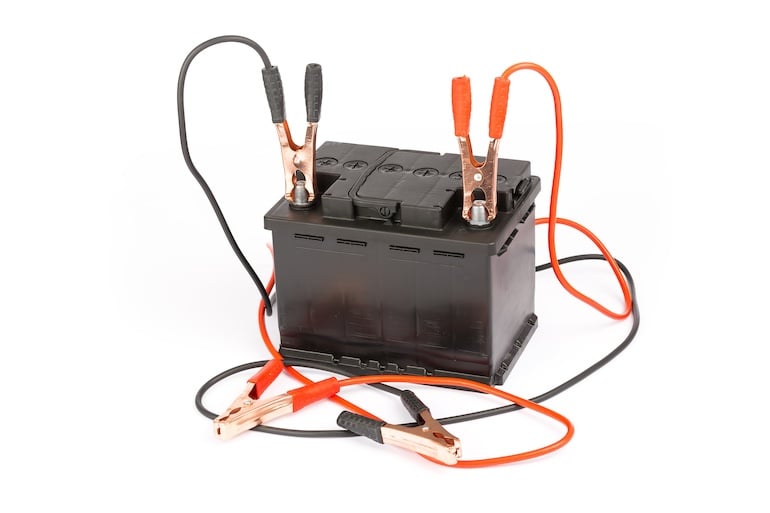
You can find the correct pressure on the sticker inside your driver's side door jamb—not the number printed on the tire itself. Grabbing an automotive jump starter with a built-in air compressor makes this monthly check incredibly easy.
Your Driving Habits Can Save You a Fortune
Once you've handled the basic maintenance that sets the stage for better fuel economy, the next big gains are completely free. The single most powerful tool for squeezing more miles out of every gallon isn't under the hood—it's your right foot. Changing how you drive costs nothing but can make a huge difference in how often you visit the pump.
We’ve all heard the generic advice to “drive smoothly,” but what does that actually mean? Aggressive driving—mashing the gas at green lights, slamming on the brakes, and weaving through traffic—is a massive fuel hog. For an older car, this kind of driving can slash your gas mileage by as much as 30% in the city. Your engine and transmission just weren't built for that kind of stress.
Master the Art of Momentum
The real secret to efficient driving is simple: protect the momentum you’ve already paid for with your fuel. Every time you hit the brakes hard, you're turning that forward motion into wasted heat. The trick is to start anticipating what's happening far down the road, not just reacting to the car directly in front of you.
- Anticipate Red Lights: See a red light a block or two away? Lift your foot off the gas and just coast. You’ll slow down naturally, and by the time you reach the intersection, the light might have turned green, letting you avoid a complete stop altogether.
- Leave Space: Keep a good distance between you and the car ahead. This buffer gives you more time to react, allowing you to ease off the accelerator instead of hitting the brakes every time they tap theirs.
- Gentle Acceleration: Your engine chugs the most fuel getting up to speed from a dead stop. Treat the gas pedal like there's an egg underneath it. Your goal is to accelerate smoothly without breaking the shell.
Thinking ahead and using your brakes less lets the car’s own momentum do the heavy lifting. This shift in mindset is one of the biggest changes you can make, especially in stop-and-go city traffic.
Tame Your Highway Habits
Highway driving brings its own set of chances to save. Even though modern cars have all sorts of tech for cruising, your older vehicle can still see a big boost from a few smart adjustments. On flat, open stretches of highway, cruise control is your absolute best friend. It maintains a steady speed with more precision than your foot ever could.
On hilly terrain, however, cruise control can become a fuel glutton. It will often downshift hard and gun the engine to maintain speed on an incline, burning a ton of extra gas. In these spots, it’s smarter to turn it off. Let your speed drop a little on the way up the hill, and then let gravity help you regain it on the way down.
Another pro-level highway technique is "pulse and glide." This means you accelerate gently (the "pulse") to your target speed, then shift into neutral or simply coast in gear, letting the car's momentum carry you (the "glide") until your speed drops by 10-15 mph. It takes a bit more focus, but it’s a fantastic way to maximize your MPG on long trips. If you really want to see the results of these techniques, try using the best free mileage app to keep an accurate log.
Eliminate Unnecessary Idling
Finally, don't forget about the fuel you burn going nowhere. An older car can use a surprising amount of gas just sitting still with the engine on. As a rule of thumb, if you’re going to be stopped for more than 60 seconds—like at a long train crossing or waiting in a pickup line—it's almost always better to turn the engine off. You'll save more fuel than it takes to restart the car.
Smart Upgrades and Simple DIY Fixes
Once you've got the basic maintenance down and you're driving a little smarter, it’s time to look at some physical changes you can make. This is where you roll up your sleeves and make some tangible upgrades and fixes that can deliver a real, measurable boost to your MPG.
We’ll dig into the hands-on changes that give you the best return on your investment, starting with some simple wins you can tackle this weekend.
Lighten Your Load and Get Slippery
Every extra pound your car has to haul around requires more energy—and more fuel—to get moving. In the same way, anything that disrupts the smooth flow of air over your car's body creates aerodynamic drag, forcing your engine to work harder, especially at highway speeds.
You can actually see this principle in action by looking back at the efficiency-obsessed cars of the 1980s. Take the 1985 Chevrolet Sprint, which managed an incredible 49.6 mpg. Automakers achieved this by aggressively making cars smaller and lighter. You can apply that same logic to your vehicle right now. Simply reducing your car's weight by 10% can boost fuel economy by 6-8% in many older models.
Here at the shop, it’s common to find high-mileage cars weighed down by forgotten junk—old sports gear, tools, or even extra spare tires. That roof rack you haven’t used in months? It can create 5-10% more drag, easily costing you a mile or two per gallon on the highway. For a fascinating look at how this has played out over the years, check out this infographic on fuel-efficient cars from 1975 to today.
Here’s your immediate action plan:
- Empty the Trunk and Cabin: Take out anything you don't need for your daily commute. Every little bit helps.
- Ditch the Roof Rack: If it’s not in active use, take it off. This simple step can improve your MPG by up to 2% all on its own.
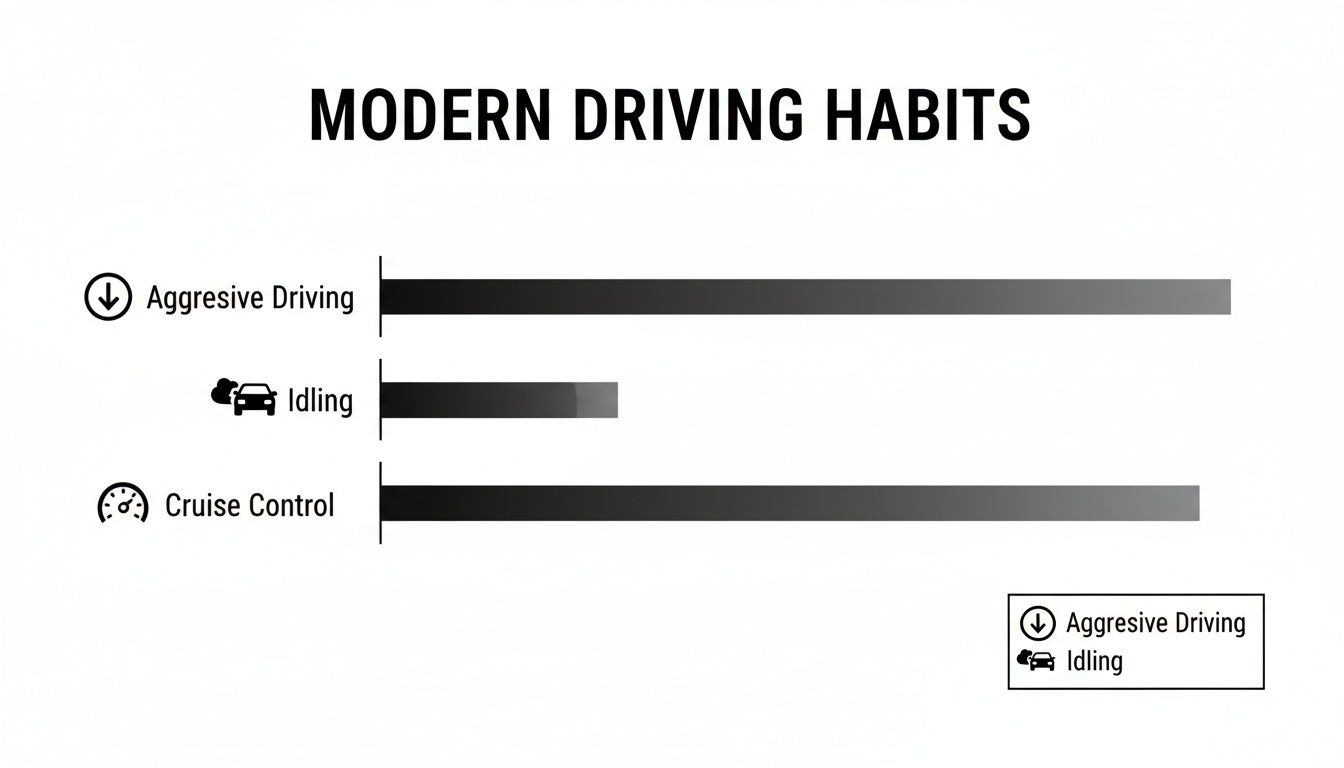
As you can see, aggressive driving and idling are already big fuel wasters. Carrying extra weight or adding drag just makes your engine work that much harder during these moments, burning even more gas.
Invest in Better Tires
When it's time for a new set of tires, don't just reach for the cheapest option on the rack. Your choice here will impact your fuel bill for tens of thousands of miles. The magic term you're looking for is low-rolling-resistance (LRR) tires.
These tires are engineered with special rubber compounds and tread patterns designed to minimize friction with the road. The result is simple: your engine doesn't have to work as hard to keep the car moving. Upgrading to a quality set of LRR tires can improve your fuel efficiency by 4-11%—a huge gain that often helps the tires pay for themselves over their lifespan.
Pro Tip: Look for the "Fuel Economy" rating on the tire label. LRR tires might have a slightly higher upfront cost, but for a daily driver, the long-term fuel savings almost always make them the smarter financial choice.
Replace Faulty Engine Sensors
Your car's engine relies on a whole network of sensors to manage performance and efficiency. In older cars, these sensors wear out, start to degrade, and begin sending bad data to the engine's computer. The most common fuel-wasting culprit we see is a faulty oxygen (O2) sensor.
The O2 sensor’s job is to measure unburned oxygen in the exhaust, helping the engine maintain a perfect air-fuel ratio. When it fails, the computer often plays it safe by defaulting to a "rich" mixture, meaning it injects more fuel than necessary. Replacing a bad O2 sensor is a straightforward repair that can bring back up to 15% of your lost fuel economy almost instantly.
Another one to keep an eye on is the Mass Airflow (MAF) sensor, which measures how much air is entering the engine. If it gets dirty or fails, it can cause poor performance and a noticeable drop in MPG. Sometimes, all it needs is a careful cleaning to get it working properly again.
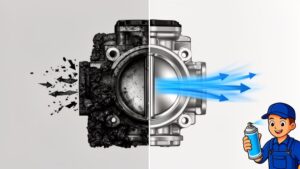
These sensors are all part of the engine's air intake system. If you want to learn more about a related service, check out our guide on what throttle body cleaning is and why it matters, as it often ties into diagnosing these kinds of airflow issues.
Cost vs Benefit Analysis of Fuel-Saving Upgrades
Deciding which upgrades to tackle can feel overwhelming, especially when you're trying to balance cost with potential payoff. This table breaks down some of the most common fixes for older cars to help you prioritize.
| Upgrade/Fix | Average Cost | DIY Difficulty | Potential MPG Gain |
|---|---|---|---|
| New O2 Sensor | $100 – $250 | Moderate | 5-15% |
| Low-Rolling-Resistance Tires | $500 – $900 | Professional Install | 4-11% |
| MAF Sensor Cleaning/Replacement | $20 (clean) / $150 (replace) | Easy to Moderate | 2-5% |
| Fuel System Cleaner | $10 – $20 | Easy | 1-3% |
| New Spark Plugs | $50 – $150 | Moderate | 1-2% |
As you can see, some of the most impactful upgrades, like a new O2 sensor, offer a massive return for a relatively modest cost. Others, like LRR tires, are a bigger investment but pay you back over time. Use this as a guide to decide where your time and money will make the biggest difference at the pump.
When a Professional Diagnosis Is Your Best Bet
While smarter driving habits and DIY maintenance can make a real difference, there are times when you've done everything right and your car is still guzzling gas. A sudden, stubborn drop in MPG is often your car’s way of signaling a deeper problem—one that a new air filter or a lighter foot on the pedal just won't fix.
Knowing when to put down the wrench and call a professional is a crucial part of owning an older, high-mileage vehicle. Continuing to drive with an underlying issue not only burns through fuel but can set off a chain reaction of more expensive failures. If you've worked through the maintenance checklist and your fuel economy is still terrible, it’s time for a professional diagnostic.
The Warning Signs You Can't Ignore
Certain symptoms are clear red flags that your car needs more than basic upkeep. Ignoring these is a surefire way to keep wasting money at the pump and risk a breakdown when you least expect it.
The most obvious sign is a persistent Check Engine Light (CEL). Yes, it could just be a loose gas cap, but it can also point to serious issues with the engine, transmission, or emissions system—all of which can absolutely kill your fuel economy. A professional scan tool can read the specific error codes and get to the root of the problem, eliminating the expensive guesswork.
Other critical signs include:
- A Sudden, Sharp Drop in MPG: If your fuel economy tanks by more than 15-20% almost overnight, something is definitely wrong.
- Rough Idling or Stalling: An engine that shakes, sputters, or dies at a stoplight is often struggling with its air-fuel mixture or ignition timing.
- Noticeable Loss of Power: If your car feels sluggish and just won't "go" like it used to, it’s a sign the engine isn't working efficiently.
- Strange Noises or Smells: A strong smell of gasoline or a "rotten egg" scent from the exhaust points to serious problems with the fuel system or catalytic converter.
A professional diagnostic isn’t an admission of defeat; it’s a smart investment. Paying for an hour of a technician's time to accurately find a tricky problem is almost always cheaper than guessing and replacing the wrong parts yourself.
Uncovering the Silent Fuel Thieves
Modern auto shops have advanced diagnostic tools that see what's happening inside your engine in real-time. This equipment allows technicians to monitor dozens of sensor readings, check fuel pressure, and analyze exhaust gases, helping them find issues that are nearly impossible to spot with a simple visual check.
A technician can quickly uncover several common but hidden problems that are silently stealing your fuel.
Malfunctioning Sensors
We’ve already talked about O2 and MAF sensors, but other sensors play a huge role, too. A faulty coolant temperature sensor, for example, can trick the car's computer into thinking the engine is always cold. This forces it to run a rich fuel mixture constantly, which can slash your MPG by as much as 25%.
Clogged Fuel System Components
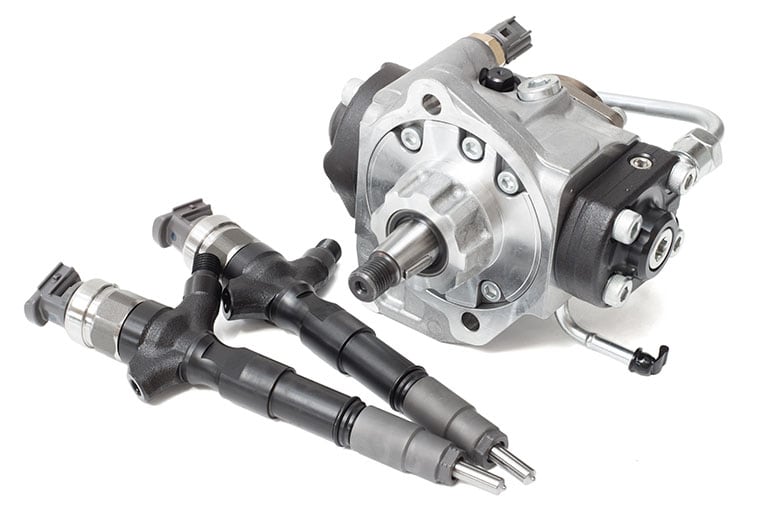
Over time, gunk and deposits can build up in your fuel system and restrict flow. While a bottle of fuel system cleaner helps with minor clogs, a serious blockage requires a pro. For instance, one or more clogged fuel injectors can cause a cylinder to run lean, leading to misfires and poor efficiency. Our team often finds that a professional cleaning makes a world of difference. You can learn more by reading our guide on what happens with a clogged fuel filter and how it impacts your car.
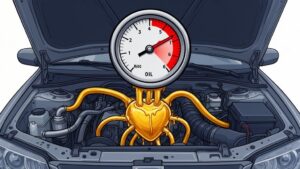
A technician can run a fuel pressure test and an injector flow test to confirm your fuel system is delivering the right amount of gas exactly when it's needed.
Dragging Brakes or Bad Bearings
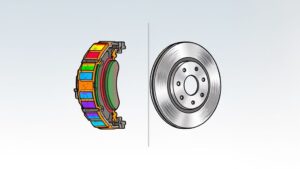
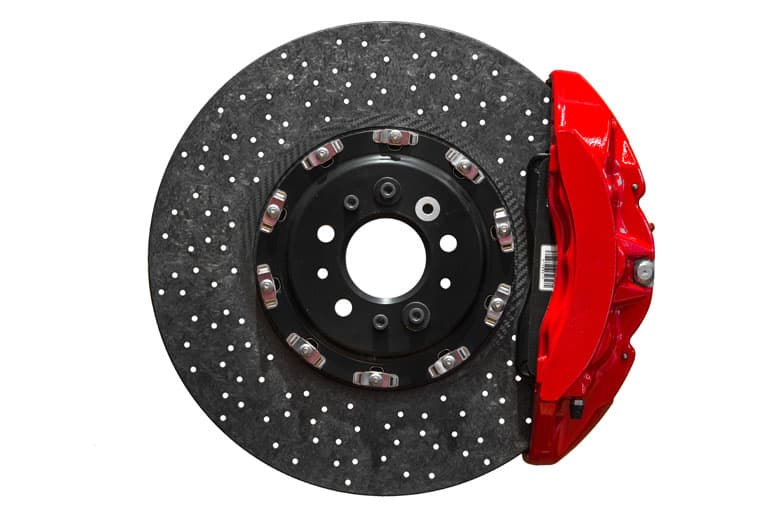
Sometimes, it’s not even the engine's fault. A sticking brake caliper or a worn-out wheel bearing creates a ton of rolling resistance. It’s like driving with the parking brake slightly on all the time, forcing the engine to work much harder just to maintain speed. A technician can easily spot these mechanical issues during a test drive or by inspecting the wheels up on a lift.
Ultimately, knowing your own limits is part of being a smart car owner. When the easy fixes don't work and the warning lights are on, trusting an expert is the fastest, safest, and often cheapest way to get your car running reliably and efficiently again.
Frequently Asked Questions About Fuel Efficiency
When you're trying to squeeze more miles out of your older car's gas tank, you've probably run into some confusing advice and seen ads for "miracle" products. It’s easy to get lost.
Let's clear things up by tackling some of the most common questions we hear from drivers, giving you straightforward answers based on what actually works.
Will Using Premium Fuel Improve MPG in My Older Car?
For almost every older car designed to run on regular unleaded, the answer is a simple no. Pumping premium gas into a regular engine won't boost your MPG and is just an easy way to waste money at the pump.
An octane rating is all about fuel stability and preventing premature ignition, known as "engine knock." It has nothing to do with the energy inside the gasoline. If your engine isn't knocking, you get zero benefit from a higher octane fuel. Always stick to the fuel type recommended in your owner’s manual.
If you do hear a knocking or pinging sound, that's your car telling you it needs a professional check-up for something like carbon buildup—not that it’s time to switch to more expensive gas.
How Much Fuel Efficiency Can I Realistically Gain?
This really depends on your car’s current condition, but a combined improvement of 15-25% is a very realistic target for many drivers. The key isn't one magic fix; it's about stacking several small, consistent changes that add up to a big drop in your fuel costs.
For example, a basic tune-up with fresh spark plugs and new filters can improve efficiency by up to 10% on its own. Simply keeping your tires properly inflated adds another 3%, and adopting smoother driving habits can save you an additional 5-10%. We've seen countless drivers boost their economy by 3-4 miles per gallon just by catching up on neglected maintenance and being a little more mindful behind the wheel.
The real secret to improving fuel efficiency in an older car isn’t one big, expensive repair. It’s the cumulative effect of many small, smart choices. Each one builds on the last, creating substantial savings over time.
Are Fuel-Saving Gadgets Worth Buying?
You should be extremely skeptical of any aftermarket "fuel-saving" gadget you see advertised online. The Environmental Protection Agency (EPA) has tested dozens of these devices over the years, and their findings are clear: virtually none of them provide any meaningful benefit.
Worse, some of these unproven gadgets can actually damage your car's engine, electronics, or emissions system, leading to very expensive repairs.
True fuel savings come from time-tested methods: consistent maintenance, good tires, a lighter load, and smart driving. Your money is far better spent on a quality oil change or a new set of spark plugs—investments that are guaranteed to make a real, positive difference.
At Kwik Kar Oil Change and Auto Care, our ASE-certified technicians can diagnose the root cause of poor fuel economy and get your vehicle running at its best. If you've tried the basics and still aren't seeing results, schedule your professional diagnostic with us today. Learn more at https://www.kkrichardson.com.