When your vehicle needs repairs, you may not know exactly what’s happening under the hood—and that’s normal. You shouldn’t need to be an automotive expert to feel confident about the work being recommended.
A trustworthy auto repair shop should be able to explain the problem, show you what was found, provide a clear estimate, answer your questions, and get your authorization before performing additional repairs.
Here are some of the most important signs to look for when deciding whether you can trust an auto repair shop.
A good automotive technician or service advisor should be willing to explain what’s wrong with your vehicle in understandable terms.
You should be able to ask:
What did you find?
What caused the problem?
Does this need to be repaired now?
What happens if I wait?
Are there related components that should be inspected?
What are my repair options?
Be cautious when you’re pressured to approve work without receiving a reasonable explanation of why it’s necessary.
A professional shop should help you make an informed decision—not make the decision for you.
Before authorizing a repair, you should understand what you’re approving.
A professional estimate should clearly communicate the expected repairs and associated costs.
Depending on the repair, the estimate may include:
Recommended labor
Required parts
Diagnostic charges
Fluids or materials
Taxes and applicable fees
Additional recommended services
Sometimes technicians discover another problem after repairs begin. When that happens, the shop should communicate the new finding and obtain authorization before performing additional work that changes the approved repair.
Clear estimates reduce surprises and help establish trust between the customer and repair shop.
One of the biggest improvements in modern automotive service is the Digital Vehicle Inspection (DVI).
A DVI can document the condition of your vehicle and may include photos, technician observations, measurements, and recommendations.
Instead of simply being told that something needs attention, you can better understand what the technician found.
Digital inspections can be particularly useful for documenting items such as:
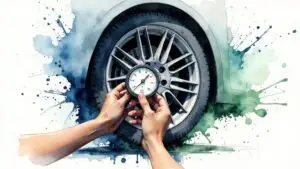
Tire condition
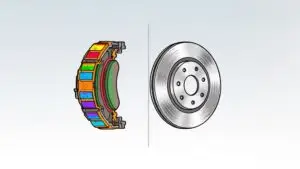
Brake wear
Fluid leaks
Filters
Belts and hoses
Suspension components
Visible damage
Other maintenance concerns
Not every automotive problem can be demonstrated with a photograph, especially internal, electrical, or intermittent problems. But when something can reasonably be documented, visual information can help customers understand the recommendation.
Not every automotive recommendation has the same urgency.
A trustworthy shop should help distinguish between:
Immediate concerns — problems that may affect vehicle operation, reliability, or safety and deserve prompt attention.
Maintenance that’s due — services recommended by the vehicle manufacturer or based on maintenance history.
Items to monitor — components showing wear but that may not require immediate replacement.
This distinction is important.
Customers should understand what needs attention now and what can reasonably be planned for later.
Automotive technology has become increasingly complex.
Modern vehicles contain sophisticated engines, transmissions, electrical systems, sensors, computers, driver-assistance technologies, and emissions systems.
One useful trust signal is ASE certification.
ASE-certified automotive professionals have demonstrated knowledge in specific areas of vehicle service and repair through testing and applicable experience requirements.
Certification alone doesn’t guarantee every repair will be perfect, but it provides an important indication of professional automotive knowledge and continuing technical competence.
Third-party programs can provide another layer of confidence when evaluating an auto repair facility.
For example, a RepairPal Certified shop must meet requirements established by RepairPal for areas such as technical capability, customer experience, warranties, and fair pricing practices.
Independent certifications shouldn’t replace your own judgment, but they can provide additional evidence that a repair facility has been evaluated against established standards.
A professional repair shop should clearly explain whether qualifying repairs are covered by a warranty.
Before authorizing a significant repair, ask:
Is this repair covered by a warranty?
How long does coverage last?
Is there a mileage limitation?
Are both parts and labor covered?
Are there exclusions?
What should I do if there’s a problem after the repair?
Understanding warranty coverage before the work begins can prevent confusion later.
At Kwik Kar Richardson, qualifying repairs are backed by a 24-month/24,000-mile warranty.
A warning light or vehicle symptom doesn’t always identify the failed component.
For example, a vehicle that won’t start could have a problem involving the:
Battery
Starter
Alternator
Wiring
Electrical connections
Ignition system
Other components
Similarly, a check engine light can be triggered by many different conditions.
Simply replacing the first component associated with a symptom can waste money without solving the underlying problem.
A trustworthy repair process begins with appropriate inspection and diagnosis before expensive parts are replaced.
Be cautious of universal maintenance recommendations that supposedly apply to every vehicle.
Modern vehicles have different:
Engine designs
Transmission types
Fluid specifications
Maintenance schedules
Spark-plug intervals
Oil requirements
Cooling systems
Drivetrain configurations
Your vehicle manufacturer’s maintenance schedule should be an important part of determining when routine services are due.
Recommendations should also consider your vehicle’s mileage, maintenance history, operating conditions, and current condition.
Technical expertise matters, but communication matters too.
A professional auto repair shop should make it reasonably easy to understand:
What was inspected
What problem was diagnosed
What repairs are recommended
Why they’re recommended
What the repair is expected to cost
Whether additional authorization is required
What warranty applies
You should also feel comfortable asking questions.
If something isn’t clear, ask the service advisor to explain it differently.
You have every right to understand what you’re paying for.
When you’re unsure about a recommended repair, asking a few simple questions can help.
Ask the technician or service advisor to explain the diagnosis rather than simply naming a part.
Understanding urgency helps you prioritize repairs when several items are recommended.
Photos, measurements, diagnostic results, or a visual inspection may help when appropriate.
The answer can help you understand the potential consequences of postponing the repair.
For routine maintenance, ask whether the recommendation comes from the manufacturer’s maintenance schedule or from something found during inspection.
Understand the warranty terms before approving major repairs.
Make sure additional repairs that change your approved estimate require your authorization.
One unusual interaction doesn’t necessarily mean a repair shop is dishonest, but certain patterns deserve attention.
Potential warning signs include:
Pressure to immediately approve unexplained repairs
Refusal to explain recommendations
Significant work performed without authorization
Estimates that aren’t clearly communicated
Repeatedly replacing parts without resolving the problem
Inability to explain warranty coverage
Recommendations that don’t match your vehicle’s maintenance requirements
Trust is built through consistent communication, documentation, technical competence, and quality workmanship.
Digital Vehicle Inspections help bridge the information gap between technicians and vehicle owners.
Most customers aren’t automotive technicians. A DVI can make technical information easier to understand by documenting vehicle conditions before recommendations are made.
This allows customers to participate more confidently in repair and maintenance decisions.
At Kwik Kar Richardson, Digital Vehicle Inspections are part of our commitment to transparent automotive service.
When choosing an auto repair shop in Richardson, don’t base your decision on price alone.
Consider the complete experience:
Technician qualifications
Quality of diagnosis
Clear estimates
Digital inspections
Repair authorization procedures
Warranty coverage
Independent certifications
Customer reviews
Communication
Quality of workmanship
A trustworthy relationship with an automotive repair shop can make maintaining your vehicle much easier over the long term.
At Kwik Kar Oil Change & Auto Care in Richardson, our goal is to help customers understand their vehicles and make informed repair decisions.
Our Richardson auto repair facility offers:
ASE-certified technicians
RepairPal Certified service
Digital Vehicle Inspections
Advanced automotive diagnostics
Clear repair recommendations
Same-day service when available
A 24-month/24,000-mile warranty on qualifying repairs
Maintenance and repair for European, Asian, and domestic vehicles
From routine maintenance and oil changes to diagnostics and complex automotive repairs, our team is here to help keep your vehicle operating reliably.
Look for clear estimates, technician credentials, documented inspections, customer authorization before additional repairs, understandable recommendations, warranty coverage, and consistent customer reviews.
When the problem can reasonably be documented, photos, measurements, inspection results, or showing the worn component can help you understand the recommendation. Some internal, electrical, or intermittent problems require diagnostic testing instead of visual evidence.
If additional repairs will change what you originally authorized, the shop should communicate the new findings and obtain appropriate authorization before proceeding.
A Digital Vehicle Inspection documents the condition of vehicle components electronically and may include photos, measurements, technician notes, and service recommendations.
ASE certification indicates that an automotive professional has demonstrated knowledge in specific automotive service areas through industry-recognized testing and applicable experience requirements.
Ask what was diagnosed, why the repair is necessary, how urgent it is, what happens if you wait, what the estimated cost includes, and whether the repair carries a warranty.
Kwik Kar Oil Change & Auto Care provides diagnostics, maintenance, Digital Vehicle Inspections, and complete auto repair services in Richardson, Texas, with ASE-certified technicians and a 24-month/24,000-mile warranty on qualifying repairs.

Get upto $20 OFF on all services.