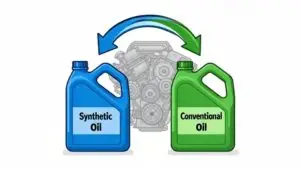
An oil change service is defined as the process of draining used motor oil from an engine, replacing the oil filter, and refilling with fresh oil matched to the vehicle’s specifications. The types of oil change services available fall into two distinct categories: oil formulation (conventional, synthetic blend, full synthetic, and high mileage) and service format (quick lube, full service, dealership, and stay-in-your-car). Knowing the difference between these categories is what separates a routine errand from a genuinely informed maintenance decision. Providers like Mobil 1, Take 5, Valvoline, and Jiffy Lube each occupy a specific position in this spectrum, and matching the right oil to the right service format protects your engine and your wallet.
1. Types of oil change services available: the full breakdown
The four main oil formulations are conventional, synthetic blend, full synthetic, and high mileage. Each one is engineered for a different engine condition, age, and performance demand. Choosing the wrong type is not just a minor inconvenience. It can void your warranty, accelerate wear, or leave your engine under-protected in extreme temperatures.
Conventional oil is refined directly from crude oil with minimal processing. It works well for older, simpler engines with low to moderate mileage and suits drivers who change oil frequently, typically every 3,000 to 5,000 miles. The trade-off is faster breakdown under heat and stress compared to synthetic options.
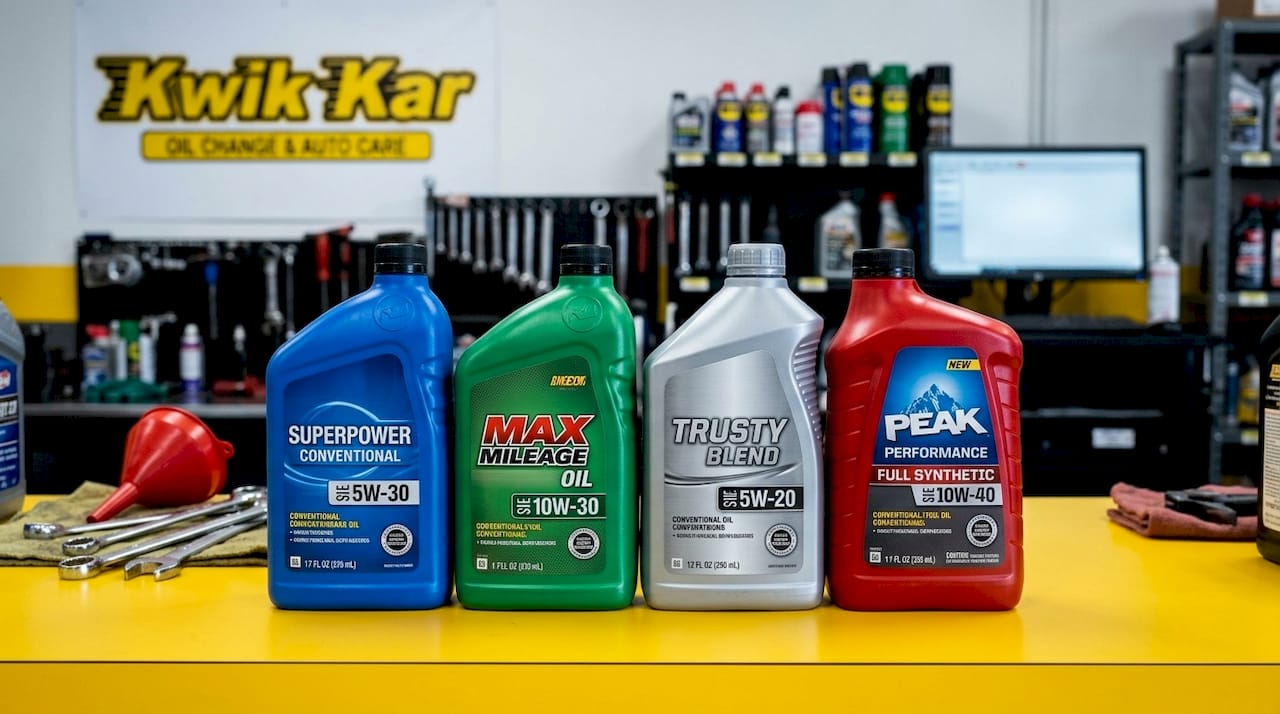
Synthetic blend oil combines conventional base oil with synthetic additives, offering better oxidation resistance and low-temperature performance than straight conventional. It suits drivers who want improved protection without paying full synthetic prices. Think of it as the practical middle ground for everyday commuters with moderate mileage vehicles.
Full synthetic oil is engineered from chemically modified base stocks, delivering superior performance at both high and low temperature extremes. It supports longer drain intervals, keeps engines cleaner by resisting sludge buildup, and is the standard recommendation for most modern vehicles and performance engines. Mobil 1 is the benchmark brand in this category, and manufacturer oil recommendations should always be confirmed before selecting a grade.
High mileage oil is a specialized formulation for engines with 75,000 miles or more. High mileage oils include additives that condition aging seals, reduce oil consumption, and combat the sludge that quietly accumulates in older engines. This is not just a marketing label. It represents specific additive chemistry targeting the wear patterns unique to aging engines.
- Conventional oil: best for older engines, frequent change intervals, budget-conscious owners
- Synthetic blend: solid protection for everyday drivers seeking a cost-performance balance
- Full synthetic: ideal for newer vehicles, performance engines, and extended drain intervals
- High mileage: formulated for engines over 75,000 miles with seal conditioners and anti-wear additives
Pro Tip: Check your owner’s manual or your vehicle’s oil-life monitoring system before selecting a formulation. Your manufacturer’s specification is the single most reliable guide, and ignoring it can affect warranty coverage.
2. How oil change service formats differ
Service format determines how much maintenance value you receive beyond the oil and filter swap itself. Two vehicles can receive the same full synthetic oil but walk away with vastly different levels of care depending on where and how the service was performed.
Quick lube services focus on speed. You get an oil drain, fresh oil, and a new filter, sometimes with a basic tire pressure check. These are ideal for routine maintenance on healthy vehicles with no underlying concerns. The risk is that nothing else gets examined, so a developing problem with your belts, coolant, or brakes goes undetected.
Full-service oil changes go significantly further. A full-service oil change includes an oil drain and refill, oil filter replacement, fluid checks, tire inspection, belt and hose checks, lights and wipers inspection, and a leak check. That multi-point inspection is where real vehicle health intelligence comes from. Catching a cracked belt or low brake fluid during an oil change costs nothing extra but can prevent a breakdown that costs hundreds.
Dealership oil changes use manufacturer-approved oils and filters, and the service is logged directly into your vehicle’s warranty record. The cost is typically higher, but the documentation and OEM-spec parts matter if you plan to sell the vehicle or make a warranty claim.
Stay-in-your-car services like Take 5 and Valvoline Instant Oil Change have built a loyal following by removing the waiting room entirely. Take 5 completes oil changes in about 10 minutes with customers remaining in their vehicles, and includes free tire pressure checks and fluid top-offs. That speed is genuinely useful for busy drivers. The limitation is that a 10-minute service leaves little room for the kind of thorough inspection that catches problems before they grow.
Pro Tip: If your vehicle is over five years old or has more than 60,000 miles, a full-service oil change at least once a year gives you a meaningful safety net beyond what a quick lube provides.
3. Comparison of major oil change service providers in 2026
Understanding the differences between providers helps you make a smarter choice when you search for a quick oil change near me. Price, speed, oil options, and inspection depth all vary significantly across the major names.
| Provider | Service Speed | Oil Types Offered | Inspection Depth | Notable Feature |
|---|---|---|---|---|
| Take 5 Oil Change | ~10 minutes | Conventional, synthetic blend, full synthetic | Minimal (tire pressure, fluid top-off) | Stay-in-car model, no appointment needed |
| Valvoline Instant Oil Change | ~15 minutes | Conventional, synthetic blend, full synthetic, high mileage | Basic multi-point | Stay-in-car, digital service records |
| Jiffy Lube | 20-30 minutes | Conventional, synthetic blend, full synthetic, high mileage | Moderate multi-point | Signature Service includes 18-point check |
| Dealership service centers | 45-90 minutes | OEM-specified oils | Thorough, warranty-logged | Manufacturer-approved parts and documentation |
| Local full-service shops | 30-60 minutes | All formulations | Thorough multi-point | Personalized service, often competitive pricing |
Take 5 recently expanded its North Texas presence with a second Richardson location, signaling strong demand for fast, convenient service in suburban markets. Valvoline’s digital service history feature is particularly useful for tracking maintenance across multiple vehicles. Jiffy Lube’s 18-point Signature Service sits between a quick lube and a full-service shop in terms of inspection depth.
The honest reality is that service format influences maintenance value as much as oil formulation does. A quick lube with premium full synthetic oil still leaves your belts, hoses, and brakes uninspected. For vehicles with age or mileage, that gap matters.
4. Matching oil change type to your vehicle and driving habits
The best oil change service for your car is the one that matches your vehicle’s current condition, your driving patterns, and your maintenance goals. There is no single right answer, but there are clear patterns that make the decision straightforward.
| Vehicle Situation | Recommended Oil Type | Recommended Service Format |
|---|---|---|
| New vehicle under 30,000 miles | Full synthetic (per manufacturer spec) | Quick lube or dealership |
| Daily commuter, 30,000-75,000 miles | Full synthetic or synthetic blend | Quick lube or full service |
| High mileage vehicle over 75,000 miles | High mileage full synthetic | Full-service shop |
| Performance or turbocharged engine | Full synthetic, manufacturer-specified grade | Dealership or full-service shop |
| Budget-conscious owner, older vehicle | Conventional or synthetic blend | Quick lube |
| Extreme driving (towing, stop-and-go, heat) | Full synthetic, shorter intervals | Full-service shop |
Drivers who spend significant time in stop-and-go traffic, tow regularly, or operate in extreme heat put more thermal stress on their oil than highway commuters do. For those drivers, full synthetic oil with a full-service format is the most protective combination, even if the vehicle has not yet crossed 75,000 miles.
For vehicles already past that threshold, high mileage oil formulations use proprietary additive packages to improve seal conditioning and reduce sludge accumulation. Mobil 1 Extended Performance High Mileage is one of the most widely recommended products in this category, and the high mileage oil change decision should be made proactively, not after leaks or consumption problems appear.
Budget-conscious owners with older, lower-stress vehicles can reasonably use conventional or synthetic blend oil with a quick lube service, provided the vehicle is in good health and they maintain consistent change intervals. The risk of skipping a full-service inspection rises as a vehicle ages, so that trade-off deserves honest consideration.
Key takeaways
Choosing the right oil change means matching your oil formulation to your engine’s age and demands, then selecting a service format that delivers the inspection depth your vehicle actually needs.
| Point | Details |
|---|---|
| Oil formulation matters by mileage | Use high mileage oil for engines over 75,000 miles; full synthetic for newer or performance vehicles. |
| Service format determines inspection depth | Full-service oil changes catch belt, fluid, and leak issues that quick lubes leave unexamined. |
| Stay-in-car services prioritize speed | Take 5 and Valvoline complete services in 10 to 15 minutes but offer limited multi-point inspections. |
| Follow manufacturer specifications | Your owner’s manual and oil-life sensor are the most reliable guides for oil type and change interval. |
| Match service to driving conditions | Stop-and-go driving, towing, and extreme heat demand full synthetic oil and more frequent service intervals. |
What we’ve learned from years of oil changes in Richardson
After servicing thousands of vehicles at Kwik Kar Oil Change & Auto Care, the pattern we see most often is this: drivers choose their oil change service based on price or proximity, without considering whether the service format matches what their vehicle actually needs at that stage of its life.
A three-year-old sedan with 25,000 miles and a clean bill of health is a reasonable candidate for a quick lube with full synthetic oil. A 2014 SUV with 98,000 miles, a slow oil leak, and a history of highway towing is not. That vehicle needs a high mileage formulation and a technician who will actually look at the seals, check the belts, and flag what is developing before it becomes expensive.
The stay-in-your-car format is genuinely convenient, and we respect the model. But convenience should not come at the cost of awareness. Vehicles communicate through wear patterns, fluid colors, and subtle leaks. A 10-minute service that does not include a trained set of eyes on those signals is a missed opportunity, especially for any vehicle past the 60,000-mile mark.
Our recommendation is simple: use the oil your manufacturer specifies, choose a service format that includes a multi-point inspection at least once a year, and do not wait for a warning light to tell you something has been quietly failing. The full-service oil change benefits are not theoretical. They show up in repair bills you never have to pay.
— Kwik Kar
Get the right oil change service at Kwik Kar Richardson
Kwik Kar Oil Change & Auto Care in Richardson, TX offers the full range of oil change and auto repair services, including conventional, synthetic blend, full synthetic, and high mileage options. Every service is performed by ASE-certified technicians who conduct a thorough multi-point inspection alongside your oil change, so you leave knowing the full condition of your vehicle, not just the oil level. Kwik Kar is recognized by CARFAX and RepairPal, and offers special discounts for military personnel and first responders. Whether you need a routine service or a closer look at a high mileage engine, the team at Kwik Kar delivers dealership-level expertise without the dealership wait or price.
FAQ
What is an oil change service?
An oil change service involves draining old motor oil from the engine, replacing the oil filter, and refilling with fresh oil matched to the vehicle’s manufacturer specifications. Full-service formats also include multi-point inspections covering fluids, tires, belts, and lights.
What is the difference between full synthetic and conventional oil?
Full synthetic oil is chemically engineered for superior heat resistance, longer drain intervals, and cleaner engine performance, while conventional oil is refined from crude oil and breaks down faster under stress. Most modern vehicles and performance engines require full synthetic.
When should I switch to high mileage oil?
High mileage oil is recommended for engines with 75,000 miles or more. It contains seal conditioners and anti-wear additives that address the specific degradation patterns found in older engines, including oil consumption and minor leaks.
How often should I get an oil change?
The correct interval depends on your oil type and manufacturer recommendation. Full synthetic oil typically supports intervals of 7,500 to 10,000 miles, while conventional oil generally requires changes every 3,000 to 5,000 miles. Always follow your vehicle’s oil-life monitoring system when one is present.
Is a quick oil change enough, or do I need a full-service oil change?
A quick oil change is sufficient for routine maintenance on healthy, lower-mileage vehicles. For vehicles over 60,000 miles or those with any developing issues, a full-service oil change provides the multi-point inspection needed to catch problems before they become costly repairs.