Navigating the annual vehicle inspection in Texas can feel like a chore, but it’s an essential part of keeping our roads safe and our air clean. This yearly check-up is a bit like a wellness visit for your car. It ensures all the critical safety parts are in good working order and, for those of us in certain counties like Dallas, that it meets state emission standards.
Why Texas Vehicle Inspections Matter
Think of your annual inspection as more than just a box to check off. It's a fundamental part of responsible car ownership here in the Lone Star State, designed to protect you, your passengers, and everyone else on the road. This isn't just about getting a sticker—it's about making sure every car meets a baseline standard for safety and environmental care.
The entire system really boils down to two key goals:
- Enhancing Road Safety: By systematically checking critical components like your brakes, tires, and lights, the inspection catches potential failures before they have a chance to cause an accident.
- Improving Air Quality: In 17 designated counties, an emissions test is required to help cut down on harmful pollutants. This is a big deal for keeping the air cleaner in Texas's most populated urban areas.

A Quick Look at the Inspection Essentials
To give you a clear, at-a-glance overview, we've put together a simple table breaking down the key aspects of the process. Knowing these basics will help you breeze through your next inspection.
Texas Vehicle Inspection at a Glance
This table sums up the essential info every Texas driver needs to know about the vehicle inspection process.
| Inspection Aspect | Requirement Details |
|---|---|
| Inspection Type | A dual-part process including a statewide safety check and an emissions test in certain counties. |
| Frequency | Required annually for most vehicles before you can renew your registration. |
| Who Performs It | Must be completed at a Texas Department of Public Safety (DPS) certified inspection station. |
| Key Requirement | You must present proof of current liability insurance at the time of the inspection. |
Understanding these points is the first step toward a hassle-free inspection experience.
The Two Steps One Sticker Program
A few years back, Texas simplified everything with its "Two Steps, One Sticker" program. Gone are the days of having a separate inspection sticker cluttering up your windshield. Now, passing your vehicle inspection in Texas is the first step, and the results are automatically sent to the state's vehicle database.
The second step is simply renewing your registration. As long as the system shows you have a passing inspection on file, you'll receive a single registration sticker. That one sticker now serves as proof of both your current registration and a valid inspection, making things much more straightforward for drivers.
In this guide, we'll walk you through everything, from understanding the specific tests to what you need to bring. At Kwik Kar of Richardson, our certified technicians are ready to make your experience efficient, ensuring you're back on the road with complete confidence.
The Two Parts of a Texas Car Inspection
When you bring your car in for a vehicle inspection in Texas, it’s a bit like a yearly physical. It’s not just a single, quick look-over. The process is actually split into two different parts, each designed to make sure every car on the road is both safe to drive and not harming our air quality.
Think of it as a two-stage evaluation. The first part is all about the nuts and bolts—the functional safety systems that help you avoid an accident. The second part, which only applies in certain counties, is focused on your car's environmental impact. At Kwik Kar, our certified technicians are experts in both, giving you a complete picture of your vehicle's health.
The Statewide Safety Inspection
The foundation of every Texas vehicle inspection is the safety check. This is mandatory for all passenger cars and light trucks across the entire state. Its purpose is simple: to make sure your car’s most important safety features are working exactly as they should. It’s the mechanical equivalent of a doctor checking your vital signs.
During this part of the inspection, our technicians work through a detailed checklist from the Texas Department of Public Safety (DPS). This isn't just a quick glance; it's a hands-on check of the systems you depend on every single day.
This safety check involves a thorough review of systems like:
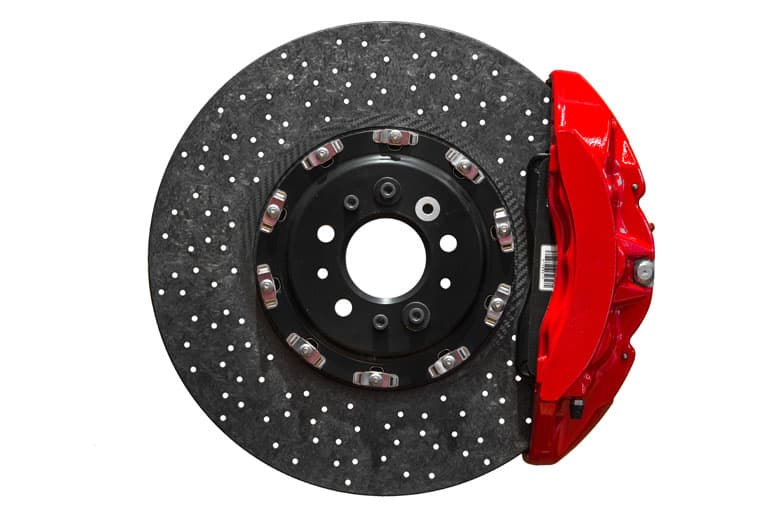
- Braking System: We check the hydraulic fluid, make sure the parking brake holds, and test the overall stopping power to ensure you can stop when you need to.
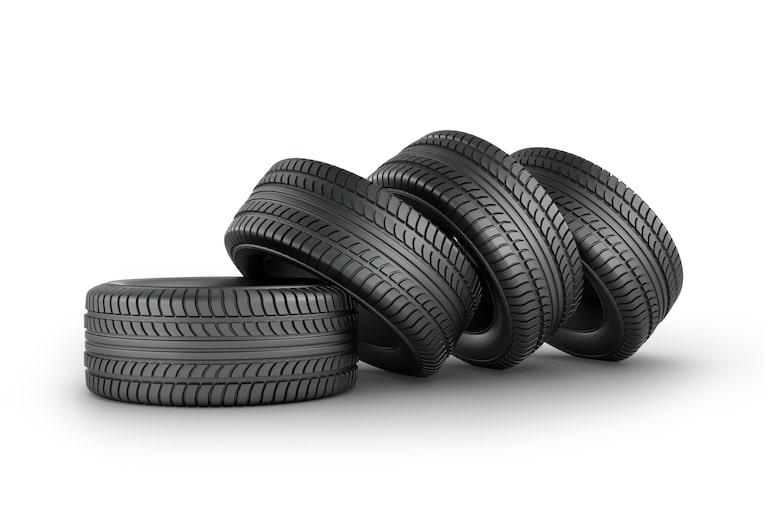
- Tires and Wheels: This includes measuring for proper tread depth, looking for any visible damage, and confirming the wheels are secure.
- Lighting Equipment: Every single light is tested, from your headlights and tail lights to the brake lights, turn signals, and even the tiny license plate light.
- Horn and Wipers: Your horn has to be loud enough to be heard, and your windshield wipers must clear the glass without leaving streaks or missing spots.
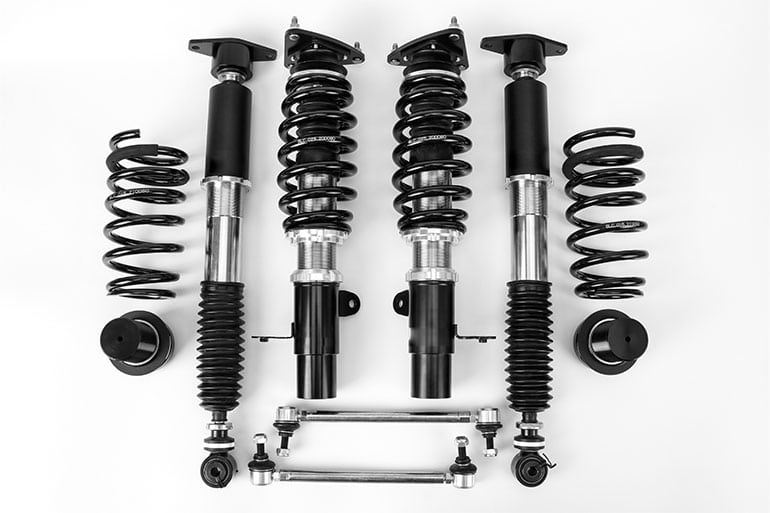
- Steering and Suspension: We look for any excessive looseness in the steering components and check the overall integrity of the suspension system.
- Seat Belts and Airbags: All seat belts need to be in place and working correctly, and we check to make sure the airbag warning light isn't on.
The Emissions Test for Urban Counties
While every Texan needs the safety inspection, not everyone has to get the second part: an emissions test. This test is only required in 17 of the state’s most populated counties, designed to help manage air quality where traffic is heaviest. If your vehicle is registered in Dallas, Tarrant, Collin, or Denton County, this emissions test is a mandatory part of your annual vehicle inspection in Texas.
You can think of this as checking your car’s respiratory health. The goal is to measure the pollutants coming out of your exhaust to make sure they don’t exceed federal clean-air standards. A modern car is built to burn fuel as cleanly as possible, and this test just confirms its pollution-control systems are doing their job.
For most cars (model year 1996 and newer), the emissions test has gone high-tech. We don't stick a probe in your tailpipe anymore. Instead, we connect directly to your car’s On-Board Diagnostics (OBD-II) computer to check for any trouble codes related to the emissions system.
This two-part system is a huge reason our roads and air stay in good shape. Texans take this responsibility seriously. In fact, a 2022 report from the Texas Commission on Environmental Quality noted that participation rates hit 94.0% in 2021, with the Dallas-Fort Worth area showing equally strong compliance. You can read more about these trends in the full TCEQ evaluation. When you get your inspection, you’re not just checking a box—you’re part of a massive statewide effort to keep our roads safer and our air cleaner.
What to Expect at the Inspection Station
The idea of a vehicle inspection in Texas can feel a little intimidating, but knowing what’s coming turns it into a quick, stress-free errand. A visit to a certified station like Kwik Kar is a straightforward process, and we want to give you a clear roadmap. Think of it less as a hurdle and more as a predictable part of responsible car ownership.
When you pull in, the first step is a breeze. A service advisor will greet you, and you’ll just need to have two things ready: your driver's license and proof of current Texas liability insurance. A physical card works great, but a digital version on your phone is perfectly fine, too.
Once we’ve got your info, a certified technician takes over. You can hang out in our waiting area while they get to work on the required checks.
The Inspection Process Step by Step
The technician follows a methodical, state-approved checklist to evaluate your car’s safety and—if you're in a designated county—its emissions systems. They move through every critical component with precision, so nothing gets overlooked.
To give you a better sense of the workflow, here’s a look at the two main phases of the inspection.

This flowchart shows how the two parts of the inspection work together. The safety check is universal, while the emissions test is added for vehicles in specific areas like Dallas County.
Receiving Your Inspection Report
After the technician finishes up, they log the results directly into the Texas Department of Public Safety (DPS) database. This is a critical part of the state's "Two Steps, One Sticker" system. A passing inspection is electronically tied to your vehicle's record, giving you the green light for the next step.
You’ll get a copy of the Vehicle Inspection Report (VIR) that breaks down the results.
- Passing Report: If your car passes, the VIR is your receipt and proof of completion. You're all set to renew your vehicle's registration online or in person.
- Failing Report: If your vehicle doesn't pass, the report will clearly list the exact reasons why. This document is your guide—it tells you precisely what needs to be fixed.
The entire process is designed for transparency. The VIR ensures you know exactly how your vehicle performed and what needs attention, if anything. No guesswork involved.
Understanding the start-to-finish process really demystifies the whole thing. The average inspection takes between 15 and 30 minutes. If you're curious about what goes into that time, you can learn more about how long a car inspection takes in our detailed guide. Here at Kwik Kar, our priority is to get you back on the road safely and quickly.
This whole system links your inspection directly to your registration. A pass is the official thumbs-up that allows you to legally drive your vehicle for another year. This electronic verification streamlines everything, gets rid of that extra inspection sticker on your windshield, and makes staying compliant a lot simpler for all Texas drivers.
How to Avoid Common Inspection Failures
Nothing’s more frustrating than failing your vehicle inspection in Texas. It’s not just the failure itself; it’s the extra trip, the wasted time, and the unexpected expense. The good news? Most inspection failures are due to small, easy-to-fix issues you can spot yourself in minutes, right in your own driveway.
This isn't about being a master mechanic. It’s about doing a quick "pre-inspection" to catch the little things before they become a big hassle. A few minutes of prep can give you the confidence to walk into the inspection station and pass the first time around.

Check Your Lights and Signals
Believe it or not, a single burnt-out bulb is one of the most common reasons people fail. This is also the easiest problem to find and fix. Grab a friend or family member for a two-minute light check.
Have them stand outside the car as you cycle through every light:
- Headlights (don't forget the high beams!)
- Tail lights
- Brake lights (all of them, including the third one)
- Turn signals (front and rear)
- License plate light (this one is easy to miss!)
If a bulb is out, replacing it is usually a simple, inexpensive job you can knock out before your appointment.
Inspect Your Wipers and Windshield
Clear visibility isn't just a suggestion; it's a critical safety requirement. The technician will check your windshield for any large cracks that get in the driver's line of sight. They'll also pay close attention to the condition of your wiper blades.
Wipers that are cracked, torn, or leave big streaks across the glass are an automatic fail. If yours are looking rough, a new pair is a small investment that makes a huge difference. Getting your vehicle ready for changing seasons is a great way to stay on top of maintenance like this. For more tips, check out this guide on how to prepare your car for the elements: Is Your Vehicle Ready for Winter Weather?
Examine Your Tires and Brakes
Your tires are the only part of your car that actually touches the road, so their condition is a top priority. During the inspection, the technician will measure your tread depth, which needs to be at least 2/32 of an inch. You can check this at home with the classic "penny test"—stick a penny into the tread with Lincoln's head upside down. If you can see his entire head, your tires are too worn.
The inspector will also test your parking brake to make sure it can hold the car steady. While they won't pull your wheels off, they'll listen for any obvious problems with your main brakes. If you've been hearing any squealing or grinding, that's your cue to get them checked out beforehand.
The link between faulty equipment and accidents is stark. A study mandated by the Texas Legislature revealed that defective vehicles in Texas were three times more likely to be in a fatal crash. Nearly a quarter of drivers were told by mechanics their tires were bald or defective during inspections, which just goes to show how many unsafe cars are out there. It’s a powerful reminder of why the vehicle inspection in Texas is so important for all of us.
Address That Check Engine Light
This one is simple: if your "Check Engine" light is on, you will automatically fail the emissions portion of the test (in counties where it's required). That light means your car's diagnostic system has flagged a problem.
Don't just cross your fingers and hope it goes away. Take your car to a professional to find out what the code means and get the issue fixed before heading to the inspection station.
Running through these quick checks will put you way ahead of the game. For a more detailed guide, grab our complete vehicle inspection checklist to make sure you've covered all the bases.
Understanding Inspection Costs and Exemptions
Budgeting for your yearly vehicle inspection in Texas is pretty simple, but it helps to know what you're actually paying for. The cost isn't just a random number; it's a regulated fee that supports the state's safety and clean air programs. Let's walk through the costs, what happens if you fail, and who might be exempt from the whole process.
The final price tag really comes down to your county and your vehicle. For a basic safety-only inspection, the fee is minimal. But if you’re in one of the 17 counties that require an emissions test—like Dallas County—the cost will be a bit higher to cover that extra diagnostic check.
Breaking Down the Inspection Fees
The total you pay is a mix of the state's portion and the inspection station's fee. While the state sets the limits, the final price can vary slightly from one shop to another. It's always a good idea to confirm the exact price when you pull in.
Here’s a quick look at what to expect:
- Safety-Only Inspection: This is the standard for vehicles in counties that don't have mandatory emissions testing.
- Safety & Emissions (OBD-II) Inspection: This is required for vehicles model year 1996 and newer in the designated urban and suburban counties.
- Commercial Vehicles: These trucks and vans often have a different fee because their inspections are more involved.
If you want a precise rundown of what it costs today, check out our detailed guide on how much a Texas state vehicle inspection costs. We keep it updated with the latest pricing info for drivers right here in Richardson.
What Happens If Your Vehicle Fails
Failing an inspection isn't the end of the road. The system is actually set up to give you a fair shot at fixing the problem without breaking the bank. If your vehicle doesn't pass, the technician will give you a report that clearly explains what went wrong.
You get 15 days to make the necessary repairs. As long as you bring the vehicle back to the same inspection station within that 15-day window, you're entitled to one free reinspection to verify the issue is fixed.
This little grace period is there for a reason: to help you save money and encourage you to get repairs done quickly. It ensures unsafe cars are fixed promptly without punishing the owner. Just remember, if you wait longer than 15 days or take it to a different shop, you'll have to pay for a completely new inspection.
Who Is Exempt from a Texas Vehicle Inspection
Not every car, truck, and motorcycle on the road needs to be inspected every year. The state makes specific exceptions, mostly for brand-new vehicles and some classics. Knowing the rules here can save you a trip.
These are the main exemptions:
- New Vehicles: If you buy a brand-new car, you're off the hook for a bit. The dealer provides a two-year inspection sticker, and after that, you'll join the rest of us for annual inspections.
- Antique Vehicles: Cars that are at least 25 years old, have official Antique plates, and are mostly used for shows, parades, or club events are exempt from the annual safety check.
- Certain Trailers & Motorcycles: Some specific types of trailers and bikes might have different rules or be exempt altogether.
The annual vehicle inspection in Texas is a big deal beyond just safety. All together, Texans spend about $307.3 million every year on inspections. This system creates essential revenue for the state and supports thousands of local auto shops that provide this service. You can dive deeper into the numbers by reading the AutoCare safety inspection report.
Your Trusted Inspection Station in Richardson
Choosing where to get your vehicle inspection in Texas isn't just about finding the closest shop; it’s about finding a team you can trust. You need someone who takes your safety seriously, respects your time, and gives you honest, straightforward service. Here at Kwik Kar, we've spent years building our reputation as that trusted partner for drivers all over Richardson and the neighboring communities.
It all starts with our people and our equipment. We bring dealership-level expertise right to your neighborhood, blending professional skill with a friendly, local touch. Every single inspection is performed by ASE-certified technicians using state-of-the-art diagnostic tools, which means you get a consistently accurate and reliable assessment of your vehicle’s health.
Why Kwik Kar Stands Out
We get it—an inspection can feel like just another chore on a long to-do list. That’s why our entire process is designed to be as seamless and comfortable as possible. We’re not just a garage; we're a full-service center built around your needs.
Our commitment to quality is backed by credentials you can count on. As a CARFAX and RepairPal certified shop, we’re held to the highest industry standards for fairness and quality work. This isn't just a plaque we hang on the wall; it’s our solid promise to you that you'll get top-tier service without ever being pushed into unnecessary repairs.
Our mission is simple: provide exceptional car care that builds lasting relationships. We want you to drive away feeling confident that your vehicle is safe, compliant, and ready for whatever the road throws at it.
For service businesses like ours, being easy for the local community to find is everything. Knowing how to improve local SEO for service businesses is a huge part of connecting with drivers who need reliable auto care right in their own backyard.
Service for Our Community Heroes
We strongly believe in giving back to the folks who serve our community day in and day out. As a small thank you, we proudly offer special discounts for active-duty military members, veterans, first responders, and healthcare workers. Just show us your ID, and we'll be honored to thank you for all you do.
Ready for a hassle-free inspection? Our Richardson location is easy to find and scheduling is a breeze. Stop by today or give us a call to book your appointment. Choose Kwik Kar for a vehicle inspection in Texas that puts your safety, your time, and your peace of mind first. Let us show you what a difference professional, honest care truly makes.
Common Questions About Texas Inspections
We get asked a lot of the same questions about state inspections, so we've put together some quick answers to the most common ones. This should clear up any lingering confusion and help you walk into your inspection with total confidence.
What Documents Do I Need to Bring for My Inspection?
This is probably the number one question we hear, and luckily, the answer is simple. You just need two things to get your vehicle inspection in Texas rolling:
- A valid, government-issued photo ID, like your driver's license.
- Proof that your vehicle has current Texas liability insurance coverage. Pulling it up on your phone is perfectly fine.
Having these ready when you arrive will get you checked in and on your way in no time.
Can I Get an Inspection If My Registration Is Expired?
Absolutely. In fact, you have to get the inspection done before you can renew that expired registration. The state's system is set up to block any renewal until a passing inspection report is officially on file for your vehicle.
What Are the Big Changes Coming in 2025?
Big news on this front. Starting January 1, 2025, a new state law (House Bill 3297) gets rid of the annual safety inspection for most non-commercial cars and trucks. But that doesn't mean inspections—or fees—are going away completely.
The emissions test is still mandatory in the 17 designated counties, which includes Dallas, Collin, Tarrant, and Denton. On top of that, every driver will pay a new "$7.50 inspection program replacement fee" at registration renewal to help fund state road and safety programs.
This shift puts a lot more responsibility on you, the owner, to make sure your car is safe for the road, even without that yearly safety checkup.
How Much Time Do I Have to Renew My Registration After Passing?
Once your vehicle passes its inspection, the clock starts ticking. The results are good for 90 days. You have to get your registration renewed within that 90-day window. If you let it lapse, you'll be required to get another inspection before the state will let you renew.
This 90-day rule just ensures that the vehicle's condition is still recent and relevant when you go to register it.
For a trustworthy, efficient, and professional vehicle inspection in Texas, visit the ASE-certified technicians at Kwik Kar Oil Change and Auto Care. We are dedicated to providing dealership-quality service with a local touch, ensuring your vehicle is safe and ready for the road ahead. Schedule your visit with us today!