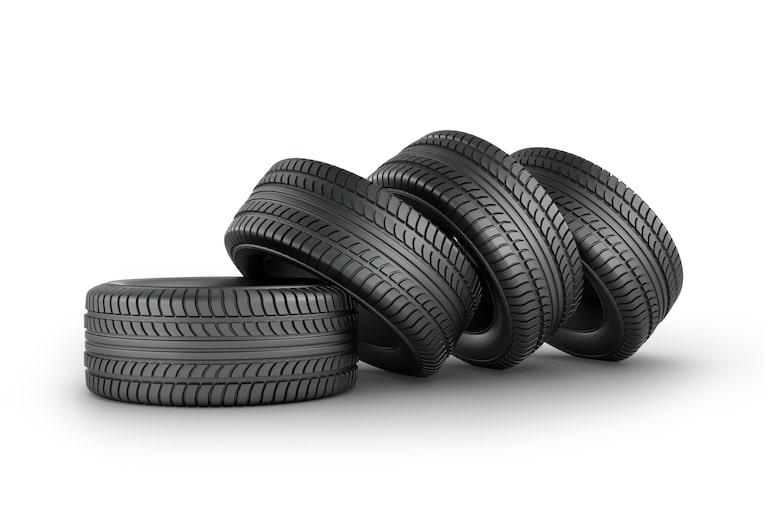
Trying to budget for new tires can feel like a guessing game, but it doesn't have to be. While the average price for a single new tire can be anywhere from $100 for a small car to over $350 for a big truck, the number on the sticker is only part of the story.
When you factor in installation, balancing, and taxes, a full set of four new tires can easily cost between $500 and $1,500—and sometimes even more.
Your 2026 Guide to New Tire Prices
So, let's get straight to it: what can you really expect to pay for new tires in 2026? Knowing the average cost is a good starting point, but the final bill includes more than just the rubber. It’s a lot like buying a concert ticket—the base price gets you in the door, but service fees and taxes make up the total you actually pay.
The same idea applies to tires. The price you see on the shelf is just for the tire itself. Your complete, out-the-door price will also cover the essential services needed to install them safely and correctly. Our goal is to give Richardson drivers a clear, practical budget from the start and show why Kwik Kar is your go-to local expert for honest, all-in pricing.
What to Expect for a Full Set of Tires
To give you a better idea for your budget, we've put together a quick snapshot of what you might pay for a complete set of four new tires.
Estimated 2026 Cost for a Full Set of Four New Tires
This table breaks down the estimated total cost by common vehicle types, helping you see where your car, truck, or SUV might land.
| Vehicle Type | Economy/Budget Tires | Mid-Range/Touring Tires | Premium/Performance Tires |
|---|---|---|---|
| Compact Car | $450 – $650 | $650 – $900 | $900 – $1,300+ |
| Mid-Size SUV | $600 – $850 | $850 – $1,200 | $1,200 – $1,700+ |
| Full-Size Truck | $800 – $1,100 | $1,100 – $1,500 | $1,500 – $2,200+ |
Just remember, these price ranges cover the tires themselves. The necessary installation services will be added to your final invoice, and we’ll break those down for you next.
Why Are Tire Prices Increasing?
If you feel like tires cost a lot more than they used to, you aren't imagining things. Producer price indexes have shown a steady climb over the past two decades, pushed up by inflation, rising raw material costs, and new tire technology.
Back in 2000, the tire price index was in the 100-110 point range. By 2024, it had jumped to 189.05 points. For car owners, this has meant paying 10-15% more annually in recent years. For Richardson families and local business fleets, replacing tires on time is a smart financial decision to head off bigger, more expensive problems down the road. You can learn more about these economic trends and how they affect the tire market.
At Kwik Kar, our NAPA AutoCare backing ensures you get dealership-quality service at fair prices, even as market costs fluctuate. We help you find the best value without sacrificing the safety and performance your vehicle needs.
Understanding the Total Cost of Tire Replacement
When you're shopping for new tires, the sticker price you see is really just the beginning. The average price for new tires covers the rubber itself, but getting them safely on your vehicle involves several critical services. Your final invoice will almost always be higher because it includes the cost of expert labor and specialized equipment needed for a proper installation.
It’s a bit like buying a new suit. The suit itself is the main purchase, but you still count on professional tailoring to make it fit just right. For tires, that "tailoring" comes in the form of services like mounting, balancing, and alignment, which are essential to make sure your car drives smoothly and safely.
Beyond the Sticker Price: Unpacking Installation Costs
The price you find online or on a store shelf is for the tire alone. The "out-the-door" price is what you should really budget for, as it covers all the necessary installation services. Let's break down each line item you can expect to see on your final bill.
- Tire Mounting: This is the physical work of taking your old tires off the wheels and fitting the new ones. It typically costs around $15 to $35 per tire.
- Tire Balancing: Technicians use a high-speed machine to spin each wheel and find any weight imbalances. They attach small weights to the rim to guarantee the tire rotates smoothly, which prevents vibrations and uneven wear. This service usually costs $10 to $20 per tire.
- Tire Disposal Fee: Your old tires have to be disposed of in an environmentally responsible way. This fee covers the cost of recycling them and generally runs $2 to $5 per tire.
This chart gives you a quick look at how the base price of a single tire can change depending on what you drive.

As you can see, tires for bigger vehicles like trucks and SUVs have a much higher starting price before any installation services are even factored in.
Additional Services for Optimal Performance
Beyond the basic installation, a couple more services are key to getting the most life out of your new tires and keeping your vehicle's safety systems working correctly. These are usually highly recommended, though they might not always be mandatory.
One crucial system is your Tire Pressure Monitoring System (TPMS), which is what triggers that dashboard light when your tire pressure is low. When you get new tires, the TPMS sensors often need to be reset or serviced, which can add $5 to $10 per wheel.
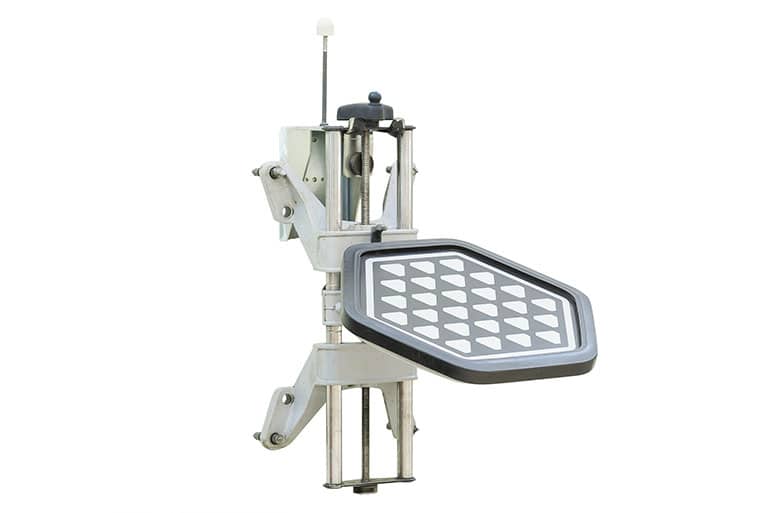
A wheel alignment is another service we strongly recommend. It adjusts your car's suspension to make sure the tires hit the road at the perfect angle. A proper alignment is your best defense against having your brand-new tires wear out too soon and can cost anywhere from $80 to $200.
These services aren't just upsells; they're smart investments in your car's safety and the longevity of your tires. With the right care, you can significantly extend their lifespan, which you can learn more about in our guide on how long car tires should last. At Kwik Kar, our ASE-certified technicians in Richardson make sure every step is done right, giving you peace of mind and the best value for your money.
What Really Drives the Price of New Tires

When you see a premium tire listed at $300 right next to a budget option for $120, it’s easy to wonder what really justifies that price gap. It's not just one thing, but a handful of key factors that all contribute to the final cost you see on the sticker.
Knowing what these factors are helps you find that sweet spot between performance, safety, and what you’re willing to spend. Think of it like buying a winter coat. A basic jacket gets the job done, but a high-end technical shell is packed with advanced waterproof materials and better insulation. Tires are a lot like that—the price is a direct reflection of the technology, materials, and specific purpose they were built for.
Brand Reputation and Tire Type
The most obvious factor is brand reputation. Big names like Michelin, Goodyear, and Bridgestone pour millions into research and development. That investment shows up in better grip, longer-lasting tread, and advanced safety features. Budget brands, on the other hand, keep costs down by using simpler rubber compounds and less complex tread designs.
The type of tire you choose also has a huge impact on the average price you'll pay:
- All-Season Tires: These are the jacks-of-all-trades, built to handle most weather conditions reasonably well. They’re a solid middle-ground choice for both price and overall capability.
- Performance Tires: Made for superior handling and speed, these tires use softer rubber compounds to maximize grip. That extra stickiness often means they wear out faster and come with a higher price tag.
- Off-Road Tires: With their deep, aggressive tread and reinforced sidewalls, these are engineered to take a beating on rough terrain. That rugged construction and specialized design naturally drive up the cost.
- EV and Run-Flat Tires: Here’s where you can really see technology adding to the price. EV tires are designed with low rolling resistance to get every last mile out of a battery charge, while run-flats let you drive for a short distance even after a puncture. Both of these features command a premium.
Vehicle Size and Global Trends
It makes sense that bigger, heavier vehicles need bigger, tougher tires. A tire for a Ford F-150 has a lot more material and engineering packed into it than one for a little Honda Civic, and the price reflects that.
Beyond your specific vehicle, global trends also affect what you pay at the local level. The worldwide tire market is projected to grow from $181.1 billion in 2025 to $272.6 billion by 2034. This growth, driven by higher vehicle production and replacement demand, points to steady price increases of 5-7% annually for consumers. You can dive deeper into the full market forecast and its implications in this detailed tire industry analysis.
Here at Kwik Kar, our ASE-certified experts in Richardson are here to help you make sense of all these factors. We’ll work with you to find the perfect tire that fits both your vehicle and your budget.
How Global Economics Affect Your Local Tire Price
You might think the price of a new tire is set by the brand and size, and that’s a big part of it. But the final number on your bill is also shaped by powerful global forces happening far beyond Richardson, TX.
Ever wonder why tires seem to cost more in some countries and less in others? It’s all down to a tangled web of international supply chains, import taxes, and how competitive different regional markets are.
Think of it like the famous Big Mac Index, which compares hamburger prices worldwide to get a feel for a country's economic health. A similar idea, the "Tire Price Index," shows some fascinating differences in what drivers pay for the very same tire in different parts of the world. It helps paint a bigger picture of what's behind your local quote.
The Tire Price Index Explained
When it comes to the average price for new tires, the United States is often used as the benchmark in global comparisons. One in-depth Tire Price Index breakdown set the cost of a premium Michelin Pilot Sport 4S tire in the USA at a baseline of 100%.
But in Germany, that same tire is 23% cheaper. Over in Turkey, it’s an impressive 32% cheaper.
On the other hand, drivers in countries with a higher cost of living often pay a premium for the exact same rubber:
- Norway: Tires run about 11% more expensive.
- Australia: You can expect to pay around 7% more.
- Iceland: Prices are slightly higher at 2% more than in the U.S.
These differences show how things like where a tire is made, how much it costs to ship, and what kind of import duties are tacked on directly impact what you pay at your local shop. A tire built in a European factory is naturally going to cost less there than one that has to be shipped across an ocean and clear customs.
This is exactly why buying from a trusted local dealer like Kwik Kar is so valuable. We navigate the complexities of the global market for you, making sure you get fair, transparent pricing without the headache. Plus, you get the huge benefit of local service, expert installation, and a reliable warranty—advantages you just can’t get when hunting for deals overseas.
Smart Strategies to Save on New Tires

Once you have a handle on what a new set of tires might cost, the next question is always the same: how can I lower that number? While the average price for new tires can feel steep, a few smart moves can make a real difference in your final bill without ever compromising on safety.
Think of it like any other major purchase—a little planning goes a long way. You wouldn't just grab the first TV you see on the shelf. You'd compare brands, look for sales, and find the one that gives you the best value. The same approach works wonders when buying tires, and we've got a few insider tips that can lead to some serious savings.
Time Your Purchase for Peak Savings
One of the easiest ways to save is to buy your tires during seasonal sales events. Just like retailers roll out discounts for big holidays, tire shops run their best promotions during certain times of the year.
- Spring and Fall: These are the two key seasons for tire deals. In spring, people are getting ready for summer road trips, and in the fall, they're preparing for colder weather. Shops get competitive and offer rebates and special prices to earn your business.
- Holiday Weekends: Keep an eye out for promotions around Memorial Day, the Fourth of July, and Black Friday. These are prime times for tire manufacturers to offer mail-in rebates on a full set of four.
By planning ahead and buying during these peak deal times, you can often save $50 to $150 on a new set.
The worst time to buy tires is when you absolutely have to. If you're shopping out of desperation, you'll almost always pay full price. If you know you'll need tires in the next six months, start watching for deals now.
Choose the Right Brand and Warranty
While it’s tempting to go for premium brands, you don't always need the most expensive tires on the rack. Many excellent mid-range brands offer a fantastic combination of performance, longevity, and value. These tires often use proven technology from their premium parent companies but at a much more wallet-friendly price.
A good warranty is another way to save. Look for tires that come with a solid tread life warranty, like 60,000 miles or more. A tire that lasts longer means you'll be replacing them less often, saving you a lot of money in the long run.
Maintenance Is Your Best Money-Saving Tool
Honestly, the single best way to save money on tires is to take great care of the ones you already own. Staying on top of maintenance is your best defense against premature wear, which is what forces you to buy new tires sooner than you should have to.
Regular tire rotations and wheel alignments are your best friends here. Rotations make sure all four tires wear down evenly, and a proper alignment prevents the edges from getting chewed up. These simple services can add thousands of miles to your tires’ lifespan, stretching your investment as far as it can go.
At Kwik Kar, we help Richardson drivers get the most for their money with honest quotes and expert service that protects your investment. Be sure to check out our current specials on a set of tires to find the latest deals.
Get a Trusted Tire Estimate from Kwik Kar Richardson
Okay, so we've covered a lot of ground. You now know that the average price for new tires is just the beginning, and that things like installation, brand names, and even what’s happening in the global economy can shift the final cost. With that knowledge and a few smart shopping strategies, you're in a great position to make a solid decision for your car.
The next step is to see what a trusted local expert can do for you. Here at Kwik Kar, we cut through the confusion and give you a transparent, all-in estimate right from the start.
Your Local Richardson Tire Experts
Forget trying to figure out the endless options and surprise fees on your own. Our promise has always been simple: deliver dealership-quality work at a fair price, all handled by ASE-certified technicians you can actually talk to and trust. We don't just sell tires; we make sure your car gets the right ones, installed perfectly for your safety and the car's performance.
Imagine driving off with total confidence, knowing every single part of your tire service was done correctly. That’s the peace of mind we aim to provide every single day.
Our shop is proudly backed by both CARFAX and RepairPal, which means our work meets the highest industry standards for quality and customer satisfaction. This commitment ensures you receive reliable service that protects your investment and keeps you safe on the road.
Your journey to a safer, smarter drive starts with a team that genuinely has your best interests at heart. We stand behind our work and give you the expert advice you need to get the most life and value out of your new tires.
Ready to see how we can help? You can learn more about our approach by visiting our official page for a certified tire shop in Richardson. Let us put together a clear, honest quote for your specific vehicle today.
Frequently Asked Questions About Tire Costs
Even after you've worked out a budget, it's natural to have a few more questions pop up. To help you feel completely confident in your decision, we've put together some straightforward answers to the questions we hear most often from Richardson drivers.
How Often Should I Really Replace My Tires?
Most new tires are built to last somewhere between 50,000 to 60,000 miles. For the average driver, that works out to be about three to five years of use.
Once your tires hit the five-year mark, it’s a good idea to have them inspected annually, even if they haven't hit that mileage yet. And no matter what, you should always replace any tire that's more than ten years old because the rubber compounds break down over time.
Is It Okay to Replace Just Two Tires Instead of All Four?
While it’s technically possible, we almost always recommend replacing all four tires at the same time. This is especially true for all-wheel drive (AWD) vehicles, which are very sensitive to differences in tire circumference.
When you only replace two, you create a mismatch in tread depth between your new and old tires. This can lead to unpredictable handling, put extra strain on your car’s drivetrain, and might even confuse your vehicle's stability control system. If you absolutely have to replace just two, they must be installed on the rear axle to maintain vehicle stability.
What Kind of Warranty Does Kwik Kar Offer on New Tires?
The majority of new tires we sell include a manufacturer's tread life warranty, which protects your purchase against premature wear.
On top of that, our installation services are performed by ASE-certified technicians and are backed by the NAPA AutoCare Peace of Mind Warranty. This gives you an extra layer of protection, covering parts and labor on our work for 24 months or 24,000 miles. We make sure your investment is protected from every angle.
Tackling tire replacement can bring up a lot of questions, and getting clear answers is key. Here’s a quick-reference table for some of the most common inquiries we receive.
| Question | Answer |
|---|---|
| How often should I really replace my tires? | Most tires last 50,000-60,000 miles (3-5 years). Inspect them yearly after 5 years and always replace them if they're over 10 years old, regardless of mileage. |
| Is it okay to replace just two tires instead of all four? | It's strongly recommended to replace all four, especially on AWD vehicles. If you must replace only two, they should always be installed on the rear axle for safety. |
| What kind of warranty does Kwik Kar offer on new tires? | We offer the manufacturer's tread life warranty plus our own NAPA AutoCare Peace of Mind Warranty, which covers parts and labor for 24 months/24,000 miles. |
| How can I easily check my tire tread depth at home? | Use the "penny test." Place a penny with Lincoln's head upside down in the tread. If you can see his entire head, your tread is below the safe limit of 2/32 of an inch. |
Hopefully, these answers clear things up and help you feel more prepared. Proper tire maintenance isn't just about performance; it's a critical part of keeping you safe on the road.
At Kwik Kar Oil Change and Auto Care, we're committed to giving you clear, honest answers and expert service you can always count on. If you have more questions or you're ready for a transparent tire estimate, stop by our Richardson shop today.
You can learn more about our commitment to quality and schedule a visit right on our website.