Let's get one thing straight right away: yes, you can switch from synthetic to conventional oil in most modern cars without a problem. There's a persistent myth floating around that making this switch will cause leaks or even damage your engine, but for today's vehicles and oil formulas, that's simply not true.
Debunking Old Myths About Switching Engine Oil
For years, drivers have been told that going from a premium synthetic oil back to a regular mineral-based one is a major downgrade that will harm their engine. Honestly, this concern is completely understandable, but it’s rooted in some seriously outdated information. The reality is that modern engine oils are formulated to be fully compatible, meaning you can transition between them safely.
So where did this fear come from? It really took hold back in the 1970s when quick-lube shops started pushing the now-infamous 3,000-mile oil change interval. This was more of a marketing gimmick than a mechanical necessity, and it created a ton of confusion about how different oils worked together. Discussions among automotive pros and everyday enthusiasts confirm that for most cars, switching is perfectly fine. As long as you stick to the correct viscosity grade (like 5W-30) listed in your owner's manual, your engine has the protection it needs. You can even find oil experts digging into the details on forums like bobistheoilguy.com, explaining why switching is safe.

Key Differences at a Glance
If both types of oil are safe to use and switch between, what’s the actual difference? The choice usually boils down to three things: cost, performance, and your preferred maintenance schedule. Synthetic oil is engineered to give you better protection in extreme temperatures and lets you go longer between changes. Conventional oil, on the other hand, gets the job done reliably for a lower upfront price.
Thinking through these trade-offs is key. To make it easier, here’s a quick breakdown to help you compare the two.
Quick Comparison Synthetic vs Conventional Oil
This table gives you a summary of the key differences between synthetic and conventional oils, helping you make a more informed choice for your vehicle's needs and your budget.
| Feature | Synthetic Oil | Conventional Oil |
|---|---|---|
| Upfront Cost | Higher | Lower |
| Performance | Superior protection, especially in extreme heat or cold | Good, reliable protection for standard driving conditions |
| Change Interval | Longer (7,500-15,000 miles) | Shorter (3,000-5,000 miles) |
| Engine Cleanliness | Excellent; contains more detergents to reduce sludge | Good; provides adequate cleaning for regular use |
Ultimately, both options are viable for most cars on the road today.
The bottom line is that you have flexibility. The most important rule is not which type of oil you use, but that you change it consistently at the recommended interval for that specific oil.
Understanding What Makes Each Oil Type Different
To really make a smart choice about switching from synthetic to conventional oil, it helps to know what you're actually putting inside your engine. Both oils are designed to lubricate and protect, but their origins and molecular make-up are completely different, which leads to some big performance gaps. It's not really a "good vs. bad" debate—it's about picking the right tool for the job.

Here's a simple way to think about it: conventional oil is like a tough pair of leather work boots. It's refined straight from crude oil pulled from the ground. It’s reliable and gets the job done, but the molecules inside are all different sizes and shapes. That irregularity means it can break down faster when things get tough.
Synthetic oil, on the other hand, is like a pair of high-tech running shoes. It also starts as crude oil, but it gets completely re-engineered in a lab. Scientists break the petroleum molecules down and build them back up into perfectly uniform structures, filtering out all the impurities along the way. The result is an oil that’s incredibly stable and resilient.
How Structure Affects Performance
That molecular difference isn't just a fun fact for a chemistry class; it directly impacts how your engine performs day-to-day. The uniform molecules in synthetic oil flow much more easily, especially on a cold morning, giving your engine better protection right at startup. They also fight off heat breakdown far more effectively, which is a lifesaver in the brutal Texas heat or when you're towing something heavy.
Here’s how those differences play out in the real world:
- Heat Resistance: Synthetic oil can handle temperatures climbing past 450°F. Conventional oil starts to struggle and oxidize around 300°F, which can lead to nasty sludge and deposits clogging up your engine's vital passageways.
- Cold-Weather Flow: When the temperature drops, synthetic oil stays fluid. This is huge, because it means oil gets to your engine’s critical parts instantly on a cold start, cutting down on wear during those first few vulnerable moments.
- Purity and Additives: Because the synthetic refining process strips out more gunk, the base oil is cleaner. This allows engineers to blend in more effective additives—like detergents and anti-wear agents—that boost engine protection and keep things clean. You can dive deeper into these differences in our complete guide on synthetic vs. conventional oil.
The key takeaway is that synthetic oil offers a wider margin of safety. It’s engineered to perform at the extremes, providing a buffer against intense heat, heavy loads, and extended use.
Choosing the Right Fit for Your Vehicle
Now, this doesn’t automatically make conventional oil a bad choice. Far from it. For a lot of drivers with older vehicles or those who just have a gentle daily commute, it provides perfectly adequate protection. It lubricates, cools, and cleans just fine under normal conditions.
The decision to switch from synthetic to conventional oil really comes down to balancing that dependable, everyday performance against the superior durability and longer life you get from a synthetic.
Weighing the Real-World Pros and Cons of Switching
Deciding whether to switch from synthetic to conventional oil really boils down to a simple trade-off between your budget and what your engine needs to run its best. The most immediate, noticeable perk of making the switch? You'll save money at every oil change. It's a practical move that makes a lot of sense for families, daily commuters, and just about anyone keeping a close eye on their vehicle expenses.
But saving a few bucks upfront is only one side of the coin. On the other side, you're looking at some performance compromises and a different maintenance schedule. While a lower price tag is always appealing, it’s smart to understand exactly what you're giving up in return.
The Financial Benefit of Switching
Let's be honest—the main reason anyone considers this switch is to save money. And the financial difference is pretty significant. According to a 2019 survey from AAA, an oil change with five quarts of conventional oil averaged around $38, while a full synthetic oil change was nearly double at $70.
That means a single switch could put about $32 back in your pocket. For a driver who gets two oil changes a year, that adds up to $64 in annual savings. These numbers make it pretty clear why budget-conscious drivers are so interested in this topic. You can dive deeper into these cost-saving insights from industry reports to see the full picture.
This immediate financial relief is a clear "pro" for switching to conventional oil. If your driving is pretty average and your vehicle isn't a high-performance machine, these savings can be a smart financial decision without risking necessary engine protection.
Performance and Maintenance Adjustments
While the savings are great, switching to conventional oil does come with a few key trade-offs in performance and maintenance. By its very nature, conventional oil just doesn't offer the same level of protection when things get stressful for your engine.
Here’s what that really means for you:
- More Frequent Oil Changes: Conventional oil breaks down faster than synthetic, so you'll need to stick to shorter service intervals—typically every 3,000 to 5,000 miles. For comparison, synthetic oil can often go 7,500 to 15,000 miles. You'll just be visiting the shop a bit more often.
- Reduced Protection in Extreme Conditions: If you tow heavy loads, spend a lot of time in stop-and-go city traffic, or drive in extreme heat, conventional oil might not provide enough thermal stability. Over time, this can lead to increased engine wear.
- Potential for More Sludge Buildup: Synthetics are packed with advanced detergents that are fantastic at keeping your engine clean. Conventional oil does a decent job, but it may allow for slightly more deposits and sludge to form over the long haul.
The core question becomes: Is the immediate cost saving worth the increased maintenance frequency and the slight reduction in performance reserves? For many drivers with standard commutes, the answer is a confident yes.
Ultimately, the choice to switch from synthetic to conventional oil is a personal one. You have to weigh the tangible pro of lower costs against the cons of more frequent maintenance and less robust protection for demanding driving situations.
When You Should Stick with Synthetic Oil
While it’s almost always safe to switch from synthetic to conventional oil, that doesn't mean it's always a good idea. In some cases, sticking with synthetic isn't just a preference—it's essential for your engine's health and longevity.
Making the wrong call here isn't just about performance; it could lead to unnecessary engine wear, a voided warranty, or even some painful repair bills down the road. The decision really boils down to weighing short-term cost savings against your engine's long-term needs.
This guide can help you map out that decision.

As you can see, the right choice really comes down to your car's specific needs and how you drive it.
Manufacturer Requirements and Warranty Protection
Here’s the golden rule, and it's a simple one: always follow your manufacturer’s recommendation. If your owner's manual says to use synthetic oil, then you stick with synthetic oil. Period.
This isn’t just a casual suggestion; it's a critical engineering requirement. Modern engines, especially high-performance or turbocharged ones, run incredibly hot and operate under immense pressure. Synthetic oil is specifically designed to handle those extreme conditions where conventional oil would break down and fail.
Ignoring the manufacturer's spec can hit you right in the wallet.
- Voiding Your Warranty: Most new car warranties are tied to you following the recommended maintenance schedule with the right fluids. If you use conventional oil when synthetic is required, a dealer could deny an engine-related warranty claim.
- Lease Agreement Violations: Leasing a vehicle? The agreement almost certainly requires you to follow the manufacturer's service plan to the letter. Using the wrong oil could lead to some hefty penalties when you turn the car in.
Think of it like a prescription. Your doctor gives you a specific medication for a reason. A cheaper, over-the-counter alternative might seem tempting, but it won't do the job and could even make things worse. Your engine's oil requirement is no different.
Demanding Driving Conditions
Even if your manual doesn't strictly require synthetic, your driving habits might make it a necessity. If you push your vehicle hard, synthetic oil offers a level of protection that conventional oil just can't match.
It's a smart move to stick with synthetic if your driving routine includes:
- Towing heavy loads like a boat, trailer, or camper.
- Driving in extreme temperatures, whether it's brutal summer heat or freezing winter cold.
- Dealing with constant stop-and-go city traffic.
- Making frequent short trips where the engine never has a chance to fully warm up.
Each of these scenarios puts a massive amount of strain on your engine, forcing the oil to work much harder. Synthetic oil is built for this. Its superior thermal stability ensures it won't break down, keeping sludge at bay and protecting your engine’s most critical parts when they need it most.
How to Make a Smooth Transition Between Oils

If you've decided the cost savings and practical benefits of conventional oil are a better fit for your needs, you’ll be happy to know that making the switch is refreshingly simple. The process is really just a standard oil change, but paying a little extra attention to detail will ensure a flawless transition and give you total peace of mind.
The main goal here is to get as much of the old synthetic oil out as possible, giving your engine a truly clean start. Think of it like rinsing out a coffee mug before pouring in tea—you want a clean slate to get the pure, intended flavor. That same idea applies to your engine.
Steps for a Clean Switch
To make sure your engine gets the best care, follow these essential steps. They aren't complicated, but skipping them can undermine all the benefits of putting fresh oil into your car.
Confirm the Right Oil Spec: Before you do anything else, grab that owner’s manual. Look up the required oil viscosity grade (like 5W-30 or 10W-30) and the performance standard (such as API SN). This is easily the most important detail—using the wrong weight is far more harmful than switching oil types will ever be.
Perform a Thorough Drain: It helps to have the engine slightly warm, as this allows the oil to flow out more easily. Give it plenty of time to drain completely until it’s just a slow drip. This simple step removes the maximum amount of old synthetic oil and any contaminants it was holding.
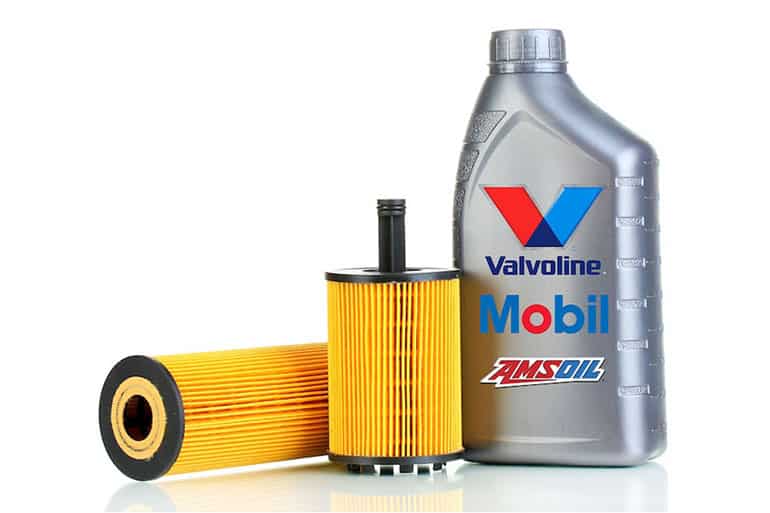
Always Replace the Oil Filter: This part is non-negotiable. Your old filter is full of gunk and particles captured from the synthetic oil. Leaving it in would be like taking a shower and putting your dirty clothes right back on—it would contaminate the fresh conventional oil immediately, reducing its effectiveness right from the start.
A new oil filter is a clean gatekeeper for your engine. It ensures the new conventional oil can do its job of lubricating and cleaning without fighting leftover grime from the start.
By following these simple guidelines, you can confidently switch from synthetic to conventional oil. It's a straightforward process that protects your engine, validates your decision, and sets you up for reliable performance on the road ahead.
Why Trust Certified Technicians for Your Oil Change
Knowing you can switch from synthetic to conventional oil is only half the battle. Making sure the job gets done right is what truly protects your engine in the long run. An oil change might seem like a simple task, but the quality of the service can make a world of difference for your engine's performance and lifespan. This is where a certified professional's touch becomes so important.
When you go to a reputable auto shop, you're not just buying a few quarts of oil; you're investing in expert oversight. Technicians who are ASE (Automotive Service Excellence) certified have passed tough exams to prove their skills. They know engines inside and out and can often spot a small problem—like a minor leak or a fraying belt—that you might completely miss doing it yourself.
Expertise Beyond the Basics
A certified technician does a lot more than just drain old oil and pour in new. They offer honest, expert advice based on your specific car, your budget, and how you drive every day. Instead of just trying to upsell you, a true professional will have a conversation with you about whether sticking with synthetic or moving to conventional is the smartest choice for your situation.
Think of it as building a partnership for your car's health. When you find a shop you trust, you gain a team dedicated to keeping your vehicle on the road longer. They maintain detailed service records, get to know your car's history, and provide consistently great care. A proper, professional oil change always includes:
- Using the exact oil viscosity and type your manufacturer recommends.
- Installing a high-quality oil filter correctly to prevent leaks.
- Checking and topping off all your other essential fluids.
- Performing a quick visual inspection to catch potential issues early.
Choosing a certified shop turns a routine chore into a proactive step for your vehicle's well-being. It’s the difference between just swapping out oil and having a skilled expert make sure your engine is protected for every mile ahead.
At the end of the day, a quality oil change gives you peace of mind. To see what a truly comprehensive service involves, you can learn more about the benefits of a full-service oil change in our detailed guide. Trusting the pros ensures the job is done right every single time, protecting your investment.
Common Questions About Switching Engine Oils
Even after weighing the pros and cons, you might still have a few lingering questions about what really happens when you switch from synthetic to conventional oil. It’s completely normal to want all the facts before making a maintenance decision for your car.
This final section gives you direct, clear answers to some of the most common concerns we hear from drivers every single day. Our goal is to give you the confidence to manage your vehicle’s health, whether you stick with high-performance synthetics or go the budget-friendly route with conventional.
Let's clear up any remaining confusion.
Will Mixing Oils Damage My Engine?
One of the biggest worries drivers have is whether that small amount of old synthetic oil left after a drain will somehow contaminate or harm the new conventional oil. The answer is a definitive no.
You won't cause any damage. All modern motor oils sold in the U.S. have to meet specific API (American Petroleum Institute) standards, which guarantee they are fully compatible with each other. A tiny bit of leftover synthetic will simply mix harmlessly with the fresh conventional oil. The most important thing is still using the correct viscosity grade (like 5W-20 or 5W-30) that your owner's manual specifies.
The real takeaway here is that compatibility is built right into modern oil formulations. The minimal residue left during a standard oil change poses zero threat to your engine’s health or performance.
Can I Switch Back to Synthetic Later?
Absolutely. There's no rule that says once you switch to conventional, you’re stuck with it forever. You can easily switch back and forth between synthetic and conventional oils at any oil change.
The process is exactly the same—just a standard oil change with a new filter. The only thing you'll need to adjust is your maintenance schedule. Remember to follow the recommended change interval for whatever type of oil is currently in your engine. That means shorter intervals for conventional and longer ones for synthetic. Wondering how often an oil change is required? Our guide breaks it all down.
Does Switching to Conventional Oil Affect Resale Value?
This is a great question, but the answer is simple: it is highly unlikely to impact your car’s resale value at all. What truly matters to potential buyers and dealerships is a consistent, well-documented service history.
A complete logbook showing regular oil changes done at the correct intervals for conventional oil proves you're a responsible owner. That proof of consistent maintenance is far more valuable than the specific type of oil you used. A well-cared-for engine is a well-cared-for engine, period.
Whether you need help deciding on the right oil or just want a professional to handle the change, Kwik Kar Oil Change and Auto Care is here to help. Our ASE-certified technicians provide transparent advice and expert service to keep your vehicle running smoothly. Schedule your next oil change with us today!