OEM Parts vs. Aftermarket: How to Choose for Your Car
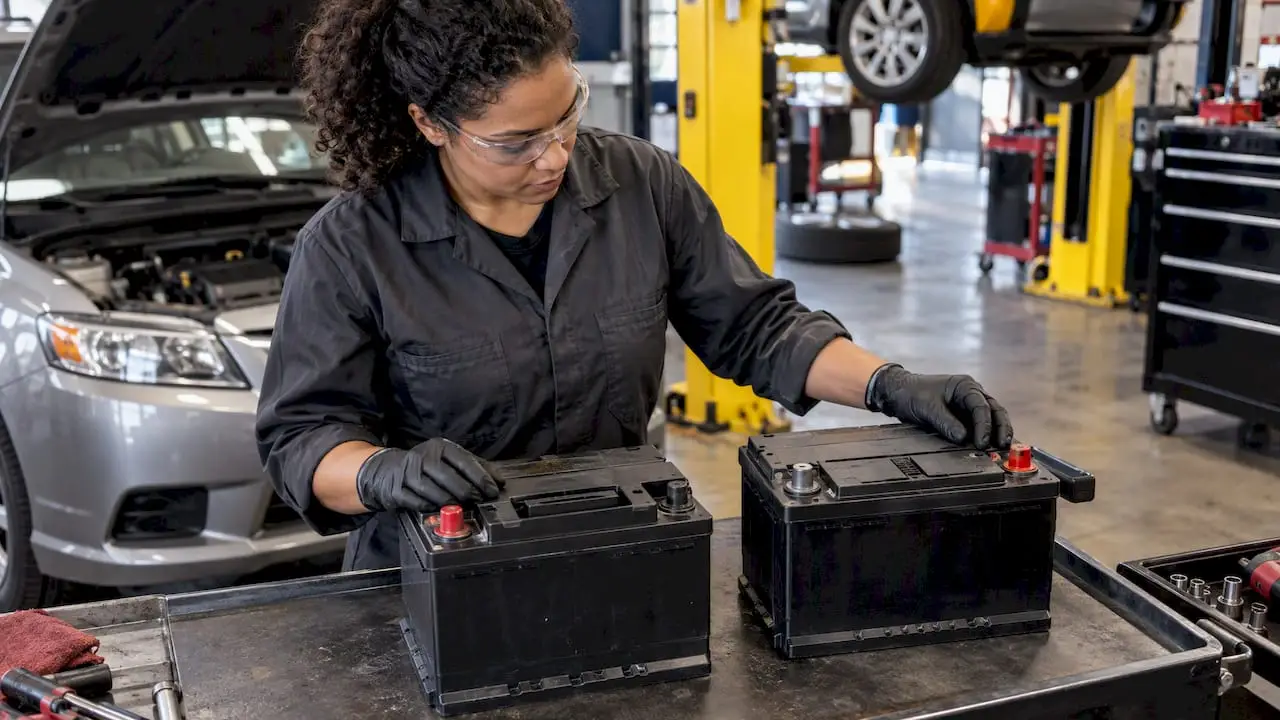
Neither choice is automatically better. OEM parts are made by or for your vehicle’s manufacturer and give the most predictable fit. Aftermarket parts come from independent companies and range from excellent to poor. For most routine maintenance, a reputable aftermarket part is a reasonable choice. For safety systems, complex electronics and collision work, the decision deserves more scrutiny. The right answer depends on the part, the brand and the installation.
This guide explains the differences in plain terms and covers what the law says about your warranty. It also tells you what to ask a repair shop before you approve a repair. If you drive in Richardson, Plano, Garland, Addison or North Dallas, we’ve added a few local notes.
TL;DR
- OEM means made by, or for, your vehicle’s manufacturer. Aftermarket means made by an independent company, and quality varies by brand and by part.
- Using aftermarket parts does not void your new-car warranty by itself. A dealer must show the part caused the damage to deny a related claim, according to the FTC.
- Brakes, airbag-related repairs and other safety systems call for extra care, and certain equipment must meet federal standards.
- Ask for a written estimate that names the brand and specification of every part, plus the parts and labor warranty in writing.
Table of Contents
- What OEM and aftermarket actually mean
- How OEM and aftermarket parts compare
- Will aftermarket parts void your warranty?
- What the law says about aftermarket parts and safety
- When the choice matters most
- A step-by-step way to decide
- Our perspective at Kwik Kar Richardson
- Texas notes for Richardson drivers
- Questions to ask any repair shop
- Getting a second look in Richardson
- FAQ
- Ready to talk through your repair?
- Sources
What OEM and aftermarket actually mean
OEM stands for original equipment manufacturer. In practice, an OEM part is the same part your vehicle was built with, or one made to the same design for the automaker. It is often sold in a manufacturer-branded box, though the part itself may come from an outside supplier.
An aftermarket part is made by a company that is not the vehicle manufacturer. Some are built to match the original closely. Some are redesigned to fix a known weak point. Others are built to hit a low price.
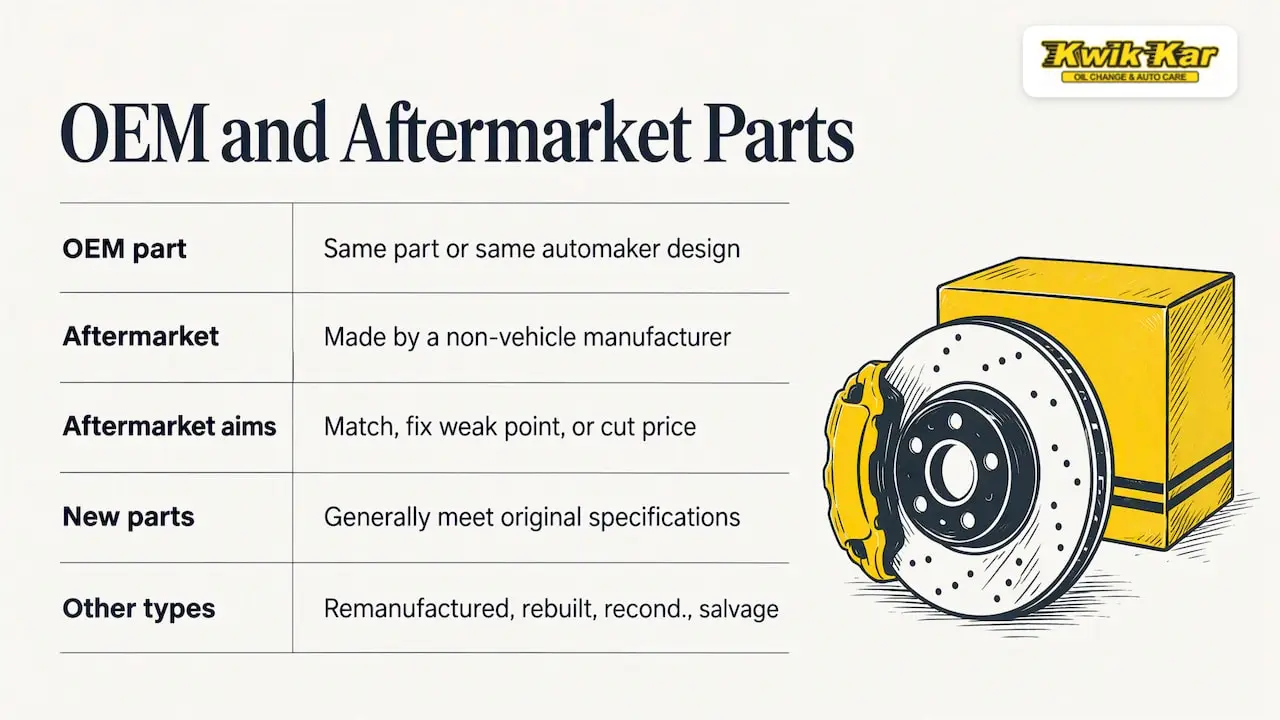
The FTC describes new parts as generally made to original manufacturer specifications, whether by the vehicle manufacturer or by an independent company. It lists remanufactured, rebuilt, reconditioned and salvage parts as separate categories. Those are not the same as new parts, and a good estimate says which one you are getting.
Parts you may see on an estimate
| Type | What it is | Typical consideration |
|---|---|---|
| OEM | Made by or for the vehicle manufacturer | Predictable fit, usually the highest price |
| Aftermarket (new) | Made by an independent company | Wide range of brands, prices and quality |
| Remanufactured or rebuilt | Used core restored to working condition | Depends on the rebuilder and the warranty |
| Salvage or recycled | Taken from another vehicle | Condition and history vary |
How OEM and aftermarket parts compare
The popular shortcut says OEM is good and aftermarket is bad. It is wrong in both directions. Some aftermarket brands supply parts to automakers or match them closely. Some low-cost parts fit poorly or wear out early. Meanwhile, an OEM part is not immune to a bad installation.
Here is a fairer way to compare them.
Fit and finish
OEM parts are cataloged to your exact VIN, so the odds of a mismatch are low. Aftermarket parts are cataloged by make, model and year, and trim-level differences can cause surprises. A good technician checks the new part against the old one before installing it. That is a small step, but it prevents a lot of rework.
Quality and materials
Aftermarket quality varies a great deal by manufacturer and by part. That is why “aftermarket” alone is not enough detail on an estimate. The brand and the part specification tell you far more. A reputable brand with a clear warranty is a different product from an unbranded part with no paper trail.
Price
Aftermarket parts are often less expensive, and competition among brands is a big reason. We won’t quote a savings percentage here, because it swings widely by part and by vehicle. Compare the full repair price, not just the part. Labor, shipping delays and a second visit for a bad fit can erase a lower sticker price.
Availability
For older vehicles or high-volume wear items, aftermarket parts are often easier to get and come in more options. For newer models or specialized components, the OEM part may be the only practical choice, at least for a while.
Warranty
Both types can carry a warranty, but terms differ. The FTC notes that repair warranties have no single standard. They can limit time, mileage, authorized facilities or labor coverage. A part with a long warranty that excludes labor may cost you more than a shorter warranty that includes it.
Will aftermarket parts void your warranty?
No, not on their own. The FTC says that under federal law a vehicle warranty stays in effect when aftermarket or recycled parts are used. A manufacturer or dealer cannot deny coverage just because of that. To refuse a claim for related damage, it has to show that the part caused the problem.
The same logic applies to routine maintenance done outside the dealership. The FTC has said plainly that independent maintenance does not void a warranty. What matters is proof that you did the maintenance.
That is why paperwork matters. Keep the completed repair order, not just the estimate. The FTC recommends a record listing the work, each part and its cost, labor and odometer readings, because a warranty administrator may ask for proof of proper maintenance.
Pro tip: If your car is under a manufacturer warranty or a service contract, read the contract before a major repair. Then ask the shop to put the part brand and specification on the estimate. If a question comes up later, you will have documents instead of memories.
What the law says about aftermarket parts and safety
Aftermarket parts are legal in the United States. NHTSA has stated that it has no regulations restricting aftermarket parts in repairing vehicles, with exceptions for certain regulated equipment. The agency lists items such as brake hoses, lamps, new tires, brake fluid, glazing and seat belts as equipment that must meet applicable federal safety standards.
NHTSA has also addressed whether federal law requires repair shops to use only OEM parts. Its answer to that question frames the real issue: a repair business must not make required safety equipment inoperative, and it must use reasonable judgment and skill.
In plain terms, “cheapest part” is an incomplete rule. The better rule is: choose a part that is compliant, correctly specified for your vehicle and properly installed.
When the choice matters most
Not every repair carries the same stakes. Here is how we think about it, system by system.
Brakes
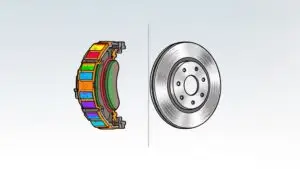
Brake parts are a common search, and for good reason. Pads, rotors, calipers and hoses all affect stopping distance. Quality aftermarket brake parts are widely used, and many drivers are well served by them. What matters is matching the part to how you drive. A daily commuter on Central Expressway has different needs from someone towing a trailer. Brake hoses and brake fluid must meet federal standards, so confirm that any hose or fluid meets them.
Also, brake parts should be replaced as sets by axle, and rotors and pads should be compatible with each other. Mixing a premium pad with a worn or low-grade rotor wastes the money you spent on the pad. If you are weighing options, our brake repair and service page explains what we look at during an inspection.
Airbags and restraint systems
This is where we urge the most caution. NHTSA’s guidance on airbags emphasizes vehicle-specific design and proper installation, along with related sensors, wiring and a working readiness indicator. If your airbag light is on, or a collision repair involves restraint components, ask how the selected part preserves the vehicle’s intended safety operation.
Sensors, electronics and modules
Modern vehicles depend on sensors that talk to each other. A cheap oxygen sensor or mass airflow sensor can cause a check engine light to return, or can trigger drivability complaints. When an electronic part is involved, the fit is not only physical. It also has to communicate correctly with your vehicle’s computer. If a diagnosis points to a sensor, you may see our guide to what the check engine light means useful before you decide.
Suspension and steering
Control arms, ball joints, tie rods and shocks wear out with mileage, and quality aftermarket versions are common. The key is installation and alignment afterward. A new part installed on a misaligned vehicle will wear out tires fast. Our steering and suspension service and wheel alignment pages cover what to expect.
Routine maintenance parts
Filters, wiper blades, belts, hoses, spark plugs and batteries are the parts where a reputable aftermarket product is usually a sensible choice. Follow your vehicle manufacturer’s recommended specifications, such as oil viscosity or plug type, rather than a generic rule. Intervals also differ by vehicle, so check your owner’s manual. Our article on how often to change oil explains why one number does not fit every car.
Tires
Tires are regulated equipment, and nearly all of them are “aftermarket” in the sense that the replacement brand often differs from the factory tire. The question is the right size, load rating and type for your vehicle and driving. Our tire sales and service page is a good place to start, and the signs you need new tires can help you decide timing.
Quick decision guide
| Repair | Often reasonable | Look closer |
|---|---|---|
| Oil and air filters, wipers | Reputable aftermarket meeting the manual’s specs | Wrong oil specification for your engine |
| Brake pads and rotors | Quality aftermarket, matched as a set | Hoses and fluid that must meet federal standards |
| Shocks, struts, control arms | Quality aftermarket with a clear warranty | Fit, alignment afterward |
| Sensors and modules | Depends on the system | Communication with the vehicle computer |
| Airbags and restraints | Rarely a place to experiment | Vehicle-specific design and installation |
| Collision body parts | Varies | Fit, safety systems, insurer requirements |
A step-by-step way to decide
- Identify the system. Is it a wear item, or does it affect crash protection, braking or the vehicle’s computer?
- Check your coverage. If the car is under a manufacturer warranty or service contract, read the terms first.
- Ask for options. A good shop can explain what is available for your vehicle and the difference in price and warranty.
- Get it in writing. The FTC advises a written estimate showing the condition, the parts and the expected labor. It should also confirm the shop will call you before going over an agreed amount. Our guide to getting an accurate repair estimate walks through it.
- Name the part. “Aftermarket” is not a specification. Ask for the brand and part type, and whether it is new, remanufactured or salvage.
- Compare the total. Add labor, warranty terms and the cost of a possible second visit.
- Keep the repair order. Check that it lists each part, its cost, labor and odometer readings.
Our perspective at Kwik Kar Richardson
We don’t think the OEM-versus-aftermarket debate should be settled by a slogan. We think it should be settled by the specific part on your specific vehicle, and by what you drive and how long you plan to keep the car.
Our ASE-certified technicians document what they find, and our digital vehicle inspections let you see the condition of what we are recommending. That matters here, because a part choice made with photos and a written estimate in front of you is a better one than a choice made over a phone call.
We also believe in proportion. Not every worn part is an emergency, and not every repair has to be done today. If a part is a safety concern, we will say so and explain why. If it can wait, we will say that too. Ask us what your options are, and what each one means for price, fit and warranty.
One point on warranty: our 24-month/24,000-mile limited warranty applies to qualifying repairs, and our Lifetime Suspension Warranty applies only to qualifying suspension repairs. Neither covers every service or inspection. Ask us what applies to your repair before you approve it, and keep the details in writing.
— Kwik Kar
Texas notes for Richardson drivers
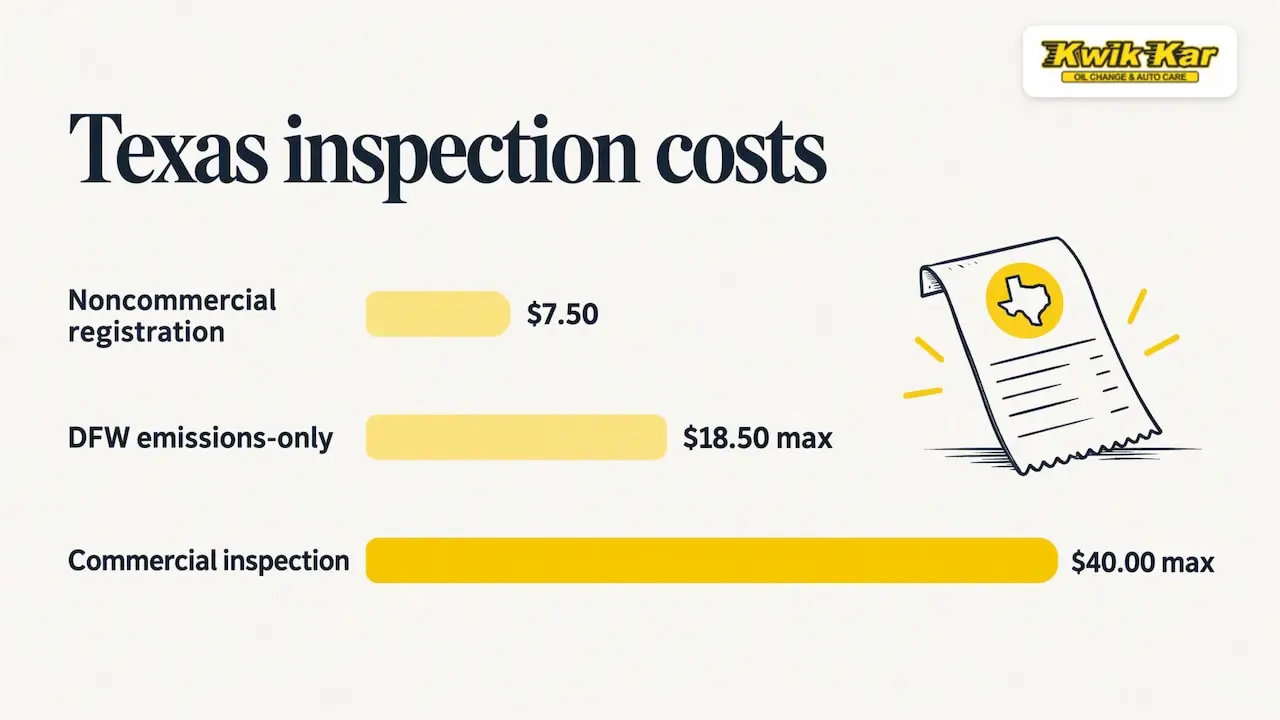
Inspection rules often come up when people talk about parts, so here is where things stand. Texas ended most non-commercial passenger vehicle safety inspections on January 1, 2025, and the Department of Public Safety says non-commercial vehicles pay a $7.50 inspection program replacement fee at registration. Commercial vehicles still need annual safety inspections.
Emissions testing remains required for qualifying vehicles in applicable counties. DPS lists Dallas and Collin among the affected counties, which covers Richardson, Plano, Garland and Addison. The DPS cost page lists a maximum station charge of $18.50 for DFW emissions-only inspections and $40.00 for commercial inspections, so check the current DPS cost page before you go.
Why mention it here? Emissions-related parts, such as oxygen sensors and catalytic converters, are an area where part choice affects whether a vehicle passes. If you are facing an emissions failure, read our explanation of why vehicles fail emissions inspections and our overview of Texas safety versus emissions requirements. Then ask for a diagnosis before any part is replaced.
Questions to ask any repair shop
- Is this part new, remanufactured, rebuilt or salvage?
- What brand is it, and who stands behind the part warranty?
- Does the warranty cover labor, and for how long or how many miles?
- Are there other part options for my vehicle, and how do they differ?
- Will you call me before the bill goes above the estimate?
- Can I have the completed repair order with every part and its cost listed?
A shop that answers these without hesitation is a shop worth keeping.
Getting a second look in Richardson
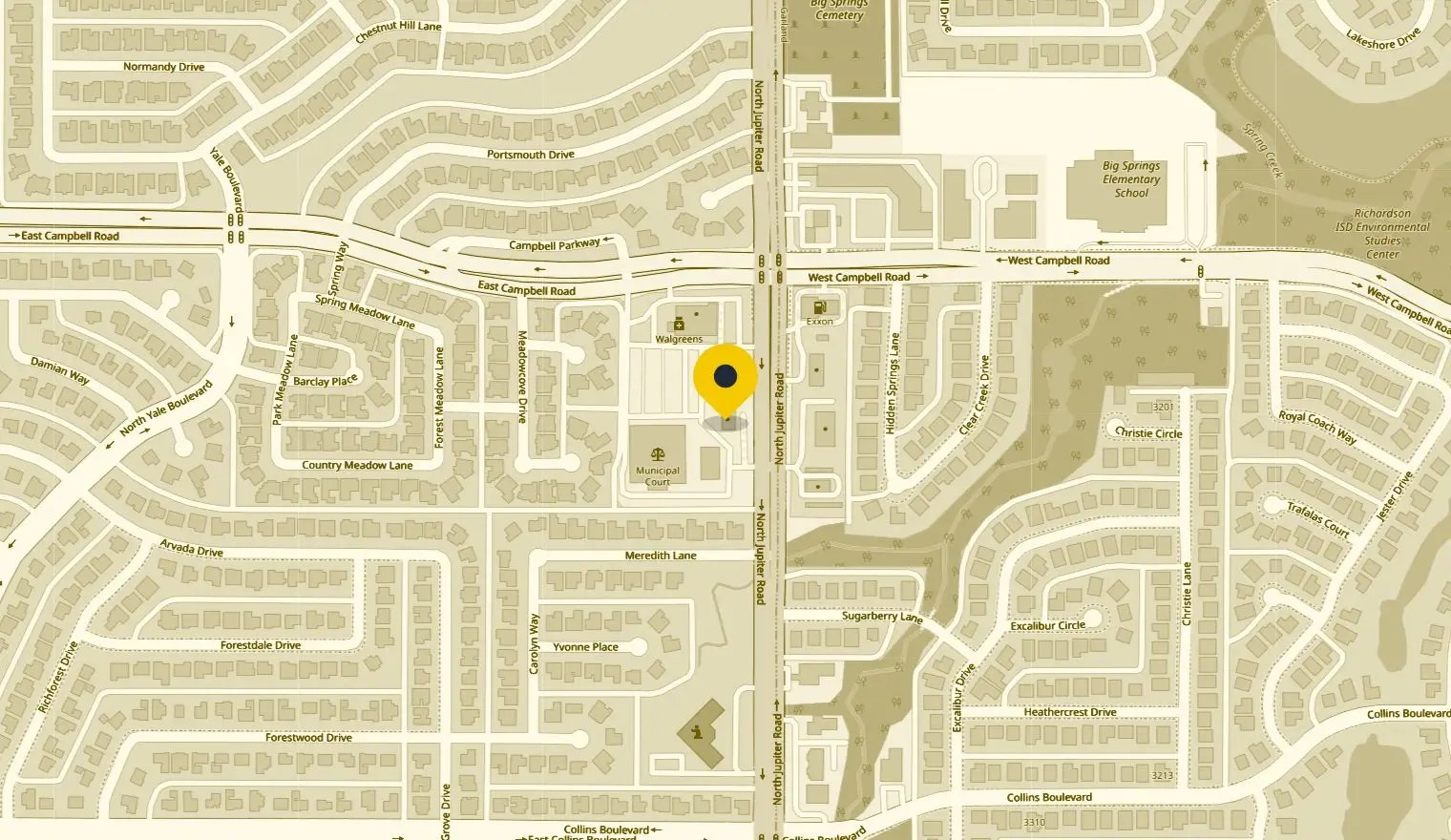
If you have an estimate and are unsure about the part choice, bring it by. We can review it with you, explain the options for your vehicle and put the details in writing. Our full list of repair services shows what we handle at the Richardson location, and military members and first responders can ask about our discounts. We are at kkrichardson.com, or you can call (972) 644-1851.
FAQ
Are aftermarket parts as good as OEM?
Sometimes, yes. Quality depends on the brand and the part, not the label. A reputable aftermarket part that fits properly and carries a clear warranty can perform well for many wear items. For safety systems and electronics, ask more questions before you decide.
Is OEM better for brakes?
Not necessarily. Quality aftermarket pads and rotors are common, and the right choice depends on your vehicle and driving. Brake hoses and brake fluid must meet federal standards, and parts should be matched and installed correctly. A technician’s inspection will tell you more than the label.
How can I tell whether a part is OEM or aftermarket?
Check the estimate and the repair order, which should list each part. Ask the shop for the brand and part type. OEM parts usually carry the vehicle manufacturer’s branding or part number, but some come from the supplier’s own packaging, so ask rather than guess.
Do aftermarket parts void my warranty?
Not by themselves. Under federal law, a dealer has to show that the aftermarket part caused the damage in order to deny a related claim. Keep your repair orders and maintenance records in case you need to show proof.
Why is OEM usually more expensive?
OEM parts are typically sold through a manufacturer’s network with fewer competing sources, while aftermarket parts compete across many brands. Prices vary by part, so compare the full cost of the repair, including labor and warranty.
Ready to talk through your repair?
If you would like help comparing part options, call Kwik Kar Oil Change & Auto Care in Richardson at (972) 644-1851 or schedule an appointment at a time that suits you.
Sources
- FTC: Auto Repair Basics
- FTC: Auto Warranties and Auto Service Contracts
- FTC: Warranties
- FTC: Tips on Making the Most of Your Auto Warranty
- NHTSA interpretation: aftermarket parts in repairs
- NHTSA interpretation: make inoperative and OEM parts
- NHTSA interpretation: air bags
- Texas DPS: Vehicle Safety Inspection Program Changes
- Texas DPS: Inspection Criteria for Emission Inspection
- Texas DPS: Cost of Inspection