You pull into the shop for a routine visit, and the technician says your brake pads are worn down. Then comes the follow-up question that stops a lot of drivers cold: “Do you want standard pads or ceramic brake pads?”
That’s a fair moment to pause.
Drivers don’t spend their weekends comparing brake materials, and they shouldn’t have to. You just want brakes that stop safely, last well, and don’t turn every repair into a bad financial surprise. If you drive around Richardson every day, shuttle kids across town in an SUV, or keep an older vehicle on the road as long as possible, the right pad choice affects more than today’s invoice. It affects noise, wheel dust, service frequency, and how often you’re back in the bay for another brake job.
Your Guide to Modern Brake Technology
A brake pad’s job sounds simple. Press the pedal, the car slows down.
But the material inside the pad changes how that happens, how long the pad lasts, and how the vehicle feels during daily driving. Most passenger vehicles use one of three general pad types:
- Organic pads are usually the softer, budget-minded option.
- Semi-metallic pads use more metal content and are common on many vehicles.
- Ceramic pads are the premium option many drivers hear about when it’s time for replacement.
That last option causes the most confusion. “Ceramic” can sound like fragile coffee mug material, which is not what anyone wants near a fast-moving SUV. In brake terms, ceramic refers to a heat-tolerant friction material designed for controlled, consistent braking.
What drivers usually want to know
The questions I hear most often are practical ones:
- Will ceramic brake pads stop better
- Will they last long enough to justify the higher upfront cost
- Are they a smart choice for city commuting
- Do they make sense on a family vehicle
- If I keep my car a long time, will they save me money overall
Practical rule: Don’t choose brake pads by sticker price alone. Choose them by how they fit your vehicle, your driving pattern, and how long you plan to keep the car.
That’s where total cost of ownership matters. A cheaper pad can still cost more over time if it wears out sooner, creates more repeat service, or doesn’t match how you drive.
What Exactly Is a Ceramic Brake Pad
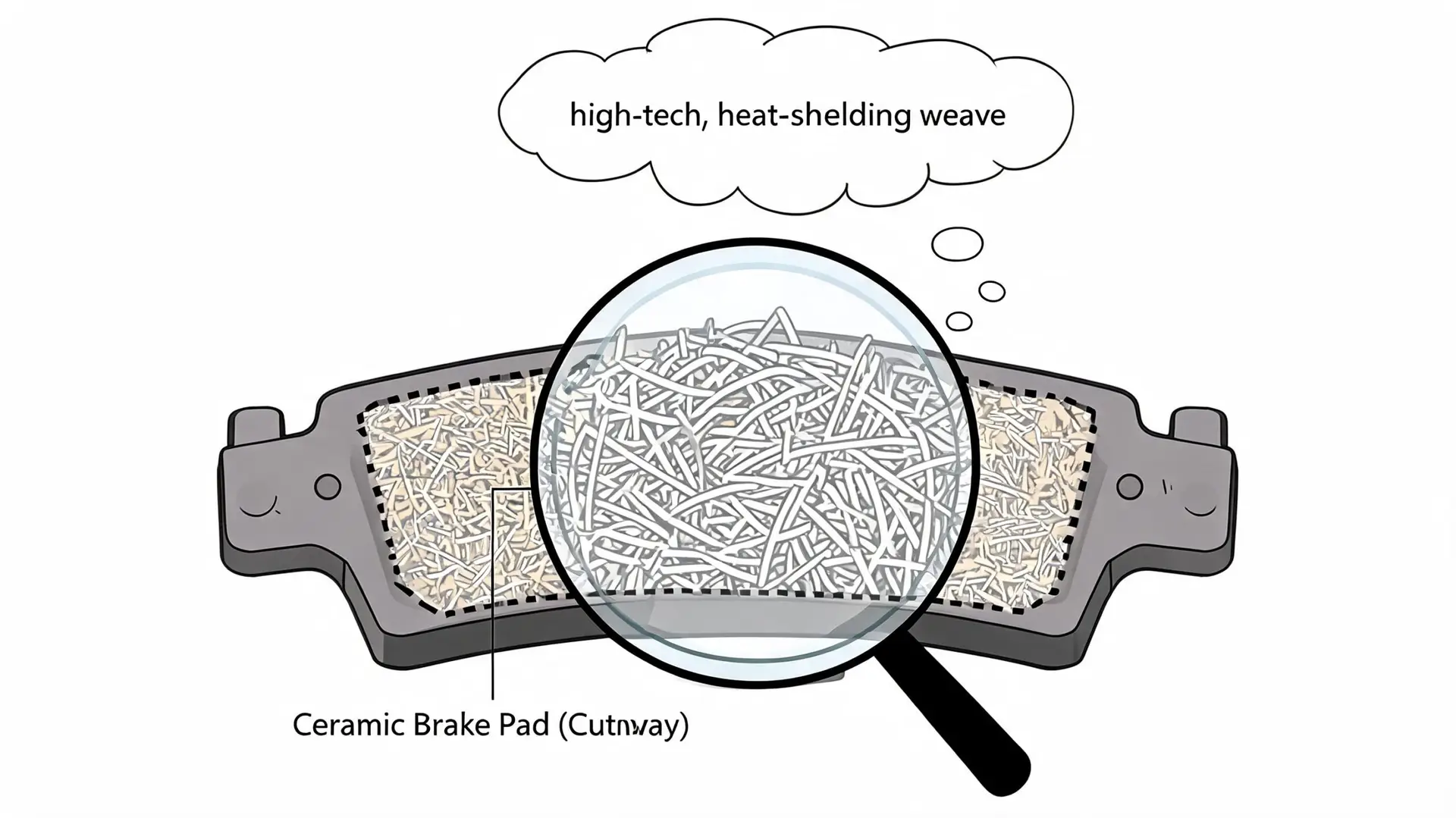
A ceramic brake pad is a brake pad made with ceramic-based friction materials instead of relying mainly on metal or softer organic compounds. The easiest way to think about it is this: it’s closer to high-heat engineered material than household ceramic.
Why the material matters
When you brake, the pad and rotor create friction. That friction creates heat. The pad material has to stay stable while doing that job over and over in traffic, on the highway, and during sudden stops.
Ceramic pads are built for that kind of heat management. A technical breakdown from Stanford Advanced Materials on ceramic brake pad operation explains that ceramic pads typically contain ceramic fibers, mineral fibers, aramid fibers, phenolic resin, and less than 10% metal content. That composition helps them hold a stable friction response across a wide temperature range.
That’s the technical side. In plain language, a ceramic brake pad is designed to stay composed when temperatures rise instead of getting unpredictable.
What makes ceramic pads feel different
Many drivers describe ceramic pads as smooth and refined in normal daily use. That comes from how the friction material behaves against the rotor.
At higher braking temperatures, ceramic pads form a hard transfer layer on the brake disc through a metal-ceramic sintering process, and that layer becomes the friction interface, according to the same Stanford Advanced Materials explanation of ceramic pad behavior. That’s different from the simpler “pad rubs directly on rotor” idea often pictured.
For a customer, the takeaway is straightforward:
- Stable heat behavior helps braking stay consistent
- Controlled friction contact can reduce harshness
- Modern composition supports long service life and low mess on the wheels
A quick visual can help make that easier to grasp.
Why more vehicles are using them
Ceramic isn’t some niche material anymore. The market has moved in that direction because drivers and manufacturers want a mix of performance, durability, and cleaner formulations.
The ceramic brake pad market report from Cognitive Market Research notes that the global ceramic brake pad market is expanding rapidly, North America is the largest market, and copper-free ceramic pads are the fastest-growing segment due to environmental concerns. That tells you this isn’t just a premium add-on for specialty cars. It’s part of a broader shift in everyday vehicle maintenance.
Ceramic pads make the most sense when a driver wants fewer compromises in daily use, not just a lower price at the counter.
Ceramic vs Semi-Metallic vs Organic Pads
Choosing brake pads gets easier when you compare them by what you’ll notice behind the wheel and in your service history.
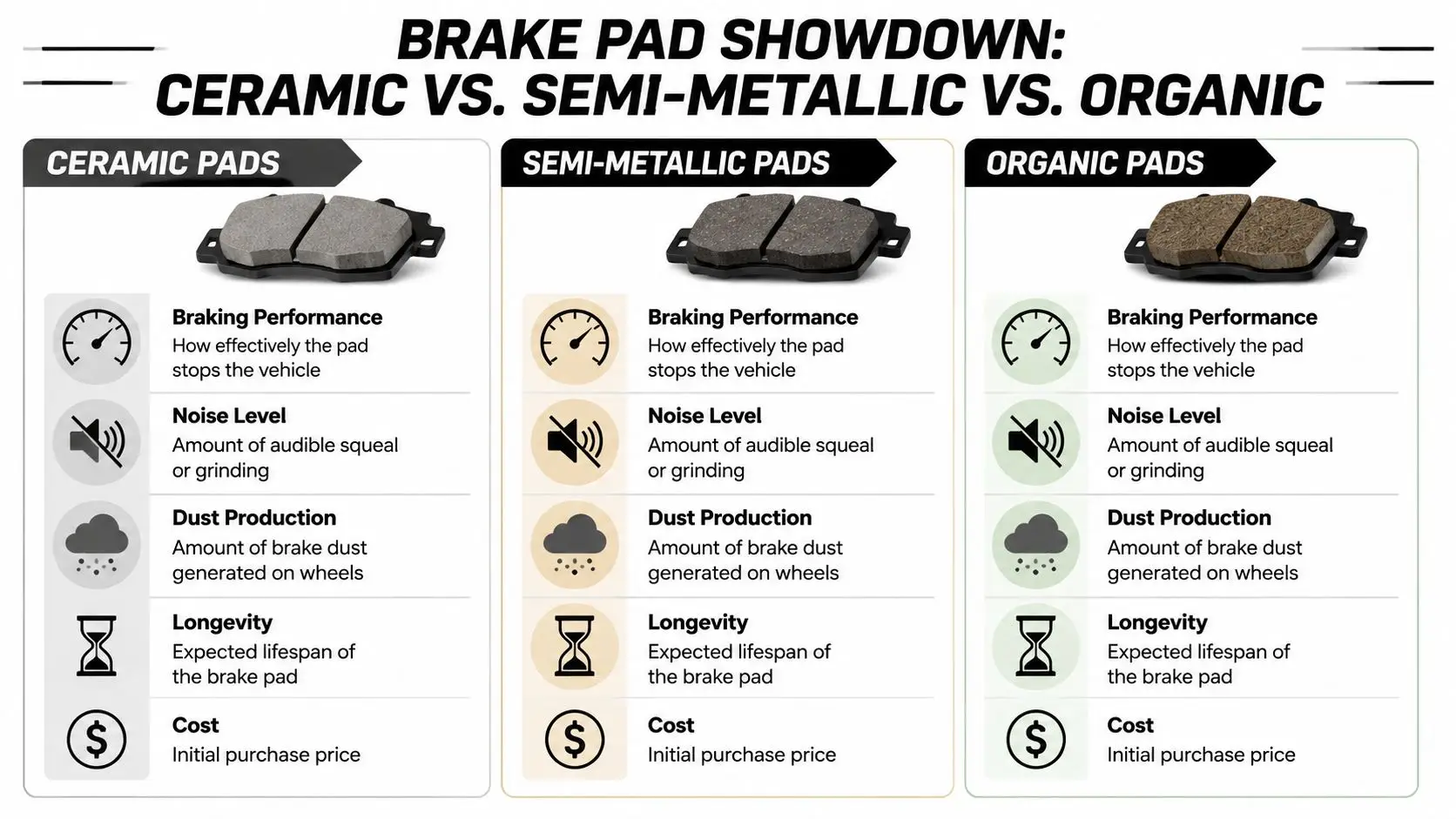
Brake Pad Comparison Ceramic vs Semi-Metallic vs Organic
| Feature | Ceramic | Semi-Metallic | Organic (NAO) |
|---|---|---|---|
| Stopping feel | Consistent and composed in daily driving | Strong, especially under heavier use | Adequate for normal driving, usually softer feel |
| Noise level | Usually quieter | Often more noticeable | Often quiet at first, can vary with wear |
| Dust production | Typically lower and finer | Usually higher | Varies |
| Lifespan | Up to 70,000 miles for typical passenger vehicles | 30,000 to 60,000 miles | Around 20,000 miles |
| Upfront cost | Usually higher | Mid-range | Usually lower |
The lifespan ranges above come from 2025 ceramic vs semi-metallic brake pad durability data.
If you want a broader overview of brake friction materials, this guide on brake pads and shoes is a helpful companion.
Stopping power
Often, people assume “more metal means always better.” Real life is more nuanced.
Semi-metallic pads are often chosen for demanding use because metal content can handle heavy braking loads well. Ceramic pads, though, are built for stable friction through heat cycles, which matters a lot for normal passenger driving. The issue isn’t just peak bite. It’s whether the pad feels predictable after repeated stops.
According to Stanford Advanced Materials on ceramic pad heat behavior, ceramic pads form a hard, wear-resistant transfer film on the disc at high temperatures, while semi-metallic pads can experience surface melting that reduces braking effectiveness during sustained use.
Noise level
Noise is one of the first reasons drivers ask about ceramic brake pads.
Organic pads can start out quiet, but they don’t always hold that character as long. Semi-metallic pads are more likely to create audible brake noise because of their more abrasive interaction with the rotor. Ceramic pads are commonly chosen by drivers who want a calmer, less squealy daily experience.
That matters most in city driving, school drop-off lines, parking garages, and stop-and-go traffic where light braking happens constantly.
If a customer tells me, “I’m tired of hearing my brakes every time I stop,” ceramic usually enters the conversation quickly.
Brake dust
Brake dust doesn’t change stopping distance, but it does change ownership experience.
A lot of drivers hate cleaning dark residue off alloy wheels. Ceramic pads are often preferred because the dust tends to be lower and less noticeable. Semi-metallic pads usually leave more visible buildup. Organic pads vary depending on the formulation and driving style.
This isn’t just cosmetic. Lower dust usually means the brakes feel cleaner in everyday use, especially on vehicles with open-spoke wheels.
Lifespan
This is the category that drives the cost conversation.
For typical passenger vehicles, ceramic brake pads often reach up to 70,000 miles, while organic pads average 20,000 miles and semi-metallic pads generally range from 30,000 to 60,000 miles, based on the Frenobrake longevity comparison.
That doesn’t mean every ceramic pad will outlast every semi-metallic pad in every car. Driving habits, rotor condition, traffic, load, and installation quality still matter. But the pattern is clear. Ceramic pads are built for longer service life.
Upfront cost
Ceramic pads usually cost more to buy. That’s the part everyone sees first.
The problem is that a parts invoice only shows purchase price, not ownership cost. If one driver keeps a vehicle for years and racks up miles quickly, the pad that lasts longer may reduce how often that vehicle needs brake service. If another driver puts very few miles on the car, the payback may be slower.
That’s why the right answer isn’t “ceramic is always worth it” or “cheaper is always smarter.” The right answer depends on who’s driving.
Are Ceramic Brake Pads the Right Choice for You
The smartest brake decision usually comes from matching the pad to the driver, not chasing the cheapest line on the estimate.
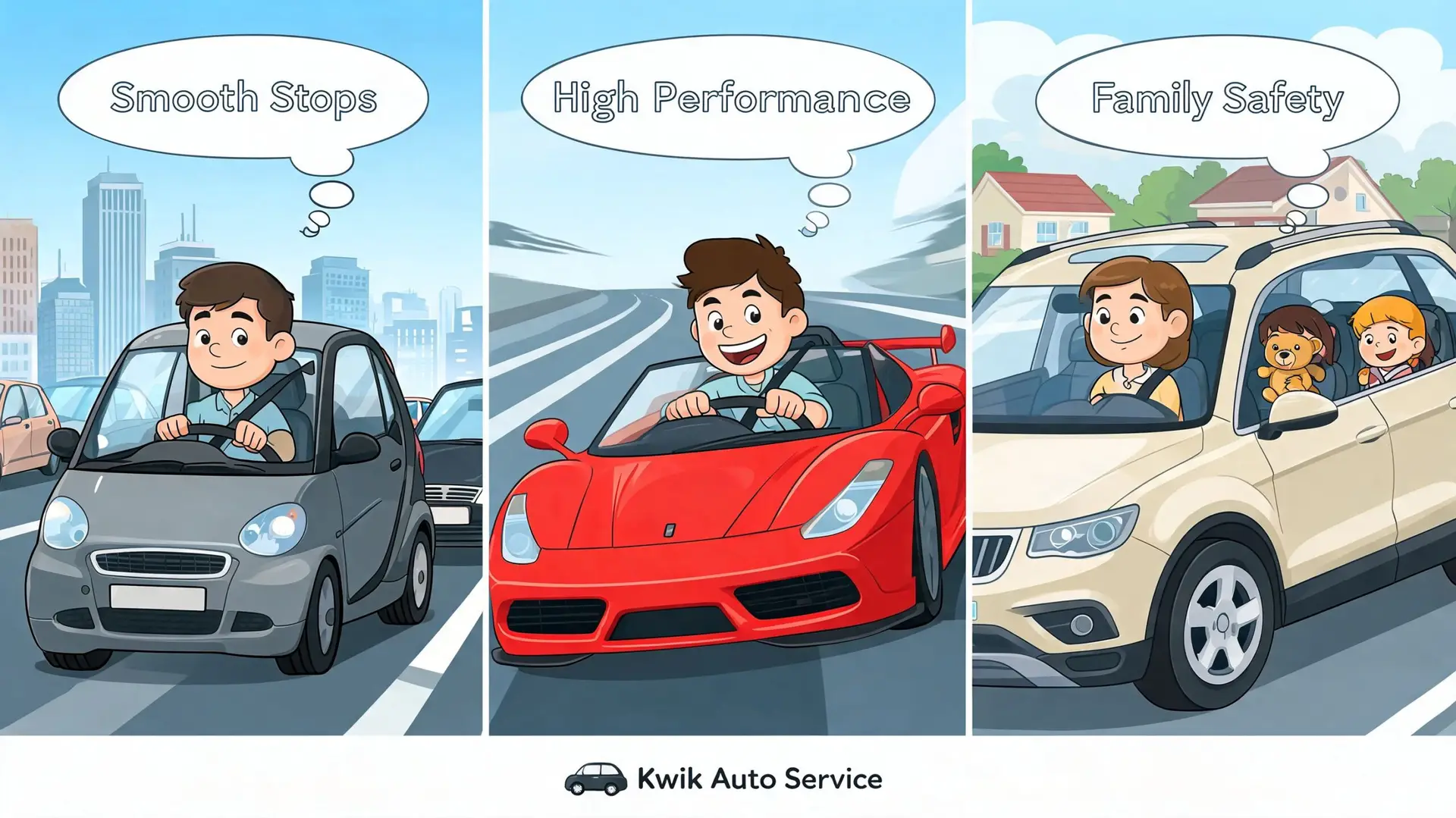
The daily commuter
This driver spends a lot of time in Richardson traffic, stops at plenty of lights, and wants the car to feel smooth and quiet on the way to work.
For that profile, ceramic brake pads often make a strong ownership case. The Frenobrake durability comparison reports that ceramic pads showed 23% longer lifespan than semi-metallic alternatives in stop-and-go urban traffic. That’s one of the few situations where these figures line up directly with how local commuters drive.
A commuter’s ROI calculation is less about racing-style stopping and more about three things:
- Fewer replacement intervals
- Less time spent scheduling brake work
- A quieter, cleaner daily driving experience
If you’re in the car every weekday and you plan to keep it, ceramic usually earns a closer look.
The family SUV driver
A family SUV adds weight, passengers, cargo, and frequent short trips. That changes what “value” means.
This driver often cares less about wheel dust and more about confidence. You want smooth, repeatable braking on school runs, grocery trips, and weekend highway driving. You also don’t want the vehicle in the shop more often than necessary.
For a family SUV, ceramic can make sense when the owner keeps up with rotor condition and installs a pad designed for that specific vehicle. The ownership value comes from longer service intervals and stable behavior under repeated daily braking, not from chasing the lowest invoice today.
Shop-floor advice: On family vehicles, I tell customers to think in terms of interruptions. A longer-lasting pad can mean fewer times rearranging your week for brake service.
The high-mileage owner
Here, ceramic brake pad ROI becomes easiest to understand.
If you drive enough to wear through pads regularly, then service frequency becomes a real cost. The same Frenobrake comparison says ceramic pads often reach up to 70,000 miles on typical passenger vehicles, compared with 30,000 to 60,000 miles for semi-metallic and 20,000 miles for organic pads.
A simple ownership calculation looks like this:
- Estimate your annual mileage.
- Think about how long you’ll keep the vehicle.
- Compare likely replacement frequency, not just the first repair bill.
If you drive a lot, the longer-lasting option may mean fewer brake jobs over the period you own the vehicle. That can reduce repeat labor, scheduling headaches, and downtime, even if the first ticket is higher.
When ceramic may not be the automatic answer
There are cases where ceramic isn’t the clear winner.
- Short-term ownership: If you’re selling the car soon, the long-life payoff may matter less.
- Very light annual driving: A low-mileage car may age out other components before pad wear becomes the deciding factor.
- Vehicle-specific needs: Some applications respond better to a different pad type depending on load, towing, or design.
That’s why a real recommendation should start with the vehicle and driver profile, not a blanket rule.
Ceramic Brake Pad Maintenance and Lifespan
A longer-lasting pad still needs proper installation and follow-up. Ceramic doesn’t mean maintenance-free.
Bedding-in matters
Fresh brake pads need a proper break-in process, often called bedding-in. This helps the pad and rotor develop a stable contact surface.
If bedding is skipped or rushed, even a quality ceramic brake pad can feel uneven, noisy, or underwhelming. Drivers sometimes blame the pad material when the setup process is to blame.
What affects service life
Ceramic pads can last a long time, but they don’t live in a lab. Real service life depends on how the vehicle is used.
Key factors include:
- Driving pattern: Stop-and-go traffic wears brakes differently than mostly highway driving.
- Vehicle weight: A heavier SUV asks more from the brake system than a small sedan.
- Rotor condition: Worn or damaged rotors can shorten pad life and reduce braking quality.
- Driving style: Hard, late braking builds more heat and wear.
If you’re wondering when your current pads are due, this article on when to replace brake pads covers warning signs that drivers often miss.
Protecting the investment
Brake pads are only one part of the system. The rotors, calipers, hardware, and fluid all affect how the brakes perform.
A good maintenance approach usually includes:
- Rotor inspection: Make sure the pad has a healthy surface to work against.
- Hardware check: Clips and contact points need to be clean and correctly installed.
- Brake fluid review: Old or contaminated fluid can affect pedal feel and braking response.
- Regular inspections: Don’t wait for grinding or severe vibration before checking the system.
New brake pads can’t fix worn rotors, sticky calipers, or neglected brake fluid. The whole system has to work together.
For many drivers, a ceramic brake pad is a way to stretch replacement intervals. To get that value, the installation has to be done carefully and the rest of the brake system can’t be ignored.
Get Expert Brake Service at Kwik Kar Richardson
Ceramic brake pads make the most sense for drivers who want quiet operation, lower visible dust, and longer service life. They’re especially appealing for commuters, family vehicles, and owners who keep their cars long enough to benefit from fewer replacement cycles.
The bigger lesson is that brake value isn’t just the number on the estimate. It’s the combination of safety, repeat service intervals, day-to-day refinement, and whether the pad matches how you drive. That’s why a real brake recommendation should include pad material, rotor condition, and overall system health.
If you’re comparing options, a complete brake inspection is the right first step. That gives you a clearer answer than guessing based on price alone. For drivers looking into brakes and rotors service near Richardson, it’s worth asking for an inspection that looks at pad wear, rotor surface, brake hardware, and fluid condition together.
Kwik Kar Oil Change and Auto Care in Richardson performs brake pad replacement, rotor service, and brake fluid service with ASE-certified technicians. The shop also offers discounts for military personnel, first responders, and healthcare providers.
If your brakes are making noise, your stopping feel has changed, or you’re trying to decide whether a ceramic brake pad upgrade is worth it for your vehicle, schedule a visit with Kwik Kar Oil Change and Auto Care. A clear inspection and a vehicle-specific recommendation can help you choose the brake setup that fits your safety needs and your long-term ownership costs.