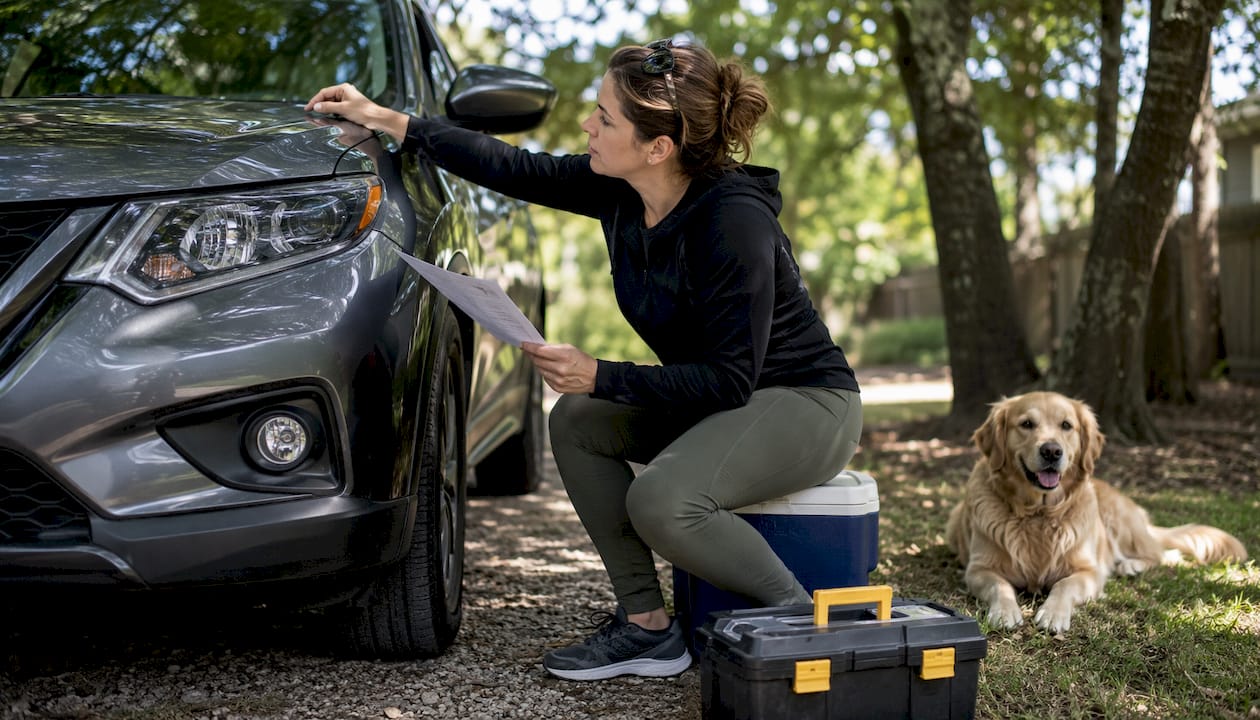
A PCS move vehicle inspection checklist is the precise set of requirements military personnel must satisfy before their privately owned vehicle qualifies for government-funded shipment at a Vehicle Processing Center. The process involves official documentation, strict vehicle eligibility standards, and a joint inspection recorded on DD Form 788. Miss one step and the VPC can refuse your vehicle outright. This guide walks you through every stage of the PCS vehicle inspection process, from paperwork to post-delivery claims, so your move goes forward without costly surprises.
What are the essential vehicle and document requirements for a PCS vehicle inspection?
Preparation before you pull into the VPC lot determines whether your vehicle ships on schedule or gets turned away. The military’s 2026 rules are specific, and the VPC inspector will not make exceptions on the day of drop-off.
Required documents to bring:
- Current military orders
- Military ID (CAC card)
- Proof of ownership (title or registration)
- Power of Attorney if someone else is dropping off the vehicle
- Valid vehicle insurance card
Vehicle eligibility criteria:
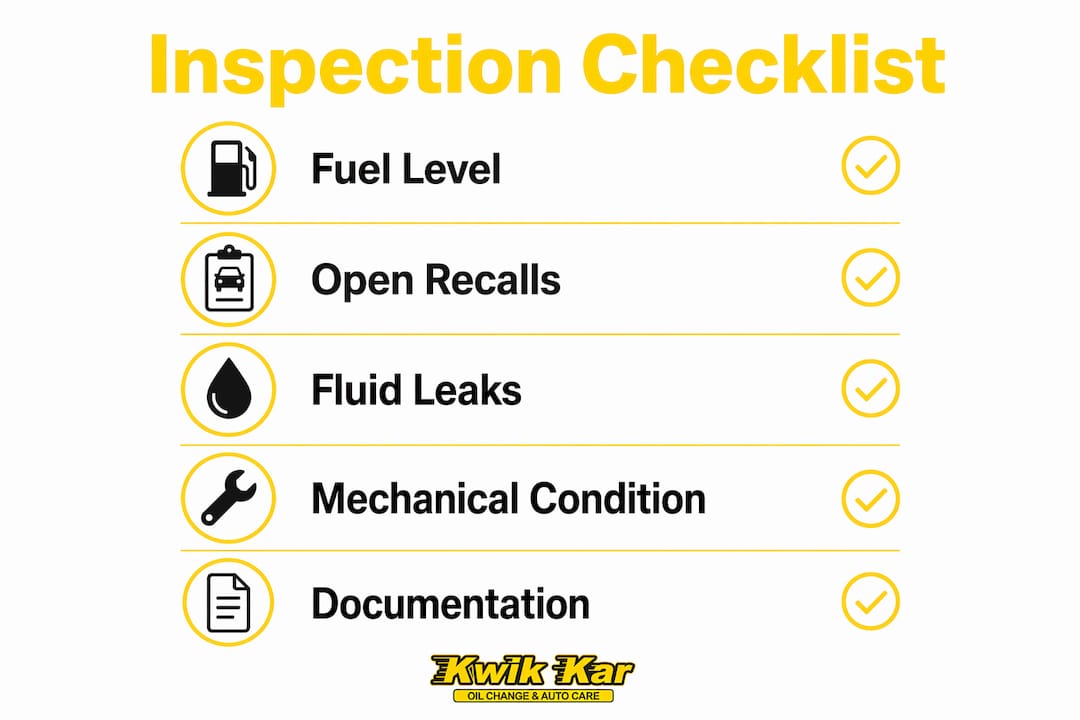
Vehicles with open recalls, fluid leaks, or excessive modifications are ineligible for government-funded shipment. That means a leaking radiator or an aftermarket lift kit that pushes the vehicle beyond standard height limits will get you rejected at the gate. Check the National Highway Traffic Safety Administration (NHTSA) recall database before your appointment and resolve any open recalls in writing.
The fuel level requirement is one of the most commonly overlooked rules. Your tank must sit at or below 1/4 capacity at drop-off. This is a strict safety standard for vehicle transport, not a suggestion. Arriving with a half-full tank means the VPC turns you away on the spot.
| Requirement | Standard |
|---|---|
| Fuel level | 1/4 tank or less |
| Open recalls | Zero permitted |
| Fluid leaks | None allowed |
| Vehicle dimensions | Must meet standard shipping limits |
| Modifications | No heavy or oversized mods |
Resolve recalls and mechanical issues at least two weeks before your scheduled drop-off. That buffer gives you time to get a repair appointment, receive documentation, and avoid last-minute scrambles.
How to clean and prepare your vehicle interior and exterior for the VPC inspection
A dirty vehicle is a rejected vehicle. The VPC applies a USDA wash standard that requires the removal of all dirt, mud, organic matter, and debris from every surface. The reason is practical: inspectors cannot accurately document paint chips and scratches through a layer of road grime, and dirt can obscure paint damage and cause inspection rejection or liability waivers.
Follow these steps to meet the standard:
- Wash the exterior thoroughly. A professional hand wash works better than an automated tunnel wash because it reaches wheel wells, door jambs, and the undercarriage. Pay special attention to the engine bay and ventilation intake areas, which collect debris that inspectors check.
- Clean the wheel wells completely. Mud packed into wheel wells is a common rejection trigger. Use a pressure washer or a stiff brush to clear every crevice.
- Vacuum the interior. Remove floor mats, shake them out, and vacuum underneath. Check under seats and in the trunk. Inspectors look for excessive dirt that could indicate hidden damage or create liability questions.
- Wipe down all interior surfaces. Dashboard, door panels, and cargo areas should be free of loose items and debris.
- Remove all personal belongings. The government is not responsible for any personal items left in the vehicle. Empty the glove box, center console, and trunk completely.
Pro Tip: Some VPCs conduct a pre-wash inspection before you even reach the main inspection bay. If your vehicle fails that check, you will be sent to an on-site or nearby car wash. Identify a quality car wash within a mile of your VPC before your appointment date so you are not caught off guard.
What happens during the joint vehicle inspection at the Vehicle Processing Center?
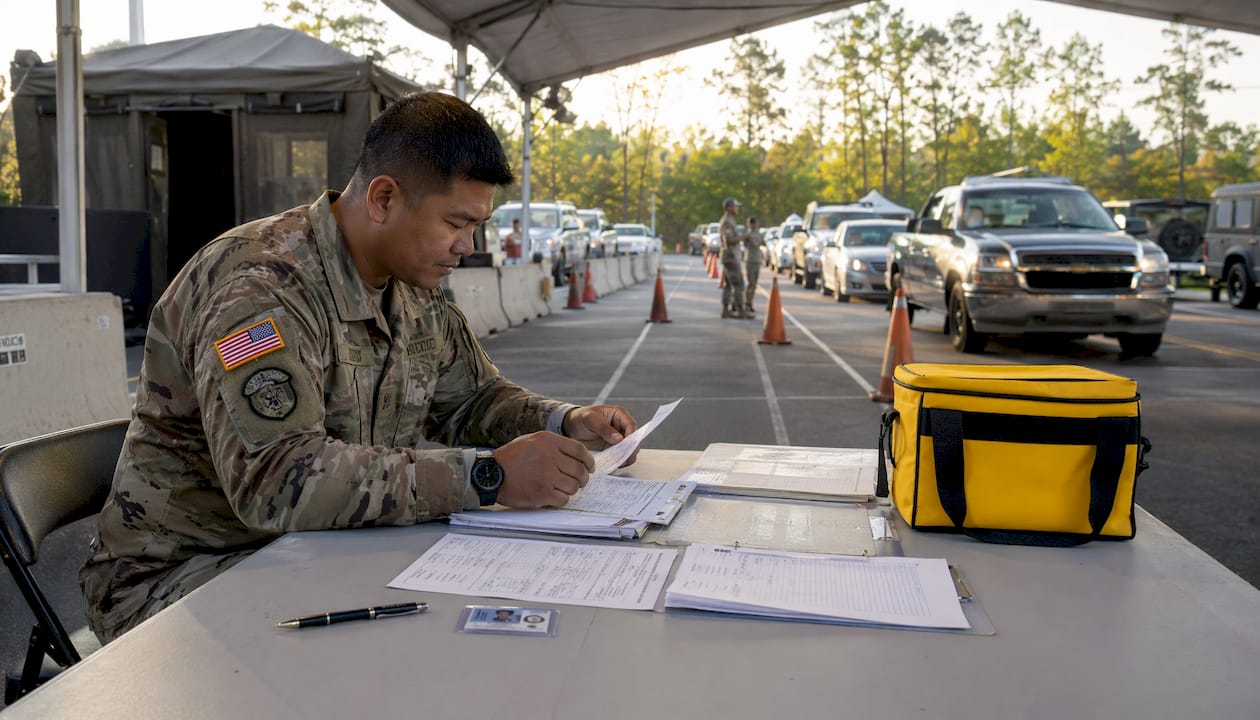
The joint inspection is the most legally significant moment in the entire PCS vehicle shipment process. You and the VPC inspector walk around the vehicle together and document every existing imperfection before the government takes custody.
Here is what to expect:
- Walk-around inspection. The inspector examines every panel, the roof, bumpers, glass, and tires. You walk alongside and confirm or dispute each notation.
- Damage notation using standardized codes. DD Form 788 uses two-letter codes to categorize damage types. “DE” marks a dent, “SC” marks a scratch. Every imperfection gets a code and a location on the schematic diagram.
- Schematic diagram completion. The form includes a vehicle outline where the inspector marks damage locations. Anything not marked is legally assumed to be damage that occurred during transport.
- Your signature. You sign the completed form to confirm the documented condition. Read every notation before you sign.
“Treat the inspection form as your golden ticket. The DD Form 788 is the single most important proof document in any damage claim. Save digital copies immediately after drop-off and store them in at least two locations.”
Inspectors sometimes rush the process, especially during peak PCS season. You have the right to slow down and insist that every scratch, chip, and ding gets recorded on the schematic. A missed notation means you cannot claim that damage later. Take your time. This is not the moment to be agreeable at the cost of your claim rights.
Request a digital copy of the completed inspection report before you leave the VPC lot. Most centers provide one via email or a printed receipt. Store it in cloud storage and email it to yourself as a backup.
How to secure your vehicle during transit and what to do if damage occurs
Your responsibility does not end when you hand over the keys. The steps you take before drop-off and immediately after delivery protect your financial interests if the vehicle arrives damaged.
Before drop-off:
- Take time-stamped, high-resolution photos and videos of every angle, including the roof, bumpers, and underside. These create an independent record that supports your claim beyond the official form.
- Remove any aftermarket accessories that could be damaged or stolen in transit.
- Disable any toll transponders to prevent unauthorized charges during transport.
- Confirm your drop-off receipt and expected delivery window in writing.
After delivery:
- Conduct a thorough inspection at pick-up before signing any release paperwork.
- Document any new damage with photos immediately on-site.
- Hidden damage claims must be filed within 48 hours of the delivery inspection. Missing that window forfeits your right to claim that damage under government liability coverage.
- File claims through the Military Claims portal and attach your DD Form 788, photos, and any repair estimates.
Pro Tip: Government liability coverage has limits and exclusions. Consider a supplemental private auto insurance policy that covers transport damage to fill any gaps. Contact your insurer before drop-off to confirm your current policy’s transit provisions.
Common PCS vehicle inspection mistakes and how to avoid them
The most expensive mistakes in the PCS vehicle inspection process are entirely preventable. Most service members who face claim denials or shipment refusals made one of a handful of predictable errors.
Mistakes that cause rejection or claim denial:
- Arriving with too much fuel. Exceeding the 1/4 tank limit results in immediate vehicle rejection. There is no grace period.
- Submitting a dirty vehicle. Grime that hides scratches creates disputes about when damage occurred. A clean vehicle protects you as much as it satisfies the inspector.
- Ignoring open recalls. Vehicles with unresolved recalls are ineligible for shipment. Discovering an open recall the morning of drop-off is a crisis that weeks of preparation would have prevented.
- Signing paperwork without a full review. Service members who rush through the DD Form 788 signature often miss undocumented damage. That omission becomes their financial liability.
- Failing to photograph the vehicle independently. The official form is necessary but not sufficient. Your own time-stamped photos provide a second layer of protection.
Pro Tip: Military OneSource offers a Plan My Move tool that lets you build a personalized relocation checklist, including vehicle shipment steps tailored to your orders. Use it alongside this guide to catch requirements specific to your destination installation.
Understanding why inspection failures happen gives you a significant advantage. Most failures trace back to deferred maintenance, not catastrophic mechanical problems. A brake light out or a cracked windshield can complicate your inspection just as much as a fluid leak.
Key Takeaways
A thorough PCS vehicle inspection requires clean documentation, a mechanically sound vehicle, and a detailed joint walk-around recorded on DD Form 788 before the government takes custody.
| Point | Details |
|---|---|
| Fuel level is non-negotiable | Your tank must be at or below 1/4 capacity at drop-off or the VPC will refuse the vehicle. |
| DD Form 788 is your legal protection | Every dent and scratch must be coded and marked on the schematic before you sign. |
| Clean vehicle, clean record | Dirt obscures damage and can void your claim rights; meet the USDA wash standard every time. |
| 48-hour hidden damage window | File hidden damage claims within 48 hours of delivery or lose the right to claim that damage. |
| Recalls and leaks disqualify vehicles | Resolve open recalls and fluid leaks before your appointment, not the morning of drop-off. |
What I’ve learned from watching military families navigate PCS vehicle inspections
Working with service members through the vehicle preparation process has taught me one consistent truth: the families who sail through VPC drop-off are the ones who treated the inspection like a legal proceeding, not a formality. They arrived with clean vehicles, organized paperwork, and a willingness to slow the inspector down when something was missed.
The detail that surprises most people is the DD Form 788 schematic. Starting the scheduling process early and maintaining contact with your local Transportation Management Office gives you time to understand that form before you are standing in a VPC lot under pressure. Rushing that signature is the single most common mistake we see translate into denied claims months later.
My honest recommendation is to treat your vehicle like evidence before drop-off. Photograph everything, fix everything fixable, and document what you cannot fix. The vehicle inspection checklist is not bureaucratic busywork. It is the paper trail that protects your property and your wallet when something goes wrong in transit.
Military families deserve a move that does not come with financial surprises on the back end. Preparation is the only thing that guarantees that outcome. Contact your Transportation Management Office at least 60 days before your report date and get your vehicle into a trusted shop well before your drop-off appointment.
— Kwik Kar
Kwik Kar Oil Change & Auto Care: your PCS vehicle prep partner in Richardson, TX
Military families preparing for a PCS move trust Kwik Kar Oil Change & Auto Care to get their vehicles inspection-ready before drop-off. Our ASE-certified technicians, recognized by both CARFAX and RepairPal, handle the full range of pre-move services: oil changes and fluid checks, battery testing and replacement, brake inspection and repair, and engine diagnostics to catch open issues before the VPC does. We offer military and first responder discounts because we understand what is at stake when your timeline is set by orders. Schedule your appointment early. PCS season fills fast, and a vehicle that is not ready on drop-off day is a problem no one can afford.
FAQ
What documents do I need for a PCS vehicle inspection?
Bring your military orders, CAC card, proof of ownership (title or registration), and a Power of Attorney if someone else is dropping off the vehicle. Missing any of these documents will delay or prevent your vehicle from being accepted at the VPC.
How much fuel can my vehicle have at VPC drop-off?
Your fuel tank must be at or below 1/4 capacity at drop-off. Exceeding this limit is a strict safety requirement, and the VPC will refuse your vehicle on the spot.
What is DD Form 788 and why does it matter?
DD Form 788 is the official vehicle inspection form that records every dent, scratch, and imperfection using standardized two-letter damage codes. It is the legal document that protects your damage claim rights, so review every notation carefully before signing.
How long do I have to report hidden damage after delivery?
Hidden damage claims must be initiated within 48 hours of the delivery inspection. Missing that window forfeits your right to file a claim under government liability coverage.
Can I ship a vehicle with an open recall?
No. Vehicles with open recalls are ineligible for government-funded shipment. Resolve all recalls through an authorized dealer and obtain written documentation before your VPC appointment.